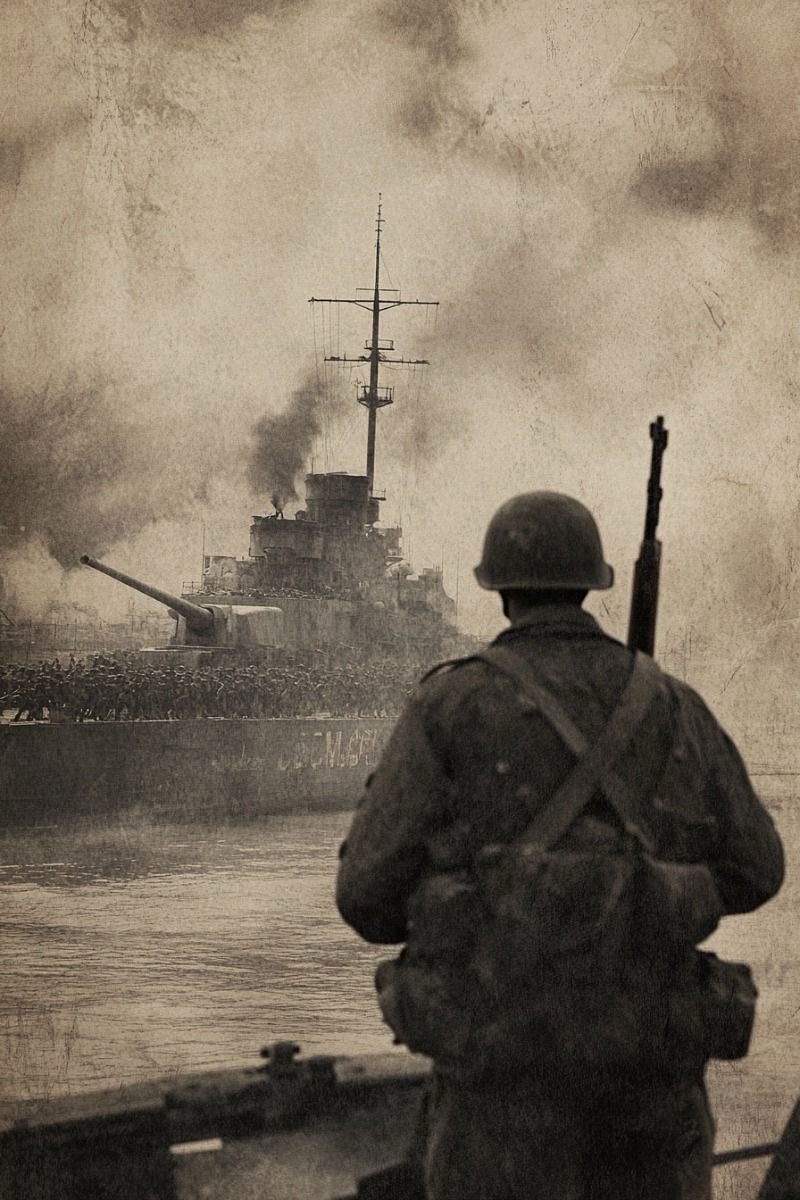
“Army Dreamers” by Kate Bush is a haunting and emotional song about the tragic loss of young lives to war. The lyrics explore the sorrow of a mother who has lost her son in military service, and the deep grief and questioning that follows. Here’s a breakdown of the key themes and meanings behind the song:
1. A Mother’s Grief and Regret
The central voice in the song is that of a mother, mourning her son who died in military service. She reflects on the small, everyday things she did for him—feeding him, raising him—and now she’s left with an unfillable absence.
“What could he do? Should have been a rock star…”
She wonders what else he could have become if he hadn’t joined the army. There’s deep sadness in the idea that he had potential for so many other paths—but now they’re all gone.
2. The Futility of War
The song doesn’t glorify heroism. Instead, it questions the cost of war, especially for the young and vulnerable who may have joined for lack of better options.
“Tears o’er a tin box / Oh, Jesus Christ, he wasn’t to know…”
The image of a tin box (possibly containing his medals or ashes) emphasizes how little is left after a life is lost. The line “he wasn’t to know” suggests innocence—he didn’t know what he was really getting into.
3. Societal Expectations and Pressure
The title “Army Dreamers” itself is a bit ironic. It refers to young men who dream of purpose, escape, or pride by joining the military—but also points to how society may nudge them in that direction, especially when other dreams feel out of reach.
Bush is gently critiquing a world where young people are sometimes given no better choice—and where their dreams are swallowed by systems they don’t fully understand.
4. The Lingering Question: Why?
Throughout the song, there’s a persistent sense of what if—what if he’d chosen a different path? What if the world had offered him more? The mother’s grief is tangled with helplessness and guilt, even though she did everything she could.
The Tone: Lullaby Meets Lament
Musically, the song sounds gentle, almost like a lullaby—which makes the lyrics all the more haunting. It reflects how war quietly takes from us—not always with dramatic noise, but sometimes with soft, quiet, irreversible loss.
 The Wild Gems