Soften The Heart: Devotional #27

“Therefore I tell you, whatever you ask in prayer, believe that you have received it, and it will be yours”

Mark 11:24

This verse holds a profound message about the power of faith and the unseen forces at work in our lives. It isn’t just about asking for something and expecting it to appear—it’s about aligning our hearts, minds, and actions with the belief that what we seek is already on its way.

When we pray, we are not simply making requests; we are entering into a relationship of trust with God. True faith means believing before seeing—knowing deep within that our prayers are heard and that the answers will come in the right way and at the right time. This belief shifts our mindset from doubt to expectation, from fear to confidence.

But this verse also challenges us: Do we truly believe? Often, we pray while holding onto doubt, questioning whether what we desire is possible. Yet, Jesus calls us to let go of that uncertainty and trust fully. When we pray with unwavering faith, we begin to act and live as if the answer is already unfolding. This shift in perspective opens doors, changes our energy, and aligns us with divine timing.

Faith-filled prayer isn’t just about receiving—it’s about transformation. It teaches patience, deepens our trust, and reminds us that even in the waiting, God is at work. So as you bring your hopes and dreams before God, pray boldly, believe fully, and trust completely.

Your blessing may already be on its way.

Feng Shui Tips For Your Purse To Attract Positive Energy And Abundance

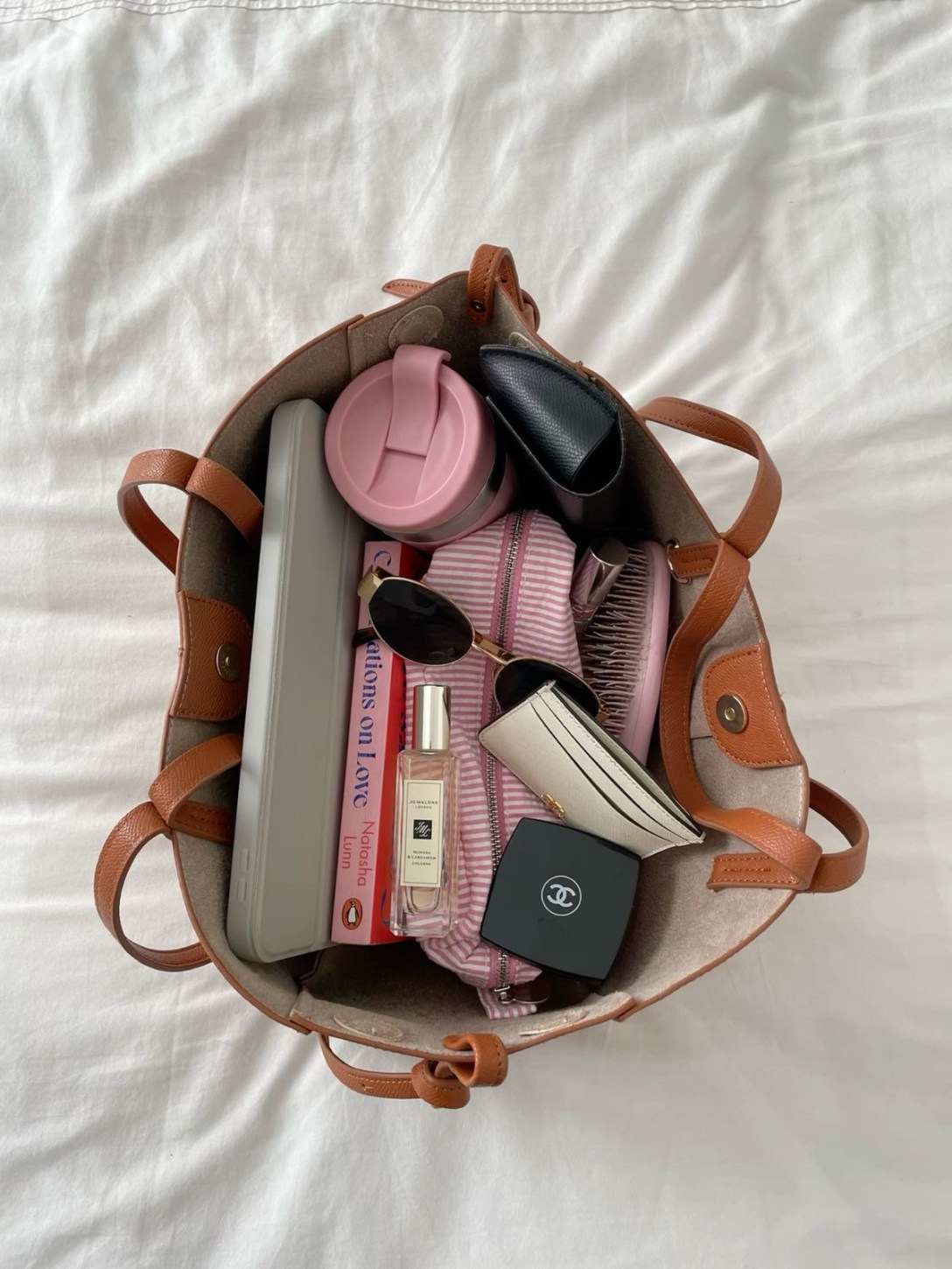
Your purse is more than just a place to carry your essentials—it’s a symbol of your wealth, energy, and personal flow.

In Feng Shui, the way you organize and care for your purse can influence your financial abundance, opportunities, and overall sense of harmony.

By treating your bag with intention, you invite prosperity and positive energy into your life. Ready to align your purse with good fortune? Here are some simple yet powerful Feng Shui tips to keep your bag (and your energy) in balance!


1. Choose the Right Purse

• Opt for a purse in colors associated with prosperity, such as red, gold, green, or purple. Black is also considered a powerful color for attracting wealth.

• Avoid worn-out or damaged purses, as they symbolize financial instability.

2. Organize Your Purse

• Keep your purse clean and clutter-free. Chaos inside your purse can block energy flow and symbolize financial disorganization.

• Only carry what you need to avoid unnecessary weight, as a heavy purse can symbolize being burdened by financial stress.

3. Use a Wallet for Money

• Invest in a high-quality wallet that reflects your respect for money.

• Keep cash flat and organized by denomination, as it symbolizes order and attracting more wealth.

4. Include Wealth-Attracting Items

• Place a small piece of citrine, jade, or pyrite (known as “fool’s gold”) in your purse to symbolize abundance.

• Carry a red envelope (hongbao), which is a traditional Chinese symbol for good fortune. You can put a small amount of money in it for prosperity.

5. Keep Important Items Only

• Avoid carrying old receipts, expired cards, or unnecessary items that may symbolize financial “baggage.”

• Only include things that spark joy or serve a purpose.

6. Treat Your Purse with Care

• Store your purse in a clean, elevated space when not in use. Never leave it on the floor, as this symbolizes disrespect for money.

7. Affirm Abundance

• When placing money into your purse, consciously express gratitude and visualize more abundance flowing into your life.

*COLORS* And Their ENERGIES

Here’s a list of colors and the energies often associated with them, drawing from psychology, spirituality, and cultural symbolism:

Warm Colors

1. Red – Passion, energy, courage, strength, love, and determination. Can also symbolize anger or intensity.

2. Orange – Creativity, enthusiasm, joy, adventure, and vitality. It’s energizing and inspires social connections.

3. Yellow – Optimism, clarity, intellect, confidence, and warmth. It’s linked to happiness but can also represent caution.

4. Gold – Abundance, success, power, enlightenment, and spiritual wisdom.

Cool Colors

5. Green – Growth, balance, renewal, harmony, and health. It’s connected to nature and abundance but also envy.

6. Blue – Calmness, communication, trust, serenity, and loyalty. It represents introspection and emotional depth.

7. Turquoise – Healing, clarity, refreshment, and spiritual attunement. It’s linked to creativity and protection.

8. Purple – Intuition, spirituality, royalty, mystery, and ambition. It connects to higher wisdom and imagination.

9. Indigo – Perception, introspection, truth, and integrity. It’s associated with deep contemplation and the third eye.

Neutral and Earthy Tones

10. White – Purity, peace, clarity, simplicity, and new beginnings. It can also signify spiritual enlightenment.

11. Black – Protection, mystery, power, and sophistication. It represents the unknown and transformation.

12. Gray – Neutrality, balance, wisdom, and maturity. It can evoke calm or detachment.

13. Brown – Stability, reliability, grounding, and connection to the Earth. It signifies warmth and wholesomeness.

14. Beige – Practicality, simplicity, calm, and understated elegance.

Vivid and Ethereal Tones

15. Pink – Love, compassion, nurturing, playfulness, and romance. It’s soothing and tied to gentle emotions.

16. Magenta – Transformation, self-respect, emotional healing, and spirituality. It’s a blend of red’s passion and purple’s depth.

17. Lavender – Tranquility, grace, intuition, and femininity. It has a soft, calming energy.

18. Silver – Reflection, intuition, sensitivity, and lunar energy. It’s linked to the feminine and the mystical.

19. Copper – Creativity, grounding, and connection to Earth’s energy. It symbolizes warmth and transformation.

Bright and High-Energy Tones

20. Teal – Renewal, emotional balance, rejuvenation, and open communication.

21. Lime Green – Freshness, energy, and spontaneity. It carries a youthful, vibrant feel.

22. Coral – Joy, nurturing, and positivity. It bridges the energy of pink and orange.

23. Scarlet – Passion, vitality, and strong determination. It’s a fiery and intense color.

Rare and Mystical Colors

24. Violet – Spiritual connection, inspiration, higher purpose, and transcendence.

25. Crimson – Power, courage, and deep passion. It has a regal, bold energy.

26. Peach – Warmth, comfort, innocence, and friendship. It evokes a gentle, sweet nature.

27. Ivory – Elegance, calm, and spiritual purity. It’s softer than white but retains a sense of lightness.

The Benefits Of Talking To Yourself In *Third Person*

Talking to yourself in the third person, also known as distanced self-talk, can offer several psychological and emotional benefits. This technique involves referring to yourself by your name or as “you” rather than “I” when thinking or speaking about your emotions, decisions, or challenges. Here’s how it helps:

1. Emotional Regulation

• Talking to yourself in the third person can create psychological distance between you and your emotions, which helps you better manage intense feelings like anger, anxiety, or sadness.

• Example: Saying, “Why is [your name] feeling so stressed right now?” instead of “Why am I so stressed?” can help you analyze the situation more calmly.

2. Improved Decision-Making

• Referring to yourself in the third person promotes objectivity and clearer thinking because it encourages you to view your situation as if you were giving advice to a friend.

• This can reduce impulsive reactions and help you make more rational choices.

3. Enhanced Self-Compassion

• It can make it easier to speak kindly to yourself. For example, saying, “You’re doing your best, [your name],” feels more supportive and less self-critical than “I’m doing my best.”

4. Better Problem-Solving

• Viewing your problems from an outsider’s perspective allows you to see the bigger picture, which can make solutions more apparent.

• Example: “What does [your name] need to do to move forward?”

5. Reduced Stress and Anxiety

• Studies suggest that this type of self-talk can calm your mind during stressful situations by shifting your focus from feeling overwhelmed to thinking constructively.

• Example: Before a big presentation, saying, “You’ve prepared for this, [your name], and you’ll do great,” can ease nerves.

6. Boosted Confidence

• Encouraging yourself in the third person can feel like receiving support from someone you trust, which can be particularly helpful before tackling challenges or when self-doubt creeps in.

7. Strengthened Resilience

• By separating yourself from negative self-talk patterns, you can reframe setbacks and focus on growth and learning rather than dwelling on failures.

Practical Tips to Try It:

• Use third-person self-talk during moments of stress, decision-making, or self-reflection.

• Try writing journal entries in the third person for deeper insights.

• Speak to yourself as if you were a compassionate coach or friend.

This simple shift in language can have a profound impact on your emotional well-being and mental clarity. It’s a powerful tool for building self-awareness and inner strength!