Little Habits for a Cleaner, More Organized Home

Keeping a house clean doesn’t always mean sticking to a strict schedule. Sometimes it’s the little daily choices that make the biggest difference.

When we turn those small actions into habits, the home begins to take care of itself.

Here are some simple things you can do every day that make a huge impact:


The 2-Minute Rule – If it takes less than 2 minutes, do it right away. Wipe the counter, rinse the dish, fold the blanket.

Reset Before You Leave a Room – Before you walk out, take one thing with you that doesn’t belong there.

One In, One Out – Every time something new comes into the house, let one thing go.

Clear Surfaces at Night – Tidy the living room and wipe down counters before bed. A fresh start in the morning changes everything.

The 10-Item Pick Up – Choose any room, pick up 10 out-of-place items, and put them back. Quick, simple, effective.

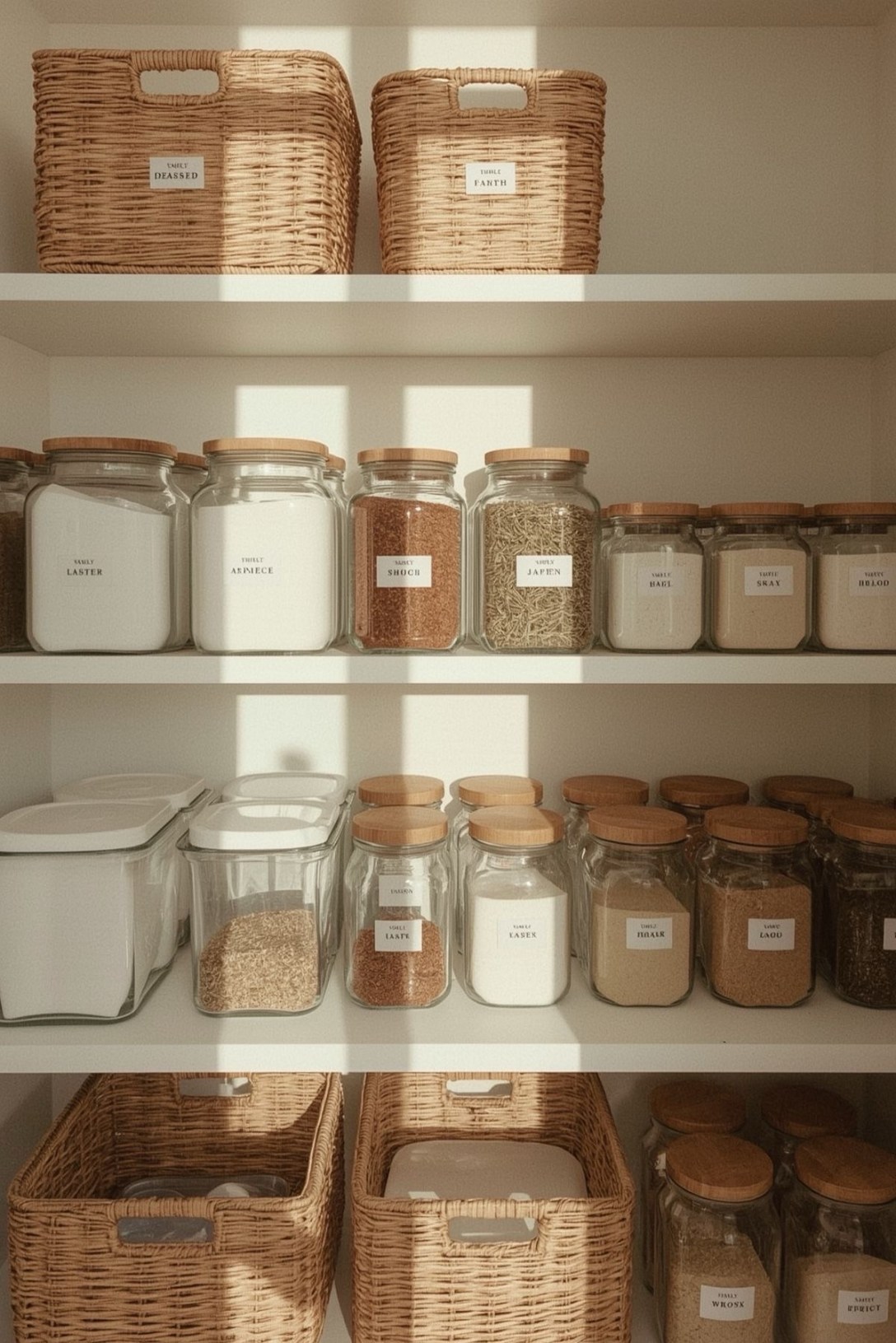
Basket Trick – Keep a catch-all basket in the main living space. Toss random things in, then empty it at the end of the day.

Laundry Reset – Fold or hang clothes right when they come out of the dryer. (A small habit that prevents a big pile.)

Never Go Empty-Handed – Going upstairs? Grab what belongs there. Heading to the kitchen? Take a dish with you.

End-of-Day 5 Minutes – Spend just 5 minutes putting things back in place before bed.

Entryway Rule – Shoes, bags, coats go away the moment you walk through the door.

These little things may not seem like much on their own, but together they create a rhythm of order and peace. When the home feels lighter, so do we.

Maybe the secret isn’t in doing more, but in doing the small things consistently.
Less Stuff, More Meaning

Baby steps. One simple way to alleviate stress in your life while also increasing peace of mind is by letting go of stuff. We hold onto things for many reasons without realizing how heavy that “stuff” can be—not just in our homes, but in our hearts. Becoming more mindful of what you buy and why you keep what you already have is the first step to moving forward.

It’s not always easy. But if you work toward building the habit of asking, “Is this a need or a want?” every time you’re tempted to purchase something, you’ll become more conscious of your spending habits. Go a step further and ask, “What’s the meaning behind this purchase?” When you start connecting purchases to purpose, you shift from acquiring more to surrounding yourself with what matters most.

While decluttering, ask yourself a similar question: “Why is this so hard for me to let go of?” Often, it’s because the item holds sentimental value. I’ll admit—I had a baby walker that I had a very difficult time parting with. If I saw it at a thrift store, I wouldn’t think twice about leaving it behind. But this one taught all my girls how to walk. It’s not just an object—it’s a memory.

Take your time. If letting go of something feels like too much, move on to the next item. Decluttering doesn’t need to happen all at once, and you’ll find that the process becomes lighter and more natural as you go. When the time does come to release something, remember this: when you give it away, you’re sharing its meaning and purpose with someone new.

The magic of decluttering is that it gives more space for the things that truly matter to shine. When you remove the excess, what’s left stands out. Surround yourself with stories, not just “good deals.”

Imagine walking into a home where everything you see holds meaning, tells a story, or serves a purpose. How much lighter would your heart feel? How much freer would your mind be? Letting go isn’t just about what you remove—it’s about what you make room for.

and it just feels good when you get rid of things…….would you agree?

How Can I Become A MINIMALIST

Becoming a minimalist is about simplifying your life, focusing on what truly matters, and reducing excess. Here’s a step-by-step guide to help you get started:

1. Define Your “Why”

• Clarify Your Motivation: Understand why you want to embrace minimalism. Whether it’s reducing stress, saving money, or creating more time for what you love, having a clear purpose will keep you motivated.

2. Start Small

• Declutter: Begin with one area, like a drawer, closet, or room. Sort items into categories: keep, donate, sell, or discard.

• Digital Declutter: Organize your digital life by clearing out unnecessary files, emails, and apps.

3. Adopt the “One In, One Out” Rule

• Balance Your Possessions: For every new item you bring into your home, let go of an old one to maintain balance and avoid clutter.

4. Prioritize Quality Over Quantity

• Invest in Essentials: Choose high-quality, versatile items that serve multiple purposes or have a long lifespan.

5. Simplify Your Schedule

• Focus on Priorities: Eliminate activities or commitments that don’t align with your goals or values. Free up time for what truly matters.

6. Practice Mindful Consumption

• Intentional Buying: Before purchasing anything new, ask yourself if it truly adds value to your life or if it’s just an impulse.

7. Let Go of Sentimental Items

• Keep the Memories, Not the Items: It can be challenging, but try to keep only those items that truly hold meaning. Consider taking photos of sentimental objects before letting them go.

8. Embrace Simple Living

• Focus on Experiences: Shift your focus from acquiring things to creating meaningful experiences.

9. Create a Capsule Wardrobe

• Simplify Clothing Choices: Curate a small collection of versatile, mix-and-match clothing that you love and wear regularly.

10. Review Regularly

• Evaluate Your Progress: Periodically review your possessions and commitments to ensure they align with your minimalist goals.

Minimalism is a personal journey, so take it at your own pace and customize it to fit your lifestyle and values.