Soften The Heart #33 : Children Are a Gift — Even When Our Childhood Didn’t Feel Like One

“Children are a gift from the Lord; they are a reward from Him.”

Psalm 127:3

Children are one of the clearest pictures of God’s heart. Their curiosity, honesty, wonder, and purity remind us of what truly matters. Scripture tells us that children are a gift — not because of what they do, but because of who they are: reflections of God’s creativity and love.

As parents, this verse reminds us to slow down and cherish our kids, to remember that they’re not burdens or interruptions but blessings entrusted to us. They bring joy, purpose, and a fresh view of the world.

But for many adults, this verse can stir something deeper.

Not everyone grew up feeling protected, valued, or cherished. Some people carry wounds from a childhood where they were mistreated, overlooked, or harmed. And hearing “children are a gift” can feel confusing — even painful.

So if that’s you, here’s something important to know:

**God’s intention for children was always good.

Your pain was never His plan.**

When the Bible calls children a gift, it is describing how God sees them — not how every human treats them. Some adults act out of their own brokenness, and their choices leave deep marks on innocent hearts. But your mistreatment was never a reflection of your worth. You were always precious. You were always a gift. Someone else simply failed to honor what God created.

And God grieves with you.

He is “close to the brokenhearted” (Psalm 34:18) and fiercely protective of the vulnerable. Jesus Himself said it would be better for a person to be thrown into the sea than to harm a child (Matthew 18:6). That means He saw you. He cared. He never agreed with what was done to you.

The good news?

God restores what was wounded.

He heals the childhood parts of us that were hurt, silenced, or forgotten. And He gently rebuilds what was broken — identity, trust, safety, and hope.

So whether you grew up cherished or neglected, this verse has a message for you:

Cherish the children in your life today — including the child you once were.

Let today be a reminder to love your kids with intention and tenderness…

but also to let God love and restore the parts of you that didn’t receive that same tenderness growing up.

Children are a gift.

And that includes you — the child you used to be, and the person you are becoming.

Unpeeling the Layers: Beginning Shadow Work

“Until you make the unconscious conscious, it will direct your life and you will call it fate.” — Carl Jung

We all have parts of ourselves that we hide — not because they’re bad, but because somewhere along the way, we were taught they shouldn’t exist, or we felt embarrassed or shame.

The truth is, your “shadow” isn’t evil. It’s simply the unseen — the pieces of you that crave your love and understanding.

A huge part of my very own shadow work has been working through the trauma of being adopted. Emotions and feelings that I battled internally by myself.

Healing takes time; remember that.

What Is Shadow Work?

Shadow work is the practice of bringing light to those unseen parts.

It’s about facing your fears, triggers, insecurities, and buried emotions with honesty and compassion.

When you do, something incredible happens:

what once controlled you from the dark begins to heal in the light.

Shadow work isn’t about fixing yourself — it’s about remembering yourself. It’s about making the connections.

How to Begin Shadow Work

1. Create a safe space

Find a quiet place where you can be fully honest. Light a candle, journal, or simply sit in reflection. Shadow work requires gentleness and patience — you’re opening emotional layers that have been closed for a reason.

2. Observe your triggers

Notice what upsets, annoys, or frustrates you in others.

These moments are mirrors — reflections of something within you asking to be seen. Instead of judging the feeling, get curious about it.

3. Meet your emotions without judgment

When anger, jealousy, or sadness arises, don’t push it away. Ask it what it’s trying to show you. Often, our strongest emotions lead directly to our deepest wounds.

4. Journal through the layers

Writing can help you uncover truths you didn’t know you were hiding. Be honest, messy, and real — no one ever has to read it.

Shadow Work Prompts to Begin

• What emotion do I avoid feeling the most, and why?

• What do I criticize most in others that might live within me too?

• What parts of myself do I struggle to accept or show to the world?

• When do I feel unworthy, and where did that belief begin?

• What am I still holding resentment about, and what lesson might be hidden inside it?

• What situations make me feel small, and who taught me that shrinking was safer?

• What am I afraid people would think if they truly knew me?

• What does my inner child need from me right now?

• In what ways do I self-sabotage when things start going well?

• If my pain could speak, what would it say?

Remember: You Are the Light and the Shadow

Shadow work isn’t about becoming “perfect.” It’s about wholeness — learning to hold both the light and the dark with love. Yin and yang.

Each layer you peel back reveals more truth, more compassion, more freedom.

Healing begins the moment you stop running from yourself and start listening.

Finding Wholeness In YOUR Story – Your Trauma

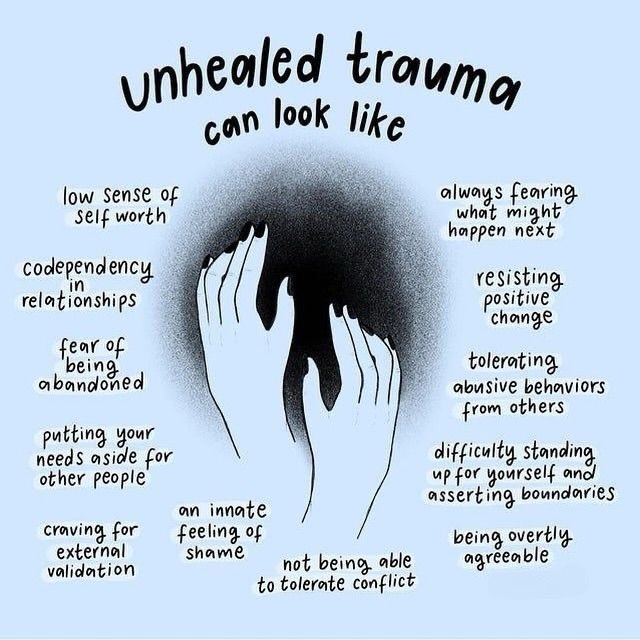
Traumas in your life are the very difficult emotions that you processed alone.

Reread that, and think about that for a moment.

.

.

.

A trauma that I have been healing from for the past couple of years now has been my adoption story.

I was adopted into a family with no connection to any of my biological relatives. I felt incredibly alone for many, many years. Discussing my adoption was taboo; it was as if I were an apple tree trying to grow in an orange grove, and nobody ever acknowledged that I was, indeed, different.

It wasn’t until 29 years later that I met any of my biological family. That’s 29 years of trying to process everything by myself. It’s been a journey—a lifelong one—and it still is.

When I had my own child, I truly believed I could finally put my adoption story behind me. I thought I wouldn’t feel so alone anymore. And, in a way, having my daughter did bring healing, but only temporarily.

Then, when my daughter was 10 months old, we fostered and later adopted my sister-in-law’s daughter, who was just one year old at the time. While fostering her, so many repressed emotions resurfaced—emotions I had buried deep within myself for decades. They came flooding back, sending me into a depression. I couldn’t escape my story. I couldn’t escape myself. I couldn’t escape “adoption/adoptee/adopted” And I hated it.

I didn’t want to feel this pain anymore, but I had no idea what to do. I just knew I could no longer ignore this. Now having a new type of adoption story with actually adopting I knew this had to be dealt with. And I knew if I wanted to be the mother that I wanted to be to my children then I had work to do.

Eventually, I surrendered and accepted that this really was a part of my identity—not my whole self, but a huge part of me. And that’s when the healing journey began.

The traumas we experience cannot be erased, but we can learn how to identify and understand them. Only then can we begin to heal from them.

One way to begin healing is by acknowledging what you went through, validating your experience, and sharing it with others. It’s not enough to think about it in silence. You need to talk about it. Take what’s swirling in your mind and articulate it into words.

For years, I thought I was alone, but I’ve learned through my own journey that I never really was. I’ve also learned how many people out there suffer in silence, just as I did.

I want you to know: You are not alone. There’s so much strength in sharing your truth, in finding connection through the pain. Healing doesn’t mean erasing your story; it means finally allowing yourself to be seen, to be heard, and to be whole.

Becoming Mindful Of Your Emotions

Emotions are a natural part of us, but they don’t define our entire being.

I once heard an analogy that made me chuckle: Emotions are like children. You don’t want them driving the car, but you also don’t want to stuff them in the trunk. This humorous but insightful metaphor reminds us of the delicate balance between acknowledging our emotions and letting them take over.

It’s crucial, maybe even vital, to validate our emotions. A simple but powerful step is naming what you’re feeling out loud: “I am angry because I feel like nobody is listening to me in this house.” Saying it out loud gives the emotion space to exist without consuming you. It’s like holding it up to the light and saying, “I see you, and I understand why you’re here.”

Too often, we seek validation for our emotions from others because we haven’t been taught how to validate ourselves. But here’s the truth: no one else can fully understand your inner world the way you do. Learning to recognize and name your emotions helps you build a bridge between feeling and understanding.

When we fail to acknowledge our emotions, they can turn inward, manifesting as self-blame, self-doubt, or even shame. Unchecked, they can become a storm that clouds how we see ourselves and the world. But when we practice self-compassion and emotional mindfulness, we create space for healing and growth.

This practice is also deeply tied to valuing and loving ourselves. When we learn to be gentle with our feelings instead of silencing or avoiding them, we show ourselves the same compassion we would offer to a friend. It becomes easier to navigate life with emotions as our passengers—present and acknowledged but no longer in control.

Emotions, however, can be powerful guides. Each one has something to teach us—if we’re willing to listen. Sadness might remind us of what we cherish or have lost. Anger can show us where our boundaries feel crossed. Joy reveals what brings meaning to our lives. They’re not the enemy—they’re messengers.

By taking this approach, we can steer through life with greater clarity and peace, no matter how strong the waves of emotion may be.

If we do not work on repairing and understanding ourselves, we cannot help repair or understand others.

All behavior makes sense with enough information.”

Reminder: YOU MAKE SENSE.