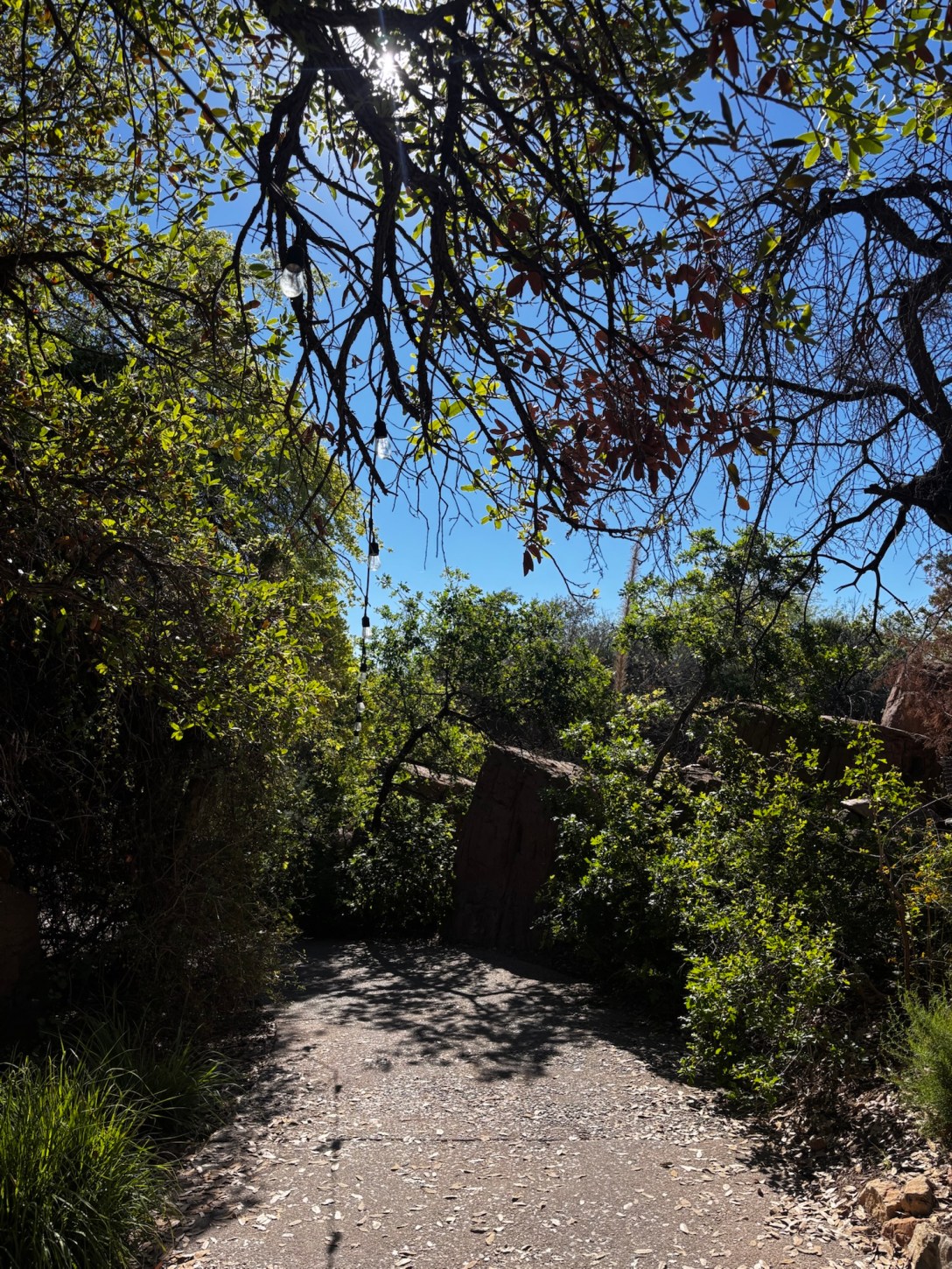
Walking Away to Come Back

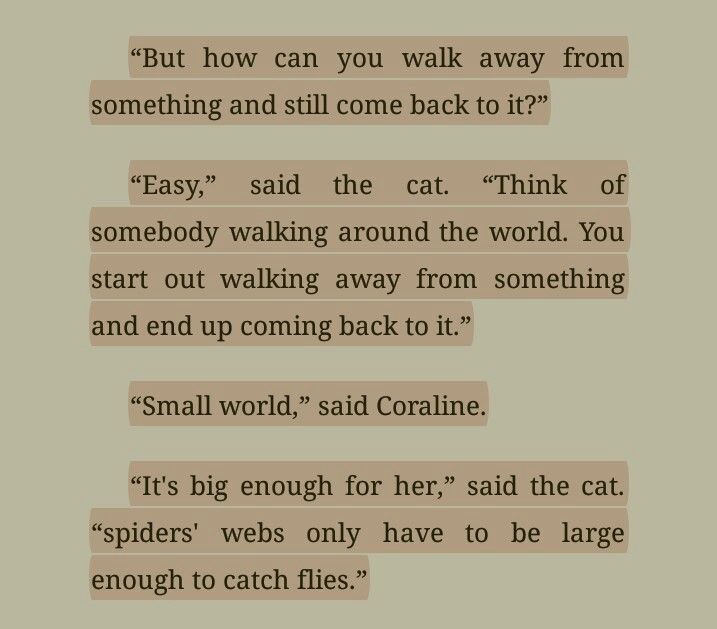
“How can you walk away from something and still come back to it?”
— Coraline

I used to think this meant returning to a person or a place.

But I think it’s about life itself.

We spend so much of our time believing happiness is waiting somewhere else. Somewhere bigger, louder, more exciting. A different house. A different body. A different stage of life. We quietly assume this ordinary day cannot possibly be “it.”

So we mentally walk away.

We chase improvement. We chase identity. We chase the feeling that something is missing.

And maybe we even reach some of it — the goals, the recognition, the change.

But then something unexpected happens.

It doesn’t fill what we thought it would.

Because stimulation is not the same thing as peace.

Slowly we begin to notice the small things we once overlooked — morning light in the kitchen, a familiar laugh from another room, simple meals, quiet routines, the people who were beside us the entire time.

You only understand the value of water when you’ve been thirsty.

And sometimes we only understand the value of our lives after we’ve tried to outgrow them.

We come back.

Not because life became smaller,
but because our sight became clearer.

We didn’t actually return to the same life.
We returned with understanding.

Sometimes the journey away is necessary, because it teaches us how to finally see what was already enough.

We didn’t come back to less.

We came back to what was real.
Where Do We Draw The Line?

Recently, I watched the movie Coraline and a YouTube video on Taoist philosophy, and both left me reflecting deeply on human nature and our constant craving for more.

In Coraline, the children lost their souls, not because they didn’t have enough, but because even when they were given everything they desired, it still wasn’t enough. A chilling thought, isn’t it? This dark and haunting animation earned an Oscar for a reason—it shines a light on something real and unsettling within us. (I throughly enjoyed this thought provoking movie.)

Similarly, the Taoist philosophy video explored how this endless quest for “more” leads to stress, burnout, and withdrawal from peace. Or, like in Coraline, it can even cost us our souls—though perhaps not in a literal sense, but in how we lose touch with ourselves, our purpose, and what really matters.

Do you see the connection?

So, where do we draw the line? When do we step back and say, “I’m good. I have enough.”

I believe awareness is the first step. Developing an awareness of these traps—this cycle of more, more, more—can help us catch ourselves before we fall deeper into it. But awareness isn’t always enough. We need something more substantial: an armor to protect us from the constant pull of these traps.

How do we build that armor? Honestly, I wish I had a straight answer. But what I do know is this: it starts with doing the inner work. Looking at yourself—really seeing yourself. Asking the hard questions about what you truly need versus what you’re chasing out of habit, pressure, or comparison.

It’s not easy. It’s uncomfortable, messy, and often takes time. But I believe learning to “draw the line” isn’t just something we need—it’s something we all deserve. A chance to reclaim our peace, to step off the hamster wheel, and to say, “This is enough.”

(YouTube video in case you’re interestedclick here )