When Our Child’s Tears Mirror Our Own: Breaking the Cycle of Emotional Projection

“Until you make the unconscious conscious, it will direct your life and you will call it fate.”

Carl Jung

Why do we sometimes get triggered by our children’s emotions?

One word: Projection.

It sounds simple, but it’s layered and deeply human. Projection means we unconsciously place our own unresolved feelings onto others—often without realizing it. And with parenting, this tends to show up when our kids express emotions we weren’t allowed to feel growing up.


When Their Emotions Stir Something In Us

Let’s say your child starts crying over something that seems small—maybe they can’t get their shoes on. You feel irritation rise. You say, “You’re fine. Stop crying. It’s not a big deal.”

But under that reaction might be this:

You weren’t allowed to cry when you were small. You were told to toughen up. Crying meant weakness. And now, when your child does what you weren’t permitted to do, it brings up old pain you never had space to process.

What you’re feeling isn’t just about their emotion—it’s about your history with that emotion.

How Do We Break the Cycle?

1. Pause Before Reacting

Even a brief pause creates space. In that moment, silently ask yourself:

“What am I feeling right now?” “Is this about them… or something unresolved in me?”

This small habit can change everything.

2. Get Curious Instead of Controlling

Shift from, “This needs to stop,” to, “What are they trying to express?”

Emotions are messages. Our children are not giving us a hard time—they’re having a hard time.

3. Reflect on Your Own Story

Later, when things are quiet, explore:

“Was I allowed to feel this as a child?” “What did I learn about emotions like anger or sadness?”

Self-awareness is the first door to healing.

4. Reparent Yourself as You Parent Your Child

When your child is upset, respond with:

To them: “It’s okay to feel that way. I’m here.” To yourself: “I wasn’t taught this, but I’m learning now. We’re both safe.”

You’re not just raising a child—you’re healing generations.

5. Offer Yourself Compassion

Getting triggered doesn’t mean you’re failing. It means there’s something inside you that’s asking to be felt, seen, and gently loved. The more grace you give yourself, the more you’ll have to give.

This work isn’t easy. But every time you choose to pause, to stay present, and to feel instead of react, you are breaking a cycle—and building a new legacy.

One where emotion is not feared, but welcomed.

One where your child feels safe to be fully themselves.

And one where you get to heal in the process.
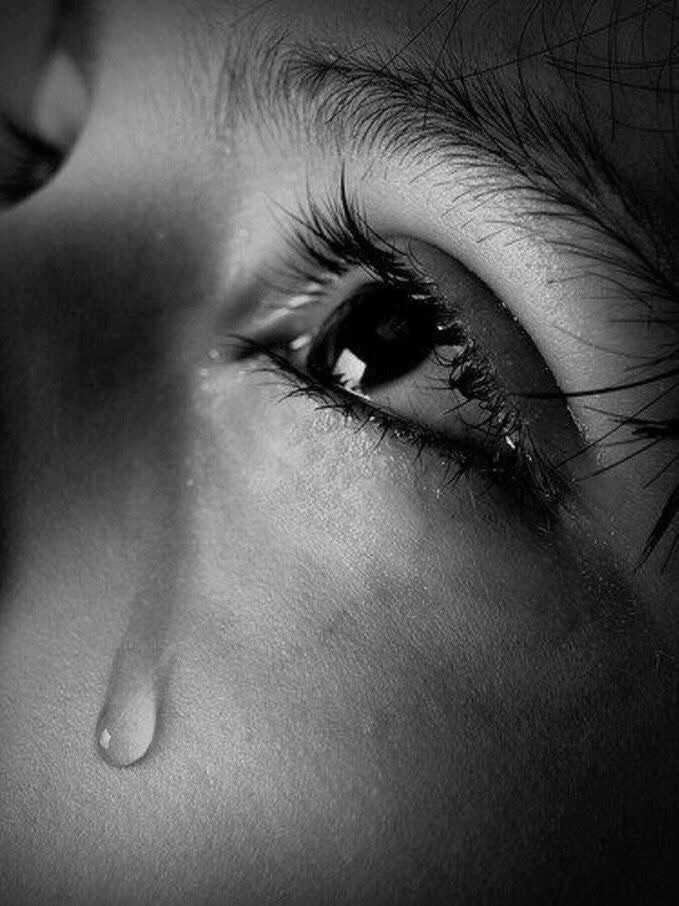
Crying Is a Beautiful Thing—Here’s Why

Tears often get a bad reputation. Many people see crying as a sign of weakness, something to be hidden or suppressed. But the truth is, crying is one of the most natural, healing, and even necessary things we can do. It’s not just an emotional release—it’s a biological function with real benefits for our mind and body.

So the next time you feel tears welling up, don’t fight them. Let them flow. Here’s why crying is actually a beautiful thing.


The Science Behind Tears

Did you know that not all tears are the same? There are three types of tears, each with its own unique purpose:

1. Basal Tears: These keep your eyes lubricated and protect them from drying out.

2. Reflex Tears: These clear out irritants like dust, smoke, or onion fumes.

3. Emotional Tears: These are triggered by strong feelings like sadness, joy, frustration, or relief.

What’s fascinating is that emotional tears contain stress hormones and toxins, meaning that crying actually helps your body release built-up tension and cleanse itself.


The Benefits of Letting Your Tears Flow

If you’ve ever had a good cry and felt lighter afterward, there’s a reason for that. Here’s how crying can benefit your well-being:

It Reduces Stress – Crying lowers cortisol levels, helping to ease tension and bring your body back to balance.

It Releases Endorphins – Tears can trigger the release of oxytocin and endorphins, the body’s natural feel-good chemicals. This is why crying can actually leave you feeling calmer and more relaxed.

It Strengthens Emotional Resilience – Allowing yourself to feel and process emotions instead of suppressing them helps you move through challenges with greater self-awareness and emotional intelligence.

It Connects You to Others – Tears can be a bridge, helping us express vulnerability and deepen relationships. People who cry in front of others often experience stronger emotional bonds.

It Improves Sleep – Studies have shown that crying, especially before bed, can help regulate emotions and lead to better sleep quality.

It Helps You Heal – Whether you’re grieving a loss, feeling overwhelmed, or simply processing life’s ups and downs, crying is a healthy way to release and heal.


A Different Perspective on Tears

Many cultures and societies teach us to hold back our tears, especially in public. But what if we saw crying for what it truly is—a natural expression of being human?

Babies cry to communicate. Athletes cry when they win or lose. Loved ones cry at reunions and goodbyes. We cry out of love, joy, sorrow, and relief.

Tears are a language that words can’t always express.


Final Thought

Crying isn’t something to be ashamed of—it’s something to honor. It’s a reminder that you feel deeply, that you care, and that you are alive.

So if you need to cry, let yourself. It’s not a breakdown—it’s a release. And sometimes, that’s the most beautiful thing of all.