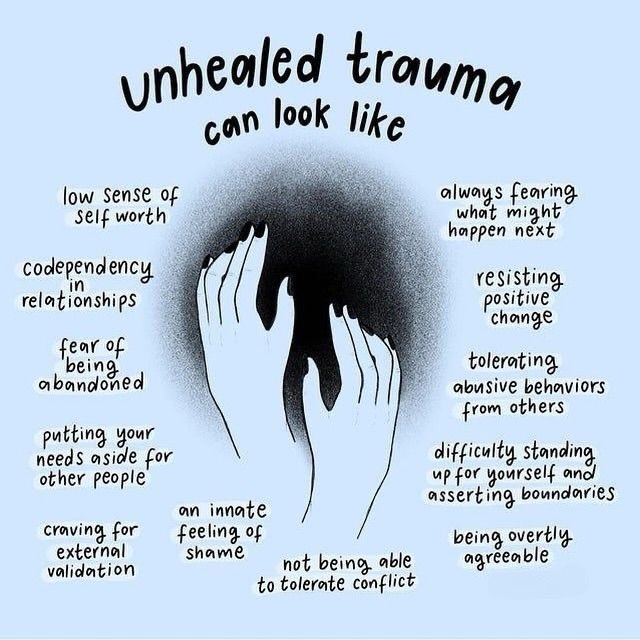
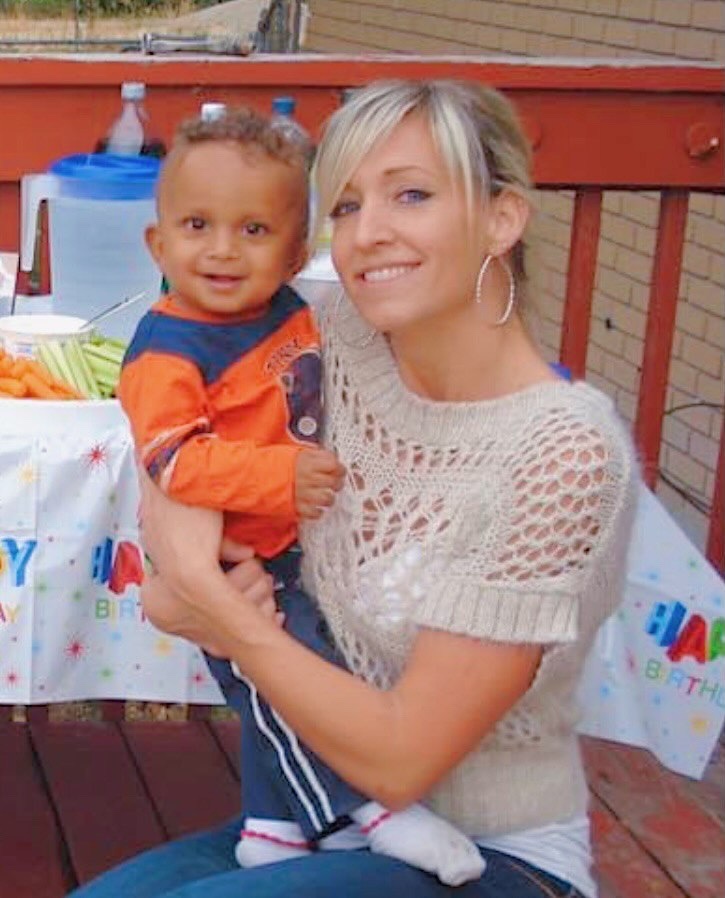
Unpeeling the Layers: Beginning Shadow Work

“Until you make the unconscious conscious, it will direct your life and you will call it fate.” — Carl Jung

We all have parts of ourselves that we hide — not because they’re bad, but because somewhere along the way, we were taught they shouldn’t exist, or we felt embarrassed or shame.

The truth is, your “shadow” isn’t evil. It’s simply the unseen — the pieces of you that crave your love and understanding.

A huge part of my very own shadow work has been working through the trauma of being adopted. Emotions and feelings that I battled internally by myself.

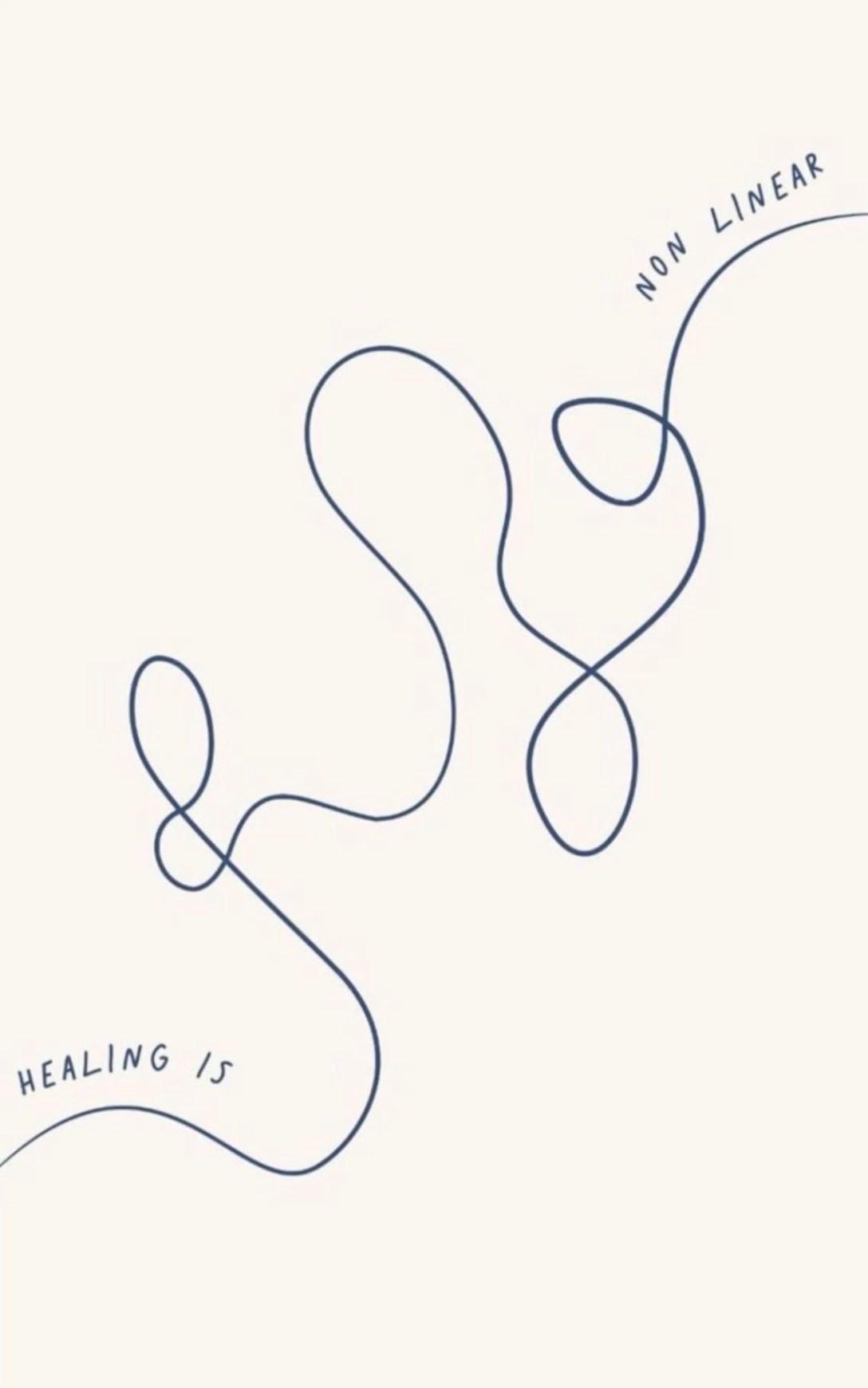
Healing takes time; remember that.

What Is Shadow Work?

Shadow work is the practice of bringing light to those unseen parts.

It’s about facing your fears, triggers, insecurities, and buried emotions with honesty and compassion.

When you do, something incredible happens:

what once controlled you from the dark begins to heal in the light.

Shadow work isn’t about fixing yourself — it’s about remembering yourself. It’s about making the connections.

How to Begin Shadow Work

1. Create a safe space

Find a quiet place where you can be fully honest. Light a candle, journal, or simply sit in reflection. Shadow work requires gentleness and patience — you’re opening emotional layers that have been closed for a reason.

2. Observe your triggers

Notice what upsets, annoys, or frustrates you in others.

These moments are mirrors — reflections of something within you asking to be seen. Instead of judging the feeling, get curious about it.

3. Meet your emotions without judgment

When anger, jealousy, or sadness arises, don’t push it away. Ask it what it’s trying to show you. Often, our strongest emotions lead directly to our deepest wounds.

4. Journal through the layers

Writing can help you uncover truths you didn’t know you were hiding. Be honest, messy, and real — no one ever has to read it.

Shadow Work Prompts to Begin

• What emotion do I avoid feeling the most, and why?

• What do I criticize most in others that might live within me too?

• What parts of myself do I struggle to accept or show to the world?

• When do I feel unworthy, and where did that belief begin?

• What am I still holding resentment about, and what lesson might be hidden inside it?

• What situations make me feel small, and who taught me that shrinking was safer?

• What am I afraid people would think if they truly knew me?

• What does my inner child need from me right now?

• In what ways do I self-sabotage when things start going well?

• If my pain could speak, what would it say?

Remember: You Are the Light and the Shadow

Shadow work isn’t about becoming “perfect.” It’s about wholeness — learning to hold both the light and the dark with love. Yin and yang.

Each layer you peel back reveals more truth, more compassion, more freedom.

Healing begins the moment you stop running from yourself and start listening.
Why Is It So Uncomfortable to Actually Feel?

Letting yourself feel sounds simple. But it’s not.

It’s one of the bravest and most uncomfortable things we can do.

Because feeling means facing. And most of us have spent years—maybe even decades—trying to avoid the very things our hearts most need to acknowledge.

So much of life teaches us to stay busy, stay numb, stay “fine.” We learn early on that some feelings are too big, too messy, too inconvenient. We tuck them away. We get good at holding ourselves together. We smile when we’re sad. We shrug off pain. We keep moving.

But at some point, the ache catches up to us.

And we realize that what we’ve been avoiding isn’t going away—it’s waiting to be felt.

That’s when the discomfort sets in. Not because we’re doing something wrong… but because we’re doing something deeply right. We’re unlearning a lifetime of emotional suppression. We’re learning to be honest again—with ourselves.

And that honesty? It cracks us open.

It’s scary because real feeling is raw. It makes us vulnerable. It can make us feel out of control. But the truth is, we’re never more in tune with ourselves than when we allow the feeling to move through us—fully and freely.

Even joy can feel uncomfortable if we’re used to waiting for it to vanish. Even peace can feel strange if chaos has been our baseline.

But you were made to feel.

You were not made to carry it all in silence.

You were not made to keep bracing for impact.

You were made to breathe through it. To soften. To release.

Feelings are not enemies. They are messages.

They are waves—not tsunamis.

They come to move, not to drown you.

Letting yourself feel is not weakness—it’s courage.

It’s coming home to your heart.

Crying Is a Beautiful Thing—Here’s Why

Tears often get a bad reputation. Many people see crying as a sign of weakness, something to be hidden or suppressed. But the truth is, crying is one of the most natural, healing, and even necessary things we can do. It’s not just an emotional release—it’s a biological function with real benefits for our mind and body.

So the next time you feel tears welling up, don’t fight them. Let them flow. Here’s why crying is actually a beautiful thing.


The Science Behind Tears

Did you know that not all tears are the same? There are three types of tears, each with its own unique purpose:

1. Basal Tears: These keep your eyes lubricated and protect them from drying out.

2. Reflex Tears: These clear out irritants like dust, smoke, or onion fumes.

3. Emotional Tears: These are triggered by strong feelings like sadness, joy, frustration, or relief.

What’s fascinating is that emotional tears contain stress hormones and toxins, meaning that crying actually helps your body release built-up tension and cleanse itself.


The Benefits of Letting Your Tears Flow

If you’ve ever had a good cry and felt lighter afterward, there’s a reason for that. Here’s how crying can benefit your well-being:

It Reduces Stress – Crying lowers cortisol levels, helping to ease tension and bring your body back to balance.

It Releases Endorphins – Tears can trigger the release of oxytocin and endorphins, the body’s natural feel-good chemicals. This is why crying can actually leave you feeling calmer and more relaxed.

It Strengthens Emotional Resilience – Allowing yourself to feel and process emotions instead of suppressing them helps you move through challenges with greater self-awareness and emotional intelligence.

It Connects You to Others – Tears can be a bridge, helping us express vulnerability and deepen relationships. People who cry in front of others often experience stronger emotional bonds.

It Improves Sleep – Studies have shown that crying, especially before bed, can help regulate emotions and lead to better sleep quality.

It Helps You Heal – Whether you’re grieving a loss, feeling overwhelmed, or simply processing life’s ups and downs, crying is a healthy way to release and heal.


A Different Perspective on Tears

Many cultures and societies teach us to hold back our tears, especially in public. But what if we saw crying for what it truly is—a natural expression of being human?

Babies cry to communicate. Athletes cry when they win or lose. Loved ones cry at reunions and goodbyes. We cry out of love, joy, sorrow, and relief.

Tears are a language that words can’t always express.


Final Thought

Crying isn’t something to be ashamed of—it’s something to honor. It’s a reminder that you feel deeply, that you care, and that you are alive.

So if you need to cry, let yourself. It’s not a breakdown—it’s a release. And sometimes, that’s the most beautiful thing of all.

How To Use *COLORS* With Healing, Design, And Spiritual Use

Colors are more than just visual elements—they carry energy that can influence our emotions, environment, and overall well-being.

From vibrant reds that ignite passion to soothing blues that foster calm, each color holds unique properties that can be harnessed in various ways.

Whether you’re designing a space, seeking spiritual alignment, or exploring the healing power of color, understanding these energies allows you to intentionally shape your surroundings and inner world.

In this post, we’ll explore how colors can be used for design, spiritual practices, and healing, offering insights to help you create harmony and balance in your life.


Spiritual Uses of Colors

Colors are often tied to spiritual practices, such as chakra work, meditation, and ritual:

1. Chakras:

• Each chakra is associated with a color that corresponds to its energy:

Root (Red): Stability and grounding.

Sacral (Orange): Creativity and emotions.

Solar Plexus (Yellow): Confidence and willpower.

Heart (Green/Pink): Love and compassion.

Throat (Blue): Communication and truth.

Third Eye (Indigo): Intuition and insight.

Crown (Purple/White): Spiritual connection.

2. Meditation:

• Visualizing a specific color can help you tune into its energy:

• Green for healing.

• Blue for clarity and calm.

• Gold for spiritual illumination.

3. Rituals:

• Incorporate candles, crystals, or fabrics in your chosen color to enhance the energy of an intention (e.g., gold for abundance, lavender for peace).


Healing with Colors (Chromotherapy)

Colors can influence emotions, energy levels, and even physical well-being. Here are a few examples of how they’re used in healing:

1. Red: Stimulates energy and circulation. Often used for combating fatigue, but too much can be overwhelming.

How to use: Wear red when you need a confidence boost or extra vitality.

2. Orange: Uplifts and energizes the mind. It can help with feelings of depression or creativity blocks.

How to use: Decorate creative spaces with orange accents or light a candle with an orange hue.

3. Yellow: Balances the solar plexus chakra and supports mental clarity.

How to use: Sit in sunlight or use yellow lighting when working on intellectual tasks.

4. Green: Soothes and restores balance. It’s associated with heart chakra healing.

How to use: Meditate in nature or use green crystals like jade or malachite.

5. Blue: Calms the mind and supports throat chakra communication.

How to use: Wear light blue for peaceful interactions or use it in bedrooms to encourage restful sleep.

6. Purple: Connects to intuition and spirituality, balancing the crown chakra.

How to use: Burn lavender incense or decorate a meditation corner with violet hues.


Using Colors in Design

Colors can completely shift the energy of a space or piece of art. Here are some tips:

1. Warm Colors for Energy:

• Red, Orange, Yellow: Use in areas where you want activity and interaction, like a kitchen, dining room, or social area.

2. Cool Colors for Calm:

• Blue, Green, Teal: Perfect for bedrooms, bathrooms, or any space for relaxation.

3. Neutral Tones for Balance:

• Gray, Beige, White: Great for minimalist designs or grounding busy areas.

4. Pops of Color:

• Add small accents of bright colors like coral, lime green, or turquoise to liven up a neutral palette.

5. Color in Art and Fashion:

• Use color strategically in your wardrobe or creative projects to evoke specific emotions (e.g., black for sophistication, pink for gentleness).


Practical Suggestions to Work with Colors

1. Color Journaling:

• Reflect on how certain colors make you feel. Write about the emotions and memories they evoke.

2. Crystal Therapy:

• Use crystals that match the energies of the colors you’re drawn to (e.g., amethyst for purple, citrine for yellow).

3. Wardrobe Alignment:

• Wear colors that align with the energy you want to project or cultivate that day.

4. Seasonal Shifts:

• Embrace different color palettes throughout the year. Warm colors in fall and winter, cool tones in spring and summer.

5. Art Therapy:

• Paint or draw with the colors you’re most drawn to. Notice what themes or emotions emerge.

Happy *coloring* !

Finding Wholeness In YOUR Story – Your Trauma

Traumas in your life are the very difficult emotions that you processed alone.

Reread that, and think about that for a moment.

.

.

.

A trauma that I have been healing from for the past couple of years now has been my adoption story.

I was adopted into a family with no connection to any of my biological relatives. I felt incredibly alone for many, many years. Discussing my adoption was taboo; it was as if I were an apple tree trying to grow in an orange grove, and nobody ever acknowledged that I was, indeed, different.

It wasn’t until 29 years later that I met any of my biological family. That’s 29 years of trying to process everything by myself. It’s been a journey—a lifelong one—and it still is.

When I had my own child, I truly believed I could finally put my adoption story behind me. I thought I wouldn’t feel so alone anymore. And, in a way, having my daughter did bring healing, but only temporarily.

Then, when my daughter was 10 months old, we fostered and later adopted my sister-in-law’s daughter, who was just one year old at the time. While fostering her, so many repressed emotions resurfaced—emotions I had buried deep within myself for decades. They came flooding back, sending me into a depression. I couldn’t escape my story. I couldn’t escape myself. I couldn’t escape “adoption/adoptee/adopted” And I hated it.

I didn’t want to feel this pain anymore, but I had no idea what to do. I just knew I could no longer ignore this. Now having a new type of adoption story with actually adopting I knew this had to be dealt with. And I knew if I wanted to be the mother that I wanted to be to my children then I had work to do.

Eventually, I surrendered and accepted that this really was a part of my identity—not my whole self, but a huge part of me. And that’s when the healing journey began.

The traumas we experience cannot be erased, but we can learn how to identify and understand them. Only then can we begin to heal from them.

One way to begin healing is by acknowledging what you went through, validating your experience, and sharing it with others. It’s not enough to think about it in silence. You need to talk about it. Take what’s swirling in your mind and articulate it into words.

For years, I thought I was alone, but I’ve learned through my own journey that I never really was. I’ve also learned how many people out there suffer in silence, just as I did.

I want you to know: You are not alone. There’s so much strength in sharing your truth, in finding connection through the pain. Healing doesn’t mean erasing your story; it means finally allowing yourself to be seen, to be heard, and to be whole.

Becoming Mindful Of Your Emotions

Emotions are a natural part of us, but they don’t define our entire being.

I once heard an analogy that made me chuckle: Emotions are like children. You don’t want them driving the car, but you also don’t want to stuff them in the trunk. This humorous but insightful metaphor reminds us of the delicate balance between acknowledging our emotions and letting them take over.

It’s crucial, maybe even vital, to validate our emotions. A simple but powerful step is naming what you’re feeling out loud: “I am angry because I feel like nobody is listening to me in this house.” Saying it out loud gives the emotion space to exist without consuming you. It’s like holding it up to the light and saying, “I see you, and I understand why you’re here.”

Too often, we seek validation for our emotions from others because we haven’t been taught how to validate ourselves. But here’s the truth: no one else can fully understand your inner world the way you do. Learning to recognize and name your emotions helps you build a bridge between feeling and understanding.

When we fail to acknowledge our emotions, they can turn inward, manifesting as self-blame, self-doubt, or even shame. Unchecked, they can become a storm that clouds how we see ourselves and the world. But when we practice self-compassion and emotional mindfulness, we create space for healing and growth.

This practice is also deeply tied to valuing and loving ourselves. When we learn to be gentle with our feelings instead of silencing or avoiding them, we show ourselves the same compassion we would offer to a friend. It becomes easier to navigate life with emotions as our passengers—present and acknowledged but no longer in control.

Emotions, however, can be powerful guides. Each one has something to teach us—if we’re willing to listen. Sadness might remind us of what we cherish or have lost. Anger can show us where our boundaries feel crossed. Joy reveals what brings meaning to our lives. They’re not the enemy—they’re messengers.

By taking this approach, we can steer through life with greater clarity and peace, no matter how strong the waves of emotion may be.

If we do not work on repairing and understanding ourselves, we cannot help repair or understand others.

All behavior makes sense with enough information.”

Reminder: YOU MAKE SENSE.

Dear Readers: Since Childhood Writing Has Been A Coping Mechanism For Me

Dear Readers,

I’m going to create a category called “dear readers” where I can be transparent and raw with my feelings and experiences for a moment. A way to release all that does not serve me in a positive way. I would like to reveal a vulnerable side of myself to better connect with all that follow this blog.

But as well, I would like to write these to share with my children one day.

I’ve reached a point where I desperately need to express and empty in writing all these unresolved emotions and “traumas” that I have been carrying for many years. I do not wish to past these to my children. But I hope to gain solutions and euphonies to help them when they face these obstacles one day.

I’m not really into your typical therapy. Talking about it can only do so much for me. Writing and reading are my therapy. I have to write it all down. I have think about it. I have to soak myself in emotion and words and allow myself to shiver.

It’s a puzzle that I know only I can truly solve.

Since childhood writing has always been a therapeutic tool for me. A way to strip the emotional pain or negative emotions from myself.

It’s always been a processing tactic for me. The only thing was, I would write it all down and then just completely ignore what I wrote. Well I’m older now and instead of ignoring the problems after I write I’m digging deeper for discoveries to better myself.

Writing was the release…..but as my love for reading has grown I also know how reading others writings can encourage and help others. Which is why I decide to share and write what I do on this blog.

My mom was in an abusive relationship during a good chunk of my childhood. Lots of screaming and crying behind closed doors. And I would hear her get thrown around often behind those closed doors. I know they didn’t want to fight in front of us, but our ears provided plenty of visuals.

This could be where my love for writing stemmed from honestly. I would write as they would be fighting. Expressing my hate for my stepdad. I would write prayers for help. It was all so sad really. The most vivid memories of this are from ages 9, maybe 8 to 14.

I know it was sad because there was a moment where I sat down (I’m thinking early 20s) and read those old childhood journals and it disturbed me so much that I didn’t want to remember any of those memories ever again. So I destroyed those journals.

But just because the words are destroyed doesn’t mean the actual memories are erased. My body still remembers.

Being much older now and developing a more sense of self I regret destroying those time capsules. Because now I’m really trying to heal myself to be a better mother to my children and those journals were like a cheat sheet to healing.

And now it’s like playing a guessing game. Something will trigger me and I’m sitting there left and confused, pondering it all day.

Truth be told I thought I was completely fine and “happy”. It wasn’t until I had children that all my repressed emotions began to expose themselves like weeds during a rainy season.

There’s a great part of me that sometimes feels overwhelmed, like now for example. Where I have to sit in a puddle of feels and just think about it.

It’s like, thinking you aced a test and then getting your test back and seeing that you failed. Sometimes I feel/think like “I’m healed, I’m good. I’m past it all.” I think that I can officially move forward and then I’ll have a humbling moment (usually provided to me by my kids) and I’m left dumbfounded. I’ve been shown that my emotions from my past are still greatly controlling me. That the work is definitely not complete.

It’s extremely frustrating. Parenting. Having “screw up” moments is really hard. Putting your tail between your legs in front of your children is super hard.

You want to be the best mother for your children however life shows you that you’re still a child yourself and that you’ve got lots of growing to still do.

Anyways, today I share and tell and I’m looking forward to sharing more.

Lots of love always,

m.g.

Stories To Share: “Spreading Sunshine For Jaylen”

I came across Janes story on Instagram just a few years ago. It’s amazing how fast time flies. I was on Instagram and she popped up in my “similar accounts you follow” I happened to watch her Instagram story and on her story that day she was sharing this loss that she experienced a few years ago. It was so raw and I could feel the emotions. I had no idea who this woman was but I could feel her pain and sorrow. Her story completely pulled at my heart strings. I was instantly pushed into the present. Her strength is admirable and she gives hope to so many who have or will face something difficult in their life. Her story is a reminder on how precious and fragile this life is. And when storms come, the rainbows will guide us.

This story has been shared by given permission.

Stories To Share: “Spreading Sunshine For Jaylen”

It was September 21, 2013, we were headed to my sisters house to celebrate my son Jaylen, second birthday. He was turning 2 on September 25.

My sister had a swimming pool and we loved to swim, especially living in Texas with the heat, so we planned a pool party. It was just my family (husband and two kids) and my sisters family (husband and three kids) who were there. An intimate party with just family. Everyone was having so much fun, the kids played in the pool for a few hours. It was getting time for dinner so we started getting cleaned up, got the kids out of the pool and headed inside for dinner.

Shortly after dinner, my sister and I started cleaning up so we could sing to Jaylen and have birthday cake. I watched Jaylen walk outside and sit on his dad’s lap. A few moments later I looked outside and saw that Jaylen was not on his dads lap anymore so I immediately walked outside and asked Mike where Jaylen had gone. He mentioned that he had followed his brother Ian, who had just walked by, to the garage.

Our lives changed forever that night because Jaylen had not followed his brother to the garage, instead he found his way to the pool (steps from my husband) and lost his life that night. It was a matter of seconds that he was out of our sight. No splashing or screaming. No crazy loud night with distracted parents. An extremely peaceful, calm, enjoyable night that turned tragic. 

Since that day life has never been the same. Trying to navigate life after losing a child is absolutely the hardest thing I have ever had to do. Many nights I would sob, wondering how I would make it to the next day. I distinctly remember nights pleading to God to help me through to the next day because I didn’t know how I could go on. Miraculously, little by little, day by day, slowly putting one foot in front of the other, life became manageable again, although never the same.

Days after losing Jaylen, a family member had the idea to “Spread Sunshine” on Jaylen’s behalf. It’s started out as family and friends spreading sunshine to our family, which warmed our hearts during such a tragic time. Since then, our family has continued “Spreading Sunshine for Jaylen”. Each September, we do random acts of kindness in honor of our son, sharing a card with his story on it, hoping others will pass the kindness along to others. In a time that can be extremely hard, it has brightened our month by continuing this beautiful act of kindness in honor of Jaylen. 

We are now about to enter our eighth year without our son. It’s hard to believe we have made it this far, but on our journey, we have been blessed to find so much beauty along the road. When you experience something so tragic, you can’t help but see life through a different lens, and what a gift each and every day is. Live life to the fullest, love harder, cherish the moments because we don’t know what tomorrow will bring.

Jane GarnerRodan+Fields Consultant

If you have a story that you would like to share please contact ‘The Wild Gems’ . You can always remain anonymous as well. I believe sharing our stories has the power to not only heal ourselves but others as well. We need to always be reminded and to remind others that we are never alone and that love continues and will continue to push through even the darkest of moments.

God bless.