
Be Vulnerable And Let Love In

There is a lot less pain when we keep ourselves reserved. But when we close ourselves off, we also miss out on the immense beauty of love. Love is always a risk, and while it can bring heartache, I promise you—it’s worth it. Embracing love is not something you will ever regret.

Still, we cannot ignore the truth about love: when it’s lost, it lingers.

Losing love is like reaching the most gripping part of a story, only to turn the page and find it blank. The rest of the book is empty—full of unanswered questions, leaving you with a longing for what could have been.

“’Tis better to have loved and lost than never to have loved at all,” Alfred Lord Tennyson once said. And he was right. Love leaves its mark, even in its absence. It shapes us, teaching us to feel deeply, to grow, and to carry its lessons forward.

Love is universal—it binds us together. It’s something we all seek and something we all grieve when it’s gone. But the loss of love should never overshadow the joy of experiencing it.

Yes, love makes us vulnerable, but it also opens doors to the most profound parts of being human. To love deeply is to live fully. Even in its risks and heartaches, love teaches us who we are.

So let love in. Be vulnerable. It’s the bravest thing you can do—and the most rewarding.

“To make the journey and not fall deeply in love, well, you haven’t lived a life at all.”
The Map and the Compass: A Journey of the Heart

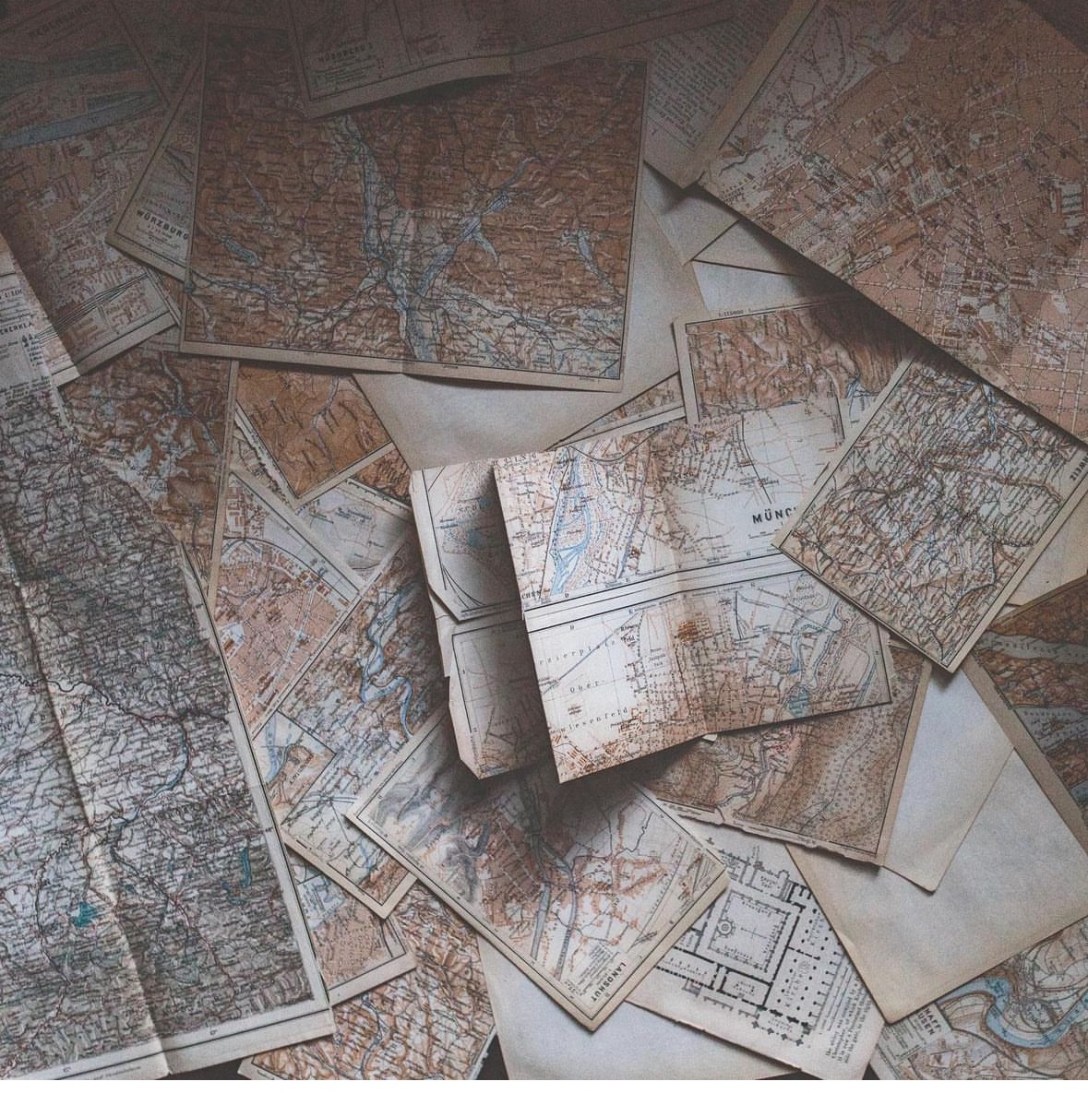
When was the last time you admired a map—a tangible one? People don’t really use them anymore. We all rely on GPS. But if you have a physical map in your hands right now, you might feel a little overwhelmed.

Maps are wonderful tools, especially if you know where you’re going or what you want to find. But if you’re holding a map without a destination in mind, it can feel confusing, overwhelming, even useless. You might think, What’s the point of even having this map?

When you’re feeling lost, though, you pull out the compass. The compass doesn’t overwhelm you with details—it simply points you in the right direction. It guides you toward where you need to go.

To me, spiritual practices, traditions, and teachings are like maps. They can be rich with guidance and knowledge, and when you know where you’re going, they’re incredibly helpful. But if you’re unsure of your destination or disconnected from your inner truth, even these maps can leave you feeling lost, frustrated, or stuck.

The compass, though—that’s your heart. Just as a compass directs you toward your path, your heart provides the internal guidance you need. When you follow your heart, it always leads you to where you’re meant to be. Once you begin using the compass within, the maps of spiritual teachings—no matter their origin—start to make more sense. They show you landmarks to notice, lessons to embrace, and beauty to recognize along your journey.

Without your inner compass, you risk wandering aimlessly, hoping the map alone will solve everything. But when you tune into your heart, every map you encounter becomes a tool for growth. You start to see that all maps, in their own way, can teach you something valuable.

Maps no longer feel useless or overwhelming. They become companions on your journey, and you find gratitude for the paths they reveal.

Because the truth is, the compass and the map aren’t in competition—they’re partners. The compass gives you direction, and the map provides context. The heart points you toward your truth, and the wisdom from spiritual practices offers insights along the way. Together, they create a journey that’s both meaningful and uniquely yours.

So, next time you feel lost, remember to check in with your compass—your heart. It will guide you, and the maps you follow will become clearer and more meaningful.