Where Do We Draw The Line?

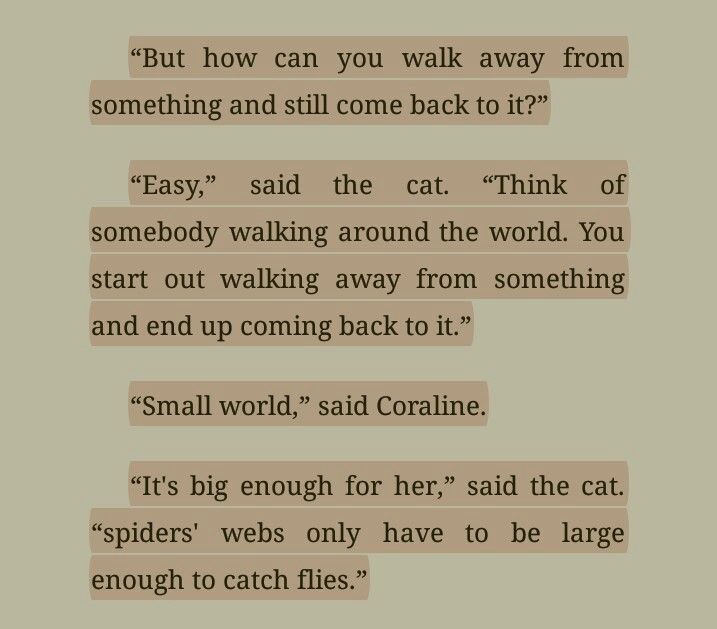
Recently, I watched the movie Coraline and a YouTube video on Taoist philosophy, and both left me reflecting deeply on human nature and our constant craving for more.

In Coraline, the children lost their souls, not because they didn’t have enough, but because even when they were given everything they desired, it still wasn’t enough. A chilling thought, isn’t it? This dark and haunting animation earned an Oscar for a reason—it shines a light on something real and unsettling within us. (I throughly enjoyed this thought provoking movie.)

Similarly, the Taoist philosophy video explored how this endless quest for “more” leads to stress, burnout, and withdrawal from peace. Or, like in Coraline, it can even cost us our souls—though perhaps not in a literal sense, but in how we lose touch with ourselves, our purpose, and what really matters.

Do you see the connection?

So, where do we draw the line? When do we step back and say, “I’m good. I have enough.”

I believe awareness is the first step. Developing an awareness of these traps—this cycle of more, more, more—can help us catch ourselves before we fall deeper into it. But awareness isn’t always enough. We need something more substantial: an armor to protect us from the constant pull of these traps.

How do we build that armor? Honestly, I wish I had a straight answer. But what I do know is this: it starts with doing the inner work. Looking at yourself—really seeing yourself. Asking the hard questions about what you truly need versus what you’re chasing out of habit, pressure, or comparison.

It’s not easy. It’s uncomfortable, messy, and often takes time. But I believe learning to “draw the line” isn’t just something we need—it’s something we all deserve. A chance to reclaim our peace, to step off the hamster wheel, and to say, “This is enough.”

(YouTube video in case you’re interestedclick here )

Clutter-Free Gift Ideas: Meaningful Presents That Leave No Trace

Experiences

1. Event tickets – Concerts, theater, sports games, or festivals.

2. Memberships or subscriptions – Online learning platforms, streaming services, or meditation apps.

3. Classes or workshops – Cooking, art, yoga, or dance lessons.

4. Adventure experiences – Hot air balloon rides, ziplining, or escape rooms.

5. Day passes – Spas, amusement parks, or museums.

Services

6. Massage or spa treatments – Gift a massage, facial, or pedicure.

7. Personal care services – Haircuts, manicures, or grooming.

8. Household help – Cleaning, organizing, or yard care services.

9. Meal delivery services – Prepped meal kits or food delivery gift cards.

10. Coaching sessions – Life, fitness, or career coaching.

Digital Gifts

11. E-books or audiobooks – A digital book tailored to their interests.

12. Online courses – Skillshare, MasterClass, or Coursera.

13. Music or podcast subscriptions – Spotify, Apple Music, or Audible.

14. Custom playlists – Curate a playlist of songs that remind you of them.

15. Photo slideshow or video montage – Share cherished memories digitally.

Charitable Gifts

16. Donation in their name – To a cause they care about.

17. Adopt an animal – Symbolic adoptions through wildlife funds.

18. Support local artists or communities – Fund a project or artisan.

Time and Memories

19. Quality time together – Plan a day out, a hike, or a picnic.

20. Personalized experiences – Write a heartfelt letter or create a digital scrapbook.

21. Offer your skills – Teach them something or help with a project.

Less Stuff, More Meaning

Baby steps. One simple way to alleviate stress in your life while also increasing peace of mind is by letting go of stuff. We hold onto things for many reasons without realizing how heavy that “stuff” can be—not just in our homes, but in our hearts. Becoming more mindful of what you buy and why you keep what you already have is the first step to moving forward.

It’s not always easy. But if you work toward building the habit of asking, “Is this a need or a want?” every time you’re tempted to purchase something, you’ll become more conscious of your spending habits. Go a step further and ask, “What’s the meaning behind this purchase?” When you start connecting purchases to purpose, you shift from acquiring more to surrounding yourself with what matters most.

While decluttering, ask yourself a similar question: “Why is this so hard for me to let go of?” Often, it’s because the item holds sentimental value. I’ll admit—I had a baby walker that I had a very difficult time parting with. If I saw it at a thrift store, I wouldn’t think twice about leaving it behind. But this one taught all my girls how to walk. It’s not just an object—it’s a memory.

Take your time. If letting go of something feels like too much, move on to the next item. Decluttering doesn’t need to happen all at once, and you’ll find that the process becomes lighter and more natural as you go. When the time does come to release something, remember this: when you give it away, you’re sharing its meaning and purpose with someone new.

The magic of decluttering is that it gives more space for the things that truly matter to shine. When you remove the excess, what’s left stands out. Surround yourself with stories, not just “good deals.”

Imagine walking into a home where everything you see holds meaning, tells a story, or serves a purpose. How much lighter would your heart feel? How much freer would your mind be? Letting go isn’t just about what you remove—it’s about what you make room for.

and it just feels good when you get rid of things…….would you agree?

How Can I Become A MINIMALIST

Becoming a minimalist is about simplifying your life, focusing on what truly matters, and reducing excess. Here’s a step-by-step guide to help you get started:

1. Define Your “Why”

• Clarify Your Motivation: Understand why you want to embrace minimalism. Whether it’s reducing stress, saving money, or creating more time for what you love, having a clear purpose will keep you motivated.

2. Start Small

• Declutter: Begin with one area, like a drawer, closet, or room. Sort items into categories: keep, donate, sell, or discard.

• Digital Declutter: Organize your digital life by clearing out unnecessary files, emails, and apps.

3. Adopt the “One In, One Out” Rule

• Balance Your Possessions: For every new item you bring into your home, let go of an old one to maintain balance and avoid clutter.

4. Prioritize Quality Over Quantity

• Invest in Essentials: Choose high-quality, versatile items that serve multiple purposes or have a long lifespan.

5. Simplify Your Schedule

• Focus on Priorities: Eliminate activities or commitments that don’t align with your goals or values. Free up time for what truly matters.

6. Practice Mindful Consumption

• Intentional Buying: Before purchasing anything new, ask yourself if it truly adds value to your life or if it’s just an impulse.

7. Let Go of Sentimental Items

• Keep the Memories, Not the Items: It can be challenging, but try to keep only those items that truly hold meaning. Consider taking photos of sentimental objects before letting them go.

8. Embrace Simple Living

• Focus on Experiences: Shift your focus from acquiring things to creating meaningful experiences.

9. Create a Capsule Wardrobe

• Simplify Clothing Choices: Curate a small collection of versatile, mix-and-match clothing that you love and wear regularly.

10. Review Regularly

• Evaluate Your Progress: Periodically review your possessions and commitments to ensure they align with your minimalist goals.

Minimalism is a personal journey, so take it at your own pace and customize it to fit your lifestyle and values.