Cheating Is Not The Way

Have you ever cheated on a test before? I have—more times than I’d care to admit. There’s one particular instance in high school I’ll never forget. I was copying a friend’s answer to a question about food safety, and her response was, “When in doubt, throw it out.” Makes sense, right?

Well, I mindlessly wrote, “When in doubt, pull it out.” Facepalm. I wasn’t even paying attention to what I was writing—I just copied without thought.

The teacher called me up to the desk and had me read my answer aloud. I was mortified. Thankfully, I had a sense of humor, even back then, so I was able to laugh at myself. But that moment stayed with me because it taught me something deeper about the value of truly learning.

When you cheat, you’re not really learning or engaging. You’re just skating by, collecting answers without understanding the questions. Sure, you might pass the test and move on to the next level, but sooner or later, you’ll find yourself lost and wishing you had put in the effort to learn the material.

Life, in many ways, is a test. Every challenge, every struggle, every moment of uncertainty is part of the curriculum. And God, as our ultimate teacher, doesn’t just hand us the answers. Instead, we’re equipped with an inner compass—a moral guide—to navigate this test of life. That inner guidance helps us grow, reflect, and savor the victories when we earn them.

If we were simply handed all the answers, we wouldn’t understand their significance. The struggle to figure things out, to fail, and to try again is what shapes us. It’s what gives life its richness and depth.

So don’t cheat your way through life. Don’t be afraid of the “bad grades,” the setbacks, or the moments when you feel utterly clueless. These moments aren’t failures—they’re lessons. They’re the building blocks of wisdom and resilience.

Take the test of life with open eyes, an open heart, and a willingness to learn. Because the journey is the real reward. At least that’s what they say.

Back To Basics

Give a child a cup of plain vanilla ice cream, and they’re going to light up with delight. “Yummy! This is so good!”

Now, the next time, you offer them ice cream—but this time, you’ve added sprinkles. They love it even more.

Then you take it a step further: a scoop of ice cream with sprinkles, whipped cream, and a cherry on top. Of course, it’s the ultimate treat!

But what happens when you go back to offering just plain vanilla ice cream? They refuse. “Where are the sprinkles? The whipped cream? The cherry?”

What once felt like the best thing ever—just vanilla ice cream—has now become “boring.”

This scenario isn’t just about ice cream. It’s playing out all around us, with everything.

In a world constantly trying to one-up itself, we’ve forgotten how to appreciate the simple things. We keep piling on sprinkles, whipped cream, and cherries in every area of our lives—whether it’s material possessions, experiences, or even the way we seek validation from others.

The problem is, when we get caught up in all the add-ons, we lose sight of the essence. We stop noticing the “ice cream” itself. Its flavor and joy are drowned out by all the extras.

This is why “going back to basics” is so important. At first, it may feel dull or underwhelming. But over time, you start to notice the richness in simplicity—the way life was meant to be enjoyed.

Not everything needs sprinkles, whipped cream, or cherries to be special. Sometimes, the simplest things, enjoyed as they are, hold the most joy. Save the extras for rare, special moments—and watch how the beauty of the basics begins to shine again.

Order Is The Antidote To Chaos

I was listening to a podcast the other day with Andrew Huberman and Dr. Jordan Peterson. At one point, Dr. Peterson said, “Order is the antidote to chaos.”

I just loved that.

Synonyms for order include words like sequence, organization, and arrangement. Synonyms for antidote are remedy or cure.

Ponder that for a moment: Order is the antidote to chaos. Organization is medicine for disorder, disarray, and confusion.

In other words, take a look around—what does your home look like? Your car? Your desk? Your bedroom? Even more importantly, what’s going on in your mind?

The cure is decluttering. The cure is setting a routine. The cure is giving everything a home. The cure is embracing the philosophy of less is more. The cure is, quite simply, to “get your life in order.”

As a mother of four, I’ve learned just how necessary order is in our household—not only for myself but for my children and their well-being. They may not fully understand the impact of their surroundings, but I do. When there’s order, there’s peace, and that peace benefits everyone in the home.

By establishing order, it’s possible to alleviate, or even eliminate, things like anxiety and depression—or at the very least, to minimize them. A great reward awaits when you take the responsibility to bring order into your life. It isn’t always easy, but it’s absolutely worth it.

Take the time to find order, and you’ll discover more clarity, focus, and peace.

If You Never Fail, You Never Grow

I recently started reading Different Kinds of Minds by Temple Grandin. It’s incredibly insightful and thought-provoking. In one part of the book, she shared a fascinating rat study. Researchers found that rats who had to dig up their treats became far more resilient when faced with challenges compared to rats who were simply handed their treats.

The rats who didn’t have to work for their reward gave up more easily when obstacles appeared.

What an eye-opening observation!

This speaks to a universal truth: challenges and failures aren’t bad things—they’re vital. They build strength, resilience, and perseverance. Struggle teaches us to appreciate the rewards of our effort.

The hard work, the setbacks, and even the failures are what shape us. They’re the chisels that carve out our character and growth.

So remember, with growth comes failure—and that’s how it’s meant to be. Failure isn’t the end. It’s a stepping stone to something greater.

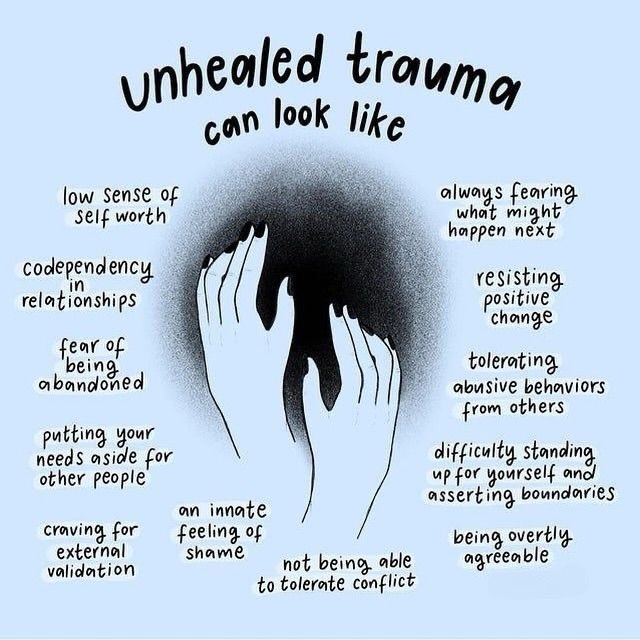
Finding Wholeness In YOUR Story – Your Trauma

Traumas in your life are the very difficult emotions that you processed alone.

Reread that, and think about that for a moment.

.

.

.

A trauma that I have been healing from for the past couple of years now has been my adoption story.

I was adopted into a family with no connection to any of my biological relatives. I felt incredibly alone for many, many years. Discussing my adoption was taboo; it was as if I were an apple tree trying to grow in an orange grove, and nobody ever acknowledged that I was, indeed, different.

It wasn’t until 29 years later that I met any of my biological family. That’s 29 years of trying to process everything by myself. It’s been a journey—a lifelong one—and it still is.

When I had my own child, I truly believed I could finally put my adoption story behind me. I thought I wouldn’t feel so alone anymore. And, in a way, having my daughter did bring healing, but only temporarily.

Then, when my daughter was 10 months old, we fostered and later adopted my sister-in-law’s daughter, who was just one year old at the time. While fostering her, so many repressed emotions resurfaced—emotions I had buried deep within myself for decades. They came flooding back, sending me into a depression. I couldn’t escape my story. I couldn’t escape myself. I couldn’t escape “adoption/adoptee/adopted” And I hated it.

I didn’t want to feel this pain anymore, but I had no idea what to do. I just knew I could no longer ignore this. Now having a new type of adoption story with actually adopting I knew this had to be dealt with. And I knew if I wanted to be the mother that I wanted to be to my children then I had work to do.

Eventually, I surrendered and accepted that this really was a part of my identity—not my whole self, but a huge part of me. And that’s when the healing journey began.

The traumas we experience cannot be erased, but we can learn how to identify and understand them. Only then can we begin to heal from them.

One way to begin healing is by acknowledging what you went through, validating your experience, and sharing it with others. It’s not enough to think about it in silence. You need to talk about it. Take what’s swirling in your mind and articulate it into words.

For years, I thought I was alone, but I’ve learned through my own journey that I never really was. I’ve also learned how many people out there suffer in silence, just as I did.

I want you to know: You are not alone. There’s so much strength in sharing your truth, in finding connection through the pain. Healing doesn’t mean erasing your story; it means finally allowing yourself to be seen, to be heard, and to be whole.

Becoming Mindful Of Your Emotions

Emotions are a natural part of us, but they don’t define our entire being.

I once heard an analogy that made me chuckle: Emotions are like children. You don’t want them driving the car, but you also don’t want to stuff them in the trunk. This humorous but insightful metaphor reminds us of the delicate balance between acknowledging our emotions and letting them take over.

It’s crucial, maybe even vital, to validate our emotions. A simple but powerful step is naming what you’re feeling out loud: “I am angry because I feel like nobody is listening to me in this house.” Saying it out loud gives the emotion space to exist without consuming you. It’s like holding it up to the light and saying, “I see you, and I understand why you’re here.”

Too often, we seek validation for our emotions from others because we haven’t been taught how to validate ourselves. But here’s the truth: no one else can fully understand your inner world the way you do. Learning to recognize and name your emotions helps you build a bridge between feeling and understanding.

When we fail to acknowledge our emotions, they can turn inward, manifesting as self-blame, self-doubt, or even shame. Unchecked, they can become a storm that clouds how we see ourselves and the world. But when we practice self-compassion and emotional mindfulness, we create space for healing and growth.

This practice is also deeply tied to valuing and loving ourselves. When we learn to be gentle with our feelings instead of silencing or avoiding them, we show ourselves the same compassion we would offer to a friend. It becomes easier to navigate life with emotions as our passengers—present and acknowledged but no longer in control.

Emotions, however, can be powerful guides. Each one has something to teach us—if we’re willing to listen. Sadness might remind us of what we cherish or have lost. Anger can show us where our boundaries feel crossed. Joy reveals what brings meaning to our lives. They’re not the enemy—they’re messengers.

By taking this approach, we can steer through life with greater clarity and peace, no matter how strong the waves of emotion may be.

If we do not work on repairing and understanding ourselves, we cannot help repair or understand others.

All behavior makes sense with enough information.”

Reminder: YOU MAKE SENSE.

When You Grieve

We don’t just grieve when a loved one dies. Though many feel that’s the only time we are “allowed” to grieve, the truth is that grief appears in so many forms. Grief is, at its heart, a deep sadness; one we feel in countless ways throughout our lives.

We grieve over friendships that were once intertwined so tightly but have now lost their elasticity.

We grieve over romantic relationships, mourning what they once were and what they will never be again. It’s like a glass of water being spilled; once it’s spilled, it can never be a glass of water again.

We grieve over growing up, over life’s truths being revealed. We mourn our ignorance and innocence in ways we don’t often speak about.

We grieve over our children—their independence, their struggles, the way we cannot protect them from everything, no matter how much we wish we could.

We grieve over past versions of ourselves, searching for the joy or energy we once had and feeling unsure if we’ll ever get it back, no matter how many books we read or podcasts we listen to.

We grieve over our bodies that have changed, over the capabilities we once had but can no longer reach.

We grieve over change itself, in all its forms whether we asked for it or not.

It’s okay to grieve. I want to remind you that you are never alone in this. Walking through the woods of grief is often a silent journey, one we take while the outside world continues on, oblivious. You may feel like you have to navigate it by yourself, but I promise, others have walked this path, too.

I wish I had a universal answer for how to get through grief. I really do.

What I can tell you is that it isn’t a straight line. Some days, you’ll feel fine, even hopeful. And then, out of nowhere, grief will show up like an unexpected visitor—one who arrives uninvited and unannounced, leaving you unprepared.

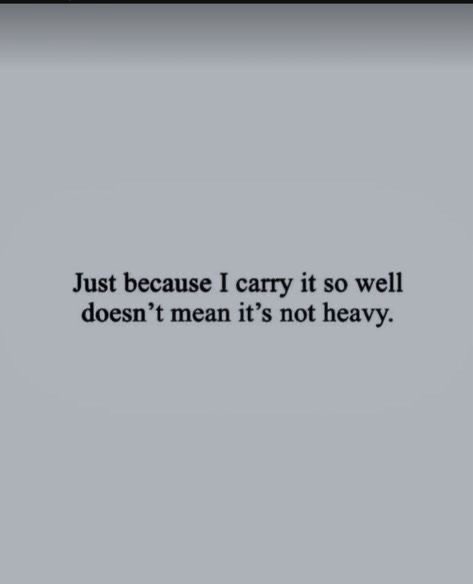
In those moments, be gentle with yourself. Grief isn’t something to “fix” or “finish.” It’s something to feel and carry until it lessens its weight. Grief may never truly leave, but over time, you may find it settling into the corners of your heart, leaving space for other things; hope, love, and even joy.

Grief is the echo of something meaningful, a reminder of how deeply we’ve loved, how deeply we’ve lived. And while it’s heavy, it’s also proof that you’re human, that you’ve cared, that you’re still here; growing and walking forward, one step at a time.

Give yourself permission to grieve. Give yourselves permission to cry. Give yourself permission to close off the world for a bit. Give yourself permission to not have to explain. Give yourself permission to heal. Give yourself permission to not be okay.

Your Truth May Not Be The Same For Another

I was listening to a podcast recently, and the host shared an interesting perspective: he believed that life often makes us repeat certain patterns or lessons until we finally “get it.” It was a humbling realization for him, but his guest gently challenged him, saying, “That might be true for you, but it doesn’t mean it’s the truth for everyone.”

This idea really struck me. How often do we assume that what feels true for us must automatically apply to everyone else?

It reminded me of a story I came across that perfectly illustrates this idea:

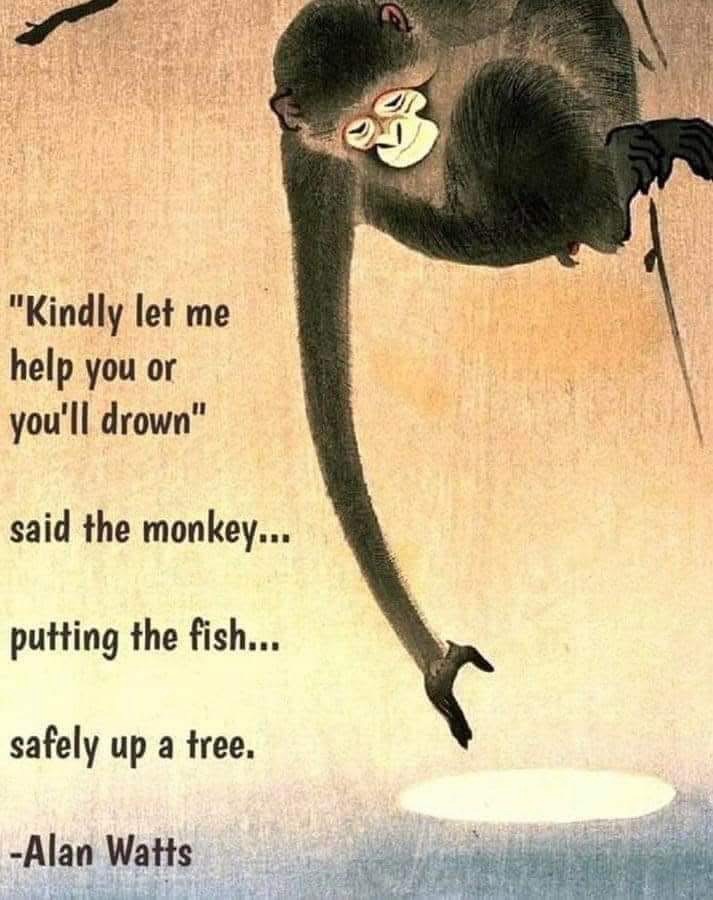
There was a monkey who lived in a forest tree by a river. One day, the monkey saw a fish swimming in the river and thought the fish was struggling. Feeling compassionate, the monkey resolved to save it. It climbed down the tree, scooped the fish out of the water, and placed it gently on a branch. The fish flapped violently and soon died. The monkey was heartbroken and confused—it had only wanted to help.

This story offers such a powerful lesson. The monkey, out of good intentions, misjudged the situation because it viewed the fish’s needs through its own perspective. It assumed that what was natural and necessary for itself—living on land and breathing air—must also apply to the fish. In trying to help, the monkey unknowingly caused harm, simply because it didn’t take the time to truly understand the fish’s environment and needs.

How often do we, with the best intentions, do the same? We may impose our beliefs, values, or ways of living onto others, assuming they must see the world as we do. But the truth is, each of us is shaped by our unique environment, experiences, and perspective. What feels like “truth” for one person may not resonate at all for another.

This story invites us to step back and ask: Am I truly understanding someone else’s experience, or am I projecting my own onto them? Am I listening, or am I assuming?

The beauty of the world lies in its diversity—not just in nature but in thought, belief, and experience. By cultivating empathy and recognizing that we all have our own “water” or “land” to thrive in, we can approach others with a deeper sense of understanding and respect.

Next time you’re tempted to “help” someone or share what you think they need to hear, pause. Consider whether you’re seeing their life through their eyes—or through your own.

Because the truth is, your truth may not be the same truth for another.

Invisible Hands Everywhere

Everything has roots—everything.

Think about a tree for a moment. You see its sturdy trunk, sprawling branches, and vibrant leaves. But the roots? Hidden beneath the surface, they work tirelessly, anchoring and feeding the tree. The meals we eat every day are no different—each one has roots, invisible yet essential.

Take your next meal, for example—perhaps eggs and toast. At first glance, it’s just breakfast. But look closer. Behind that plate lies a network of effort and care. The farmers who gathered the eggs, the workers who milled the grains, the drivers who transported the ingredients, the cashiers who stocked the shelves—all of them played a role in bringing it to your table.

We often think of eating as a solitary act, but it’s anything but. Every bite connects us to countless others.

One morning, as I sat down to eat, this thought hit me. My meal, as simple as it was, had been touched by so many hands. People I’d never met had spent their time and energy to make it possible. I couldn’t help but feel grateful. The awareness of those invisible hands changed my perspective.

We live in a world where convenience often overshadows connection. Food appears so effortlessly that it’s easy to forget the work behind it. But when you take the time to see the roots—the people, the processes, the labor—it deepens your appreciation.

Every hand belongs to someone with their own struggles, joys, and dreams. Thinking about this transforms an ordinary act into a moment of connection and gratitude.

The next time you eat, pause for a moment. Consider the roots of your meal. Think about the farmers, the drivers, the stockers, and everyone in between. When you acknowledge these invisible hands, even a simple meal becomes extraordinary.

This mindfulness reminds us that we’re never truly alone. Behind every bite is a story of shared humanity, and with it, a reason to be thankful.

Be The Person You Want To Have In Your Life

“Would you like you, if you met you?”

Well, would you?

It’s important to pause and reflect on this from time to time. Self-evaluation is necessary, and it’s not just about the big things, it’s about everything. Your interactions, your responses, your reactions, your actions, and your words.

What kind of person do you want in your life? The good news is that you can be that person. You can choose to embody the traits you admire, the support you need, and the love you want to receive.

You can even become the person you wished you’d had in your life but didn’t.

When there’s no sunshine, you can choose to be the sunshine.

Of course, you’re still going to fall. You’re going to make mistakes. But the key is to own those mistakes, admit them, and learn from them. Nobody expects perfection because perfection isn’t human. What matters is that you’re trying your best.

Strive to be that amazing version of yourself, not just for you but for the people around you. Whether you realize it or not, there are people watching you, looking to you, and depending on you.

Be the best example you can be. And when you stumble, admit it. Swallow your pride and push forward. Accepting yourself, is accepting others.

This life isn’t meant to be navigated alone. We’re in it together. There will always be challenges and hardships, but don’t let the weight of the world harden you. Choose joy. Be the hope. And most of all, be the kind of person you’d want to meet.