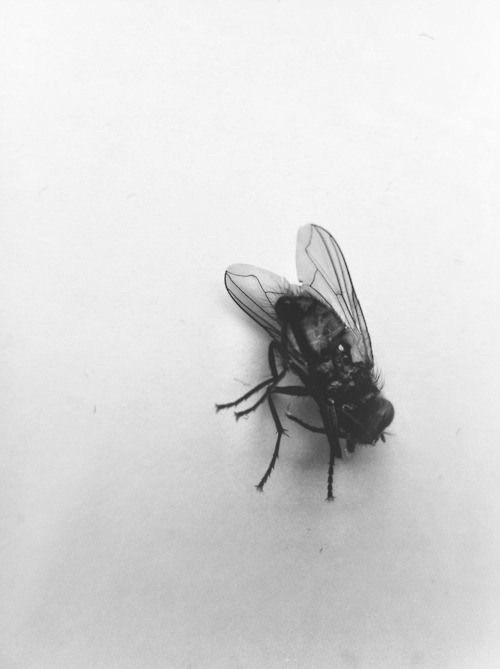
Flies are easy to dislike, but they’re actually doing a lot of quiet, essential work in the background of life. If you shift the lens just a little, they start to look less like annoyances and more like tiny recyclers keeping the world moving.
First, they’re nature’s cleanup crew. Many flies, especially species like the housefly, feed on decaying organic matter. That means they help break down dead plants, food waste, and even animal remains. Without them (and organisms like them), the world would literally start piling up with decay.
They’re also surprisingly important for pollination. We always think of bees, but flies visit flowers too, transferring pollen as they go. Some plants actually rely heavily on flies to reproduce.
Then there’s their role in the food chain. Flies are a major food source for birds, frogs, spiders, and other insects. So even if they feel small and insignificant, they’re supporting entire ecosystems.
And here’s one people don’t think about much: flies help with nutrient recycling. By breaking things down, they return nutrients to the soil, which helps plants grow. It’s like they’re part of this invisible loop—nothing wasted, everything transformed.
If you want a more metaphorical way to see them:
flies are reminders that even the parts of life we resist have a role. They move toward what we avoid—decay, mess, endings—and turn it into something that feeds new life. There’s something almost poetic in that.
You don’t have to love them hovering around your food—but maybe you can see them as little workers in a much bigger system, doing a job most of us wouldn’t want to do.
Here are some ways to keep flies out without harming them:
1. Open the “exit door” strategy
When a fly gets in, open a window or door and turn off indoor lights if it’s daytime. Flies naturally move toward light, so they’ll often find their way out on their own.
2. Use a simple catch-and-release
Grab a cup and a piece of paper. Gently place the cup over the fly, slide the paper underneath, and carry it outside. It’s quick, and once you get the hang of it, surprisingly easy.
3. Make your home less inviting
Flies, like the housefly, are drawn to food smells and moisture.
- Keep fruit in the fridge or covered
- Take trash out regularly
- Wipe down counters after meals
You’re not fighting them—you’re just removing the invitation.
4. Natural scent deterrents
Flies dislike certain smells. Things like basil, mint, lavender, or eucalyptus near windows can help discourage them from coming in.
5. Gentle airflow
A fan near entry points can help—flies aren’t strong fliers, so moving air makes it harder for them to settle inside.


