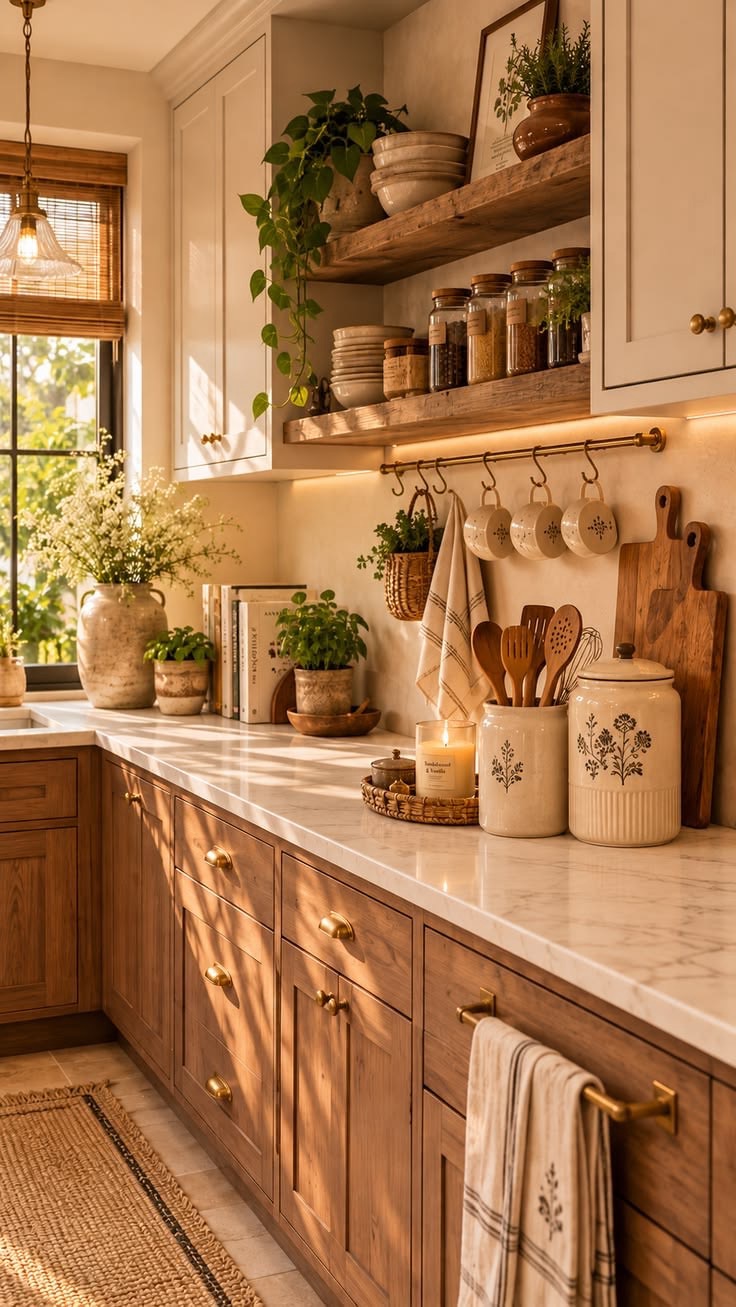
Small swaps for a more mindful, low-tox lifestyle.
Creating a healthier home doesn’t mean throwing everything away or replacing every product you own. It’s about becoming more intentional with the things we use every day, what we bring into our homes, and the products we put on and around our bodies.
The goal isn’t perfection. It’s progress, one small swap at a time.
Here are 50 simple ways to begin making your home and everyday routines a little more toxin-conscious.
In the Kitchen
- Swap plastic food storage containers for glass.
- Use wooden or stainless-steel cooking utensils.
- Choose stainless-steel cookware for everyday cooking.
- Consider cast iron for searing and high-heat cooking.
- Use ceramic or ceramic-coated cookware from reputable brands.
- Replace plastic cutting boards with wooden ones.
- Store drinking water in glass or stainless-steel bottles.
- Choose glass or stainless-steel electric kettles.
- Store spices in glass jars.
- Use beeswax wraps or reusable food covers instead of plastic wrap when practical.
Cleaning and Laundry
- Choose fragrance-free laundry detergent.
- Replace dryer sheets with wool dryer balls.
- Use microfiber or reusable cotton cloths instead of disposable wipes.
- Choose simpler cleaning products with transparent ingredient lists.
- Reduce the use of heavily fragranced sprays.
- Open windows when cleaning to improve ventilation.
- Avoid mixing cleaning products, especially bleach and ammonia.
- Use a HEPA air purifier when appropriate.
- Air-dry laundry when practical.
- Be mindful of how much product you use. More isn’t always better.
Beauty and Personal Care
- Simplify your skincare routine.
- Choose fragrance-free lotions if you have sensitive skin.
- Consider mineral sunscreen.
- Look for personal-care products with transparent ingredient lists.
- Use reusable cotton rounds.
- Choose fragrance-free menstrual products if preferred.
- Ventilate your space when using nail polish or other strong-smelling products.
- Consider cotton or other natural-fiber hair accessories.
- Choose towels made from cotton or other natural fibers.
- Remember that aluminum-free deodorant is a personal preference, not a requirement for safety.
Around the Home
- Take your shoes off at the door.
- Vacuum regularly, ideally with a HEPA-filtered vacuum.
- Choose natural-fiber rugs and curtains when practical.
- Look for solid wood furniture and lower-emission finishes.
- Reduce the use of heavily scented candles and air fresheners.
- Let fresh air circulate throughout your home when outdoor air quality is good.
- Test your home for radon where appropriate.
- Keep functioning carbon monoxide detectors in your home.
- Choose lead-safe dishes and cookware, especially when purchasing vintage or imported pottery.
- Be mindful of stain-resistant and water-resistant treatments that may contain PFAS.
Food and Everyday Habits
- Eat a variety of whole foods.
- Buy organic produce when it makes sense for your budget and priorities.
- Wash fruits and vegetables under running water.
- Grow a few of your own herbs.
- Choose loose-leaf tea or tea products from brands that disclose their materials.
- Use glass containers for meal preparation and food storage.
- Reduce single-use plastics when practical.
- Choose fluoride toothpaste for cavity prevention.
- Filter your drinking water based on your local water quality and the contaminants you want to reduce.
- Spend more time outdoors when the air quality is good.
Start Small, Stay Consistent
Living a more toxin-conscious lifestyle doesn’t have to be overwhelming or expensive. You don’t need to replace everything in your kitchen, bathroom, or home overnight.
Start with the things you use most often. Maybe that’s switching to glass food containers, choosing a fragrance-free laundry detergent, or replacing a few plastic cooking utensils with wood or stainless steel.
And remember, natural doesn’t automatically mean safe, just as synthetic doesn’t automatically mean harmful. Pay attention to materials, product quality, and how things are intended to be used.
The intention is not to live in fear of our surroundings. It’s to become more aware of them.
Small changes add up. A healthier home is built through thoughtful choices, not perfection.