5 Things For Fun

List five things you do for fun.

5 Main Things I Do For Fun

  1. going out to dinner/brunch with the gals
  2. I just recently bought a ukulele that’s been really fun and random lol (so maybe for fun—learning/trying something new)
  3. Yoga with some good music (FKJ—check him out)
  4. Family getaways (to the beach or the lake are my fav)
  5. read/write/listening to podcasts

Things My Kids Enjoy (just for fun)

  1. Blowing out matches and candles (my son age 2–I really do have to hide the matches and candles in our home)
  2. Roblox (my two oldest daughters love this game)
  3. Rollerskating (my kids skate in the house, they love jumping with them on the trampoline. They just love rollerskating)
  4. Hanging out with friends (all of them)
  5. They all also get a thrill out of pissing each other off.

5 Little Things I Do For Fun

  1. Whistle any great chance I get (like at a school function/performance or at a game or whatever. I can whistle really loud with my fingers so when I can show off I enjoy it lol)
  2. Cut my Kids sandwiches into a heart with a heart shaped cookie cutter. (It’s just cute and they enjoy it)
  3. Even though I’m a grown up, I enjoy pretending. (An example would be I’ll be driving in the car and pretending that I’m on a talk show or something like that haha!)
  4. Reading comments on posts. Sometimes the comments are just the best and have me laughing so hard!
  5. Saying something silly, making a silly face, doing something silly……for fun I like to make people smile. 🙂

The Benefits Of Talking To Yourself In *Third Person*

Talking to yourself in the third person, also known as distanced self-talk, can offer several psychological and emotional benefits. This technique involves referring to yourself by your name or as “you” rather than “I” when thinking or speaking about your emotions, decisions, or challenges. Here’s how it helps:

1. Emotional Regulation

• Talking to yourself in the third person can create psychological distance between you and your emotions, which helps you better manage intense feelings like anger, anxiety, or sadness.

• Example: Saying, “Why is [your name] feeling so stressed right now?” instead of “Why am I so stressed?” can help you analyze the situation more calmly.

2. Improved Decision-Making

• Referring to yourself in the third person promotes objectivity and clearer thinking because it encourages you to view your situation as if you were giving advice to a friend.

• This can reduce impulsive reactions and help you make more rational choices.

3. Enhanced Self-Compassion

• It can make it easier to speak kindly to yourself. For example, saying, “You’re doing your best, [your name],” feels more supportive and less self-critical than “I’m doing my best.”

4. Better Problem-Solving

• Viewing your problems from an outsider’s perspective allows you to see the bigger picture, which can make solutions more apparent.

• Example: “What does [your name] need to do to move forward?”

5. Reduced Stress and Anxiety

• Studies suggest that this type of self-talk can calm your mind during stressful situations by shifting your focus from feeling overwhelmed to thinking constructively.

• Example: Before a big presentation, saying, “You’ve prepared for this, [your name], and you’ll do great,” can ease nerves.

6. Boosted Confidence

• Encouraging yourself in the third person can feel like receiving support from someone you trust, which can be particularly helpful before tackling challenges or when self-doubt creeps in.

7. Strengthened Resilience

• By separating yourself from negative self-talk patterns, you can reframe setbacks and focus on growth and learning rather than dwelling on failures.

Practical Tips to Try It:

• Use third-person self-talk during moments of stress, decision-making, or self-reflection.

• Try writing journal entries in the third person for deeper insights.

• Speak to yourself as if you were a compassionate coach or friend.

This simple shift in language can have a profound impact on your emotional well-being and mental clarity. It’s a powerful tool for building self-awareness and inner strength!

Dry Brushing—Have You Tried It?

Dry brushing is a skincare technique that involves brushing your dry skin with a firm-bristled brush, usually before showering. It’s believed to improve the appearance and health of your skin and provide additional benefits for your body.

Benefits of Dry Brushing:

1. Exfoliation: Removes dead skin cells, leaving your skin smoother and softer.

2. Improved Circulation: Stimulates blood flow, which can give your skin a natural glow.

3. Lymphatic Drainage: Helps promote the movement of lymph, which may support detoxification.

4. Reduced Appearance of Cellulite: Some people believe it temporarily smooths and firms the skin, though this is not scientifically proven.

5. Energizing: The process can be invigorating and help you feel more awake.

How to Dry Brush:

1. Choose a natural-bristle brush with a firm but not harsh texture.

2. Start at your feet and brush upward toward your heart using long, gentle strokes or circular motions.

3. Move to your arms, starting at the hands and working toward the shoulders.

4. Brush your stomach and back using circular motions.

5. Shower afterward to rinse off exfoliated skin.

6. Moisturize your skin to lock in hydration.

Tips and Precautions:

• Avoid brushing sensitive or broken skin (cuts, rashes, or sunburns).

• Do it 2–3 times a week to avoid irritation.

• Clean your brush regularly to prevent bacteria buildup.

Dry brushing feels great and can leave your skin glowing, but it’s important to be gentle to avoid causing damage.

Where Do We Draw The Line?

Recently, I watched the movie Coraline and a YouTube video on Taoist philosophy, and both left me reflecting deeply on human nature and our constant craving for more.

In Coraline, the children lost their souls, not because they didn’t have enough, but because even when they were given everything they desired, it still wasn’t enough. A chilling thought, isn’t it? This dark and haunting animation earned an Oscar for a reason—it shines a light on something real and unsettling within us. (I throughly enjoyed this thought provoking movie.)

Similarly, the Taoist philosophy video explored how this endless quest for “more” leads to stress, burnout, and withdrawal from peace. Or, like in Coraline, it can even cost us our souls—though perhaps not in a literal sense, but in how we lose touch with ourselves, our purpose, and what really matters.

Do you see the connection?

So, where do we draw the line? When do we step back and say, “I’m good. I have enough.”

I believe awareness is the first step. Developing an awareness of these traps—this cycle of more, more, more—can help us catch ourselves before we fall deeper into it. But awareness isn’t always enough. We need something more substantial: an armor to protect us from the constant pull of these traps.

How do we build that armor? Honestly, I wish I had a straight answer. But what I do know is this: it starts with doing the inner work. Looking at yourself—really seeing yourself. Asking the hard questions about what you truly need versus what you’re chasing out of habit, pressure, or comparison.

It’s not easy. It’s uncomfortable, messy, and often takes time. But I believe learning to “draw the line” isn’t just something we need—it’s something we all deserve. A chance to reclaim our peace, to step off the hamster wheel, and to say, “This is enough.”

(YouTube video in case you’re interestedclick here )

Higher Power Type Of Love

Can you share a positive example of where you’ve felt loved?

One of those questions where you know you’re about to be vulnerable.

I felt a lot of love growing up, but not from my parents from what you may be thinking.

I knew my parents loved me. But it’s an entirely different thing to feel it.

From a young age, I knew and felt that I was loved. From something greater than myself. I still feel this love in a way but it was very strong as a child.

I was adopted with no connection to any biological family and my adoption was never discussed. Long story short, I felt alone for a very very long time. Still healing from this trauma. (I’m getting so annoyed with that word).

But even when I felt alone. I knew I was loved. I knew I had love in me. I felt guided by it.

I remember even telling people that I feel loved. That, “….I can’t explain it….”

Like…….. it’s like when you can smell something so yummy, but you have no idea where the scent is coming from. You go to the kitchen where you would think you would find what is releasing this delicious aroma but it’s not there. So you just search and search, you know you’re not crazy because you smell it! It’s there! You just can’t find it.

That’s kinda like the love I felt/feel. I don’t know where it’s coming from. But I know it’s always been there for me and that it will be okay.

Not just for me, but for everyone.

Paperwork…..UGH

Where can you reduce clutter in your life?

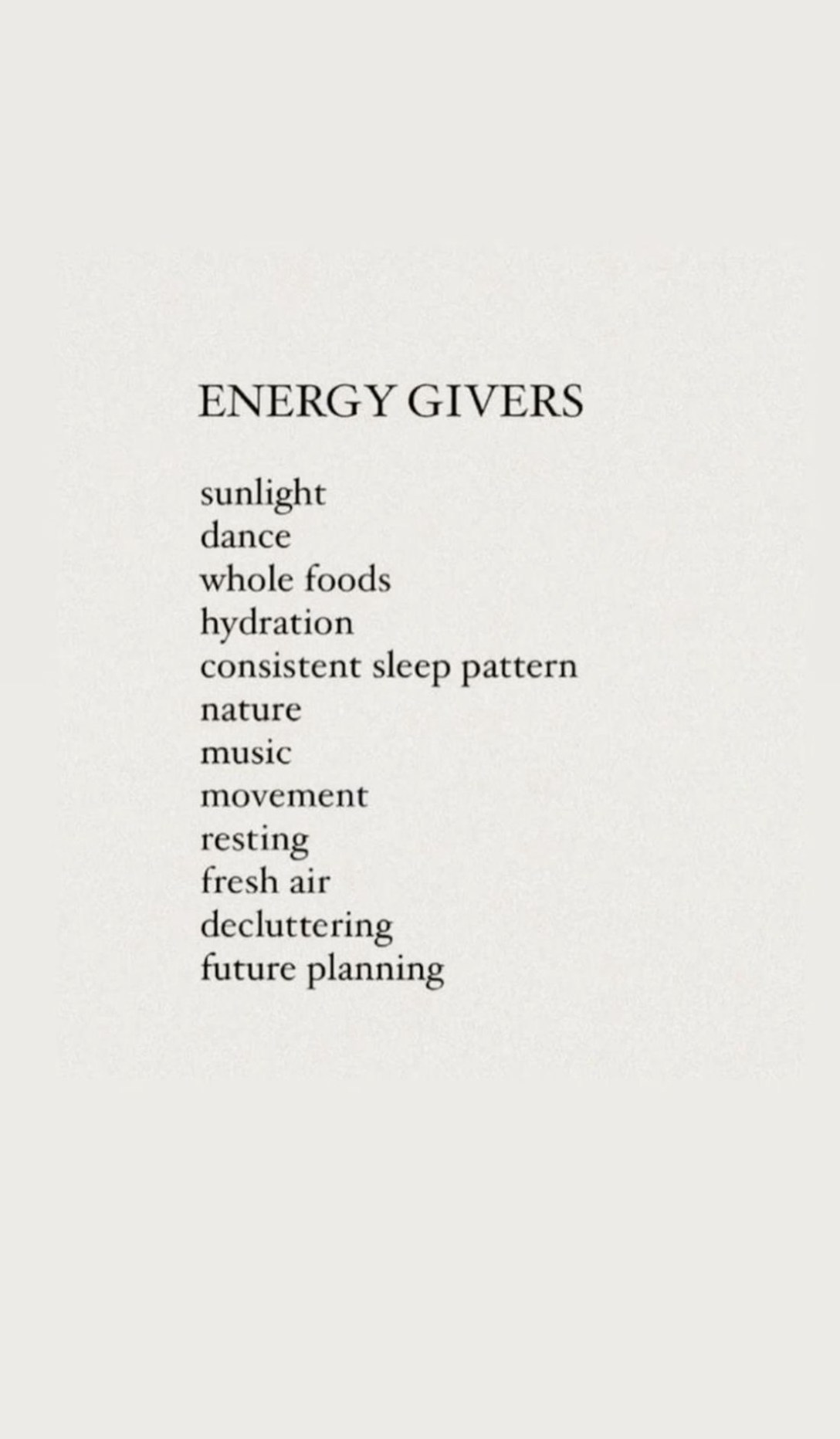
I love decluttering.

There is something so rejuvenating about getting rid of things. A cleanse of some sort.

Currently where I really need to declutter is our master room closet. I’ve been decluttering so many others things (my kids clothes and toys) but have yet to do the closet.

Why do we do that? We look for so many other things to do to avoid what we really need to do.

It’s like a paradox of some sort. And I know I’m not alone in this.

I organized all my Tupperware and pots and pans the other day……….

That really did need to get done. But again, it’s because I just don’t want to do the damn closet.

And maybe you’re asking, well why not? I’ll tell you why,

It’s full of PAPERWORK and School Projects and what not.

So now do you kinda get it?

Cheating Is Not The Way

Have you ever cheated on a test before? I have—more times than I’d care to admit. There’s one particular instance in high school I’ll never forget. I was copying a friend’s answer to a question about food safety, and her response was, “When in doubt, throw it out.” Makes sense, right?

Well, I mindlessly wrote, “When in doubt, pull it out.” Facepalm. I wasn’t even paying attention to what I was writing—I just copied without thought.

The teacher called me up to the desk and had me read my answer aloud. I was mortified. Thankfully, I had a sense of humor, even back then, so I was able to laugh at myself. But that moment stayed with me because it taught me something deeper about the value of truly learning.

When you cheat, you’re not really learning or engaging. You’re just skating by, collecting answers without understanding the questions. Sure, you might pass the test and move on to the next level, but sooner or later, you’ll find yourself lost and wishing you had put in the effort to learn the material.

Life, in many ways, is a test. Every challenge, every struggle, every moment of uncertainty is part of the curriculum. And God, as our ultimate teacher, doesn’t just hand us the answers. Instead, we’re equipped with an inner compass—a moral guide—to navigate this test of life. That inner guidance helps us grow, reflect, and savor the victories when we earn them.

If we were simply handed all the answers, we wouldn’t understand their significance. The struggle to figure things out, to fail, and to try again is what shapes us. It’s what gives life its richness and depth.

So don’t cheat your way through life. Don’t be afraid of the “bad grades,” the setbacks, or the moments when you feel utterly clueless. These moments aren’t failures—they’re lessons. They’re the building blocks of wisdom and resilience.

Take the test of life with open eyes, an open heart, and a willingness to learn. Because the journey is the real reward. At least that’s what they say.