Be Like A Child

Life knocks you down. Life knocks you down hard. If we let it, life can harden our hearts, making us cynical and negative. Worry and doubt become our closest companions. We lose touch with the child within—the one who is resilient, carefree, and eager to embrace life’s joys.

Yes, life is full of pain, but it’s also filled with miracles. As we become more aware of life’s tragedies, anxiety often takes root, stealing the laughter from our days. Fear becomes a shadow over our joy.

Be like a child. Seek joy, even when life brings you to your knees. Let yourself find wonder, even in the smallest things, and keep the spirit of resilience alive within you.

Remember, in each day, there are small moments of beauty and magic waiting to be found. Embrace them, and let them soften your heart.

Develop Friendships With Those Who Believe Differently

We often become upset with those who don’t share our beliefs. But each of us is on a unique path, shaped by different experiences that give us our own views of the world.

Instead of pushing away those who see things differently, try befriending them. Talk to them, learn their story, and listen to why they believe what they do. When we open ourselves to different perspectives, we may even begin to see the world with more compassion and understanding.

I believe everything is connected in some way, and there’s something valuable to learn from every perspective. The beauty of having friends with different beliefs is that it challenges us. And sometimes, when our beliefs are tested, we become even stronger in what we stand for. It deepens our understanding and strengthens our spirit.

Seek out those who bring new light and layers to what you thought you knew. Let each new connection add depth to your world, knowing that every encounter holds a gift, if we’re open enough to receive it.

Lessons Are All Around Us

There is something we can learn from everything.

There was a moment when my children were younger, and we were watching The Cat in the Hat on PBS Kids. The Cat asked, “What makes a bird a bird?”

You might think the answer would be the ability to fly, but that’s not quite right. Penguins are birds, and they can’t fly.

The answer is actually feathers. That’s what sets them apart.

This got me thinking: What makes a human a human? It’s something to ponder.

I loved that I learned something or that my curiosity was sparked by something as simple as a quote from a kids’ show.

What I learned from that was that sometimes, what seems obvious at first has extra layers waiting to be discovered—or an answer to a question might seem obvious, only for you to realize it’s not the answer you thought.

Lessons are like that—they keep revealing themselves over time. For example, when you rewatch a movie or reread a book, you often pick up on something new you didn’t notice before.

But it’s not just books or movies—lessons are all around us. They can be found in nature, in conversations, in the innocent perspective of a child, or even in a kids’ show. Each lesson we learn shapes our actions and attitudes, creating a ripple effect.

Just as a small act of kindness can spread and inspire others, the lessons we internalize can encourage us to uplift those around us, making a meaningful difference in the world.

The key is to stay open, curious, and willing to learn, even from the simplest things.

Sometimes life teaches us in whispers, and it’s up to us to listen.

peace, love, & light

mg

Be Grateful For Each Day

Every day is a gift.

We’ve all heard that before, right?

But I want to emphasize that every day truly is a gift.

Things can happen—unexpected things. They do happen, and they will continue to happen. And yes, they can happen to you too.

This is life.

We need to let go of the mindset that we are better than anyone else. I mean, anyone.

Each of us has a story; every human has faced challenges.

To think that scary, unexpected events won’t touch you is an illusion.

We must recognize that each day is as fragile as the next and acknowledge how desperately we need one another.

Don’t let the petty things ruin your day.

Treat each day as the gift that it truly is.

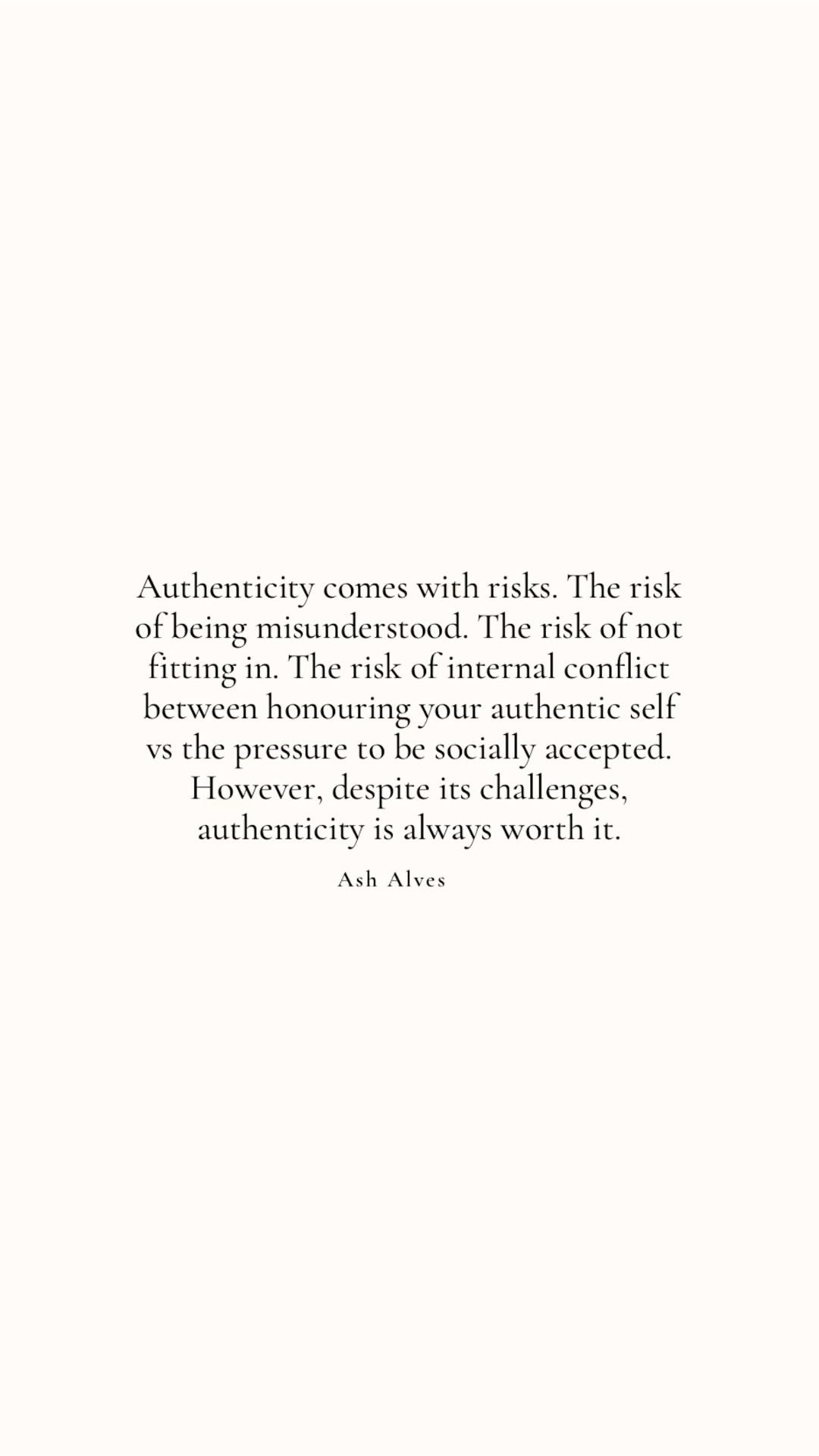
Figure Out “YOUR TRUTH”

Figuring out your truth and what you genuinely want can be a deeply personal and ongoing journey. It’s not uncommon to feel clear about your desires, only to have them shaken when exposed to external influences, especially social media. Here are some steps that might help you ground yourself in your truth:

1. Create Space for Reflection

When life gets busy or overstimulating, it becomes hard to hear your inner voice. Setting aside regular, quiet moments for reflection—whether through journaling, meditation, or even walks in nature—can help you reconnect with your deeper self. In these moments, ask yourself:

• What feels authentic to me?

• What activities, people, or ideas make me feel alive?

• What do I naturally gravitate toward when I’m not comparing myself to others?

2. Listen to Your Body and Emotions

Your body often holds the key to your truth. Pay attention to how you physically and emotionally react to different ideas, situations, or possibilities. When something aligns with your truth, you may feel lighter, energized, or excited. When something is out of alignment, you might feel heavy, tense, or anxious. Trust those signals.

3. Limit External Noise

Social media can easily cloud your perception of yourself, as it constantly exposes you to the lives and opinions of others. You might see what others have or desire, and it can create doubt or envy. Consider setting boundaries with how much time you spend on social media. When you do engage, practice mindful consumption: ask yourself why a certain post affects you and whether it aligns with what you value.

4. Define Your Core Values

Knowing your core values is essential in figuring out your truth. Ask yourself:

• What are the non-negotiables in my life?

• What principles do I live by, regardless of what others are doing?

Once you’ve defined these values, check in with them regularly to see if your desires and goals align with them. This helps you stay true to yourself even when external influences are strong.

5. Embrace the Fluidity of Your Desires

It’s okay for your wants and desires to change over time. Sometimes we fear that changing our minds means we don’t know ourselves, but growth often brings new perspectives. Give yourself permission to evolve, and trust that each phase is part of discovering your deeper truth.

6. Differentiate Between Ego Desires and Soul Desires

Ego desires often come from a place of external validation, comparison, or fear of missing out (FOMO). Soul desires, on the other hand, tend to be quieter but more persistent. They resonate with your deeper purpose and bring a sense of peace or fulfillment. When considering what you want, ask yourself:

• Am I wanting this because it feels true to me, or because it’s what I think I should want?

• Does this desire nourish my spirit, or does it come from seeking approval or fitting in?

7. Trust Yourself

Even though social media and external influences can be overwhelming, your inner compass is still there. Trust that you have the wisdom to discern what feels right for you. When in doubt, return to practices that ground you—yoga, meditation, or connecting with nature—and let that stillness help you reconnect to your truth.

Your journey of finding your truth might be connected to your self-care and yoga practices, allowing you to tune into your inner wisdom beyond the noise. Social media can offer inspiration, but your deepest answers lie within.

8 Benefits to MINDFUL BREATHING

1. Reduces Stress and Anxiety: Mindful breathing activates the parasympathetic nervous system, calming the body and lowering stress hormones like cortisol.

2. Enhances Focus and Clarity: By focusing on your breath, you quiet the mind and improve concentration, making it easier to stay present and focused.

3. Improves Emotional Regulation: It helps you respond to emotions with awareness, giving you more control over your reactions instead of being overwhelmed.

4. Lowers Blood Pressure: Slow, deep breathing can help lower blood pressure by relaxing the blood vessels and improving circulation.

5. Boosts Self-Awareness: It increases awareness of your thoughts, emotions, and physical sensations, promoting a deeper connection with yourself.

6. Supports Better Sleep: Practicing mindful breathing before bed can calm the mind and body, making it easier to fall asleep and enjoy restful sleep.

7. Increases Energy Levels: Deep breathing improves oxygen intake, which helps energize the body and mind, leaving you feeling refreshed.

8. Promotes Mind-Body Connection: It fosters a stronger connection between your physical sensations and mental state, which can lead to greater overall well-being.

Mindful breathing is simple yet powerful—regular practice can bring profound benefits for both mental and physical health.

Why Is Learning To LOVE OURSELVES So Hard

Learning how to love ourselves can be challenging for several reasons, often tied to deeply rooted beliefs, societal influences, and personal experiences. Here are some of the key reasons why self-love can be so difficult:

1. Cultural and Societal Conditioning

• Many societies emphasize external validation and achievement, leading us to base our self-worth on how others perceive us or on meeting certain societal standards. This can create a sense that our value is conditional, making it hard to truly love ourselves unconditionally.

2. Negative Self-Talk and Inner Critic

• We often have an internal dialogue that’s far harsher than how we speak to others. This inner critic, fueled by past experiences or insecurities, can make us focus on our perceived flaws, failures, or inadequacies, overshadowing our strengths and worthiness.

3. Unresolved Past Trauma

• Experiences of trauma, rejection, or abandonment—especially in childhood—can deeply affect our ability to love ourselves. These experiences can create deep-seated beliefs that we are unworthy of love or that we have to earn it through certain behaviors or achievements.

4. Fear of Egoism or Narcissism

• Many people fear that loving themselves will come across as selfish or narcissistic. There’s often a misunderstanding between healthy self-love and egoism, leading some to suppress their self-appreciation to avoid being perceived negatively by others.

5. Comparison Culture

• With the rise of social media, comparing ourselves to others has become even more pervasive. Constant exposure to idealized images and lifestyles can lead to feelings of inadequacy, making it harder to appreciate and love ourselves as we are.

6. Conditioned Beliefs About Worthiness

• From a young age, many of us are conditioned to believe that love and worthiness must be earned through good behavior, success, or pleasing others. These beliefs can make us feel that we are only worthy of love under certain conditions, which complicates the journey to self-love.

7. Fear of Vulnerability

• Truly loving ourselves requires facing and accepting our vulnerabilities, imperfections, and past mistakes. This process can be uncomfortable and scary, as it involves confronting aspects of ourselves that we may have avoided or denied for a long time.

8. Lack of Role Models

• If we didn’t grow up seeing examples of healthy self-love, it can be difficult to know what that even looks like. Without role models who practice self-love, we might struggle to develop it ourselves.

9. Overemphasis on External Achievement

• Society often prioritizes success, productivity, and external accomplishments over inner well-being. This focus can lead us to seek validation from achievements rather than from within, making it harder to develop a sense of self-love that isn’t tied to external outcomes.

10. Difficulty in Accepting Ourselves as We Are

• We are often our own worst critics. Accepting ourselves with all our flaws, imperfections, and mistakes can be challenging, especially when we hold ourselves to unrealistic standards of perfection.

11. Deep-Seated Guilt or Shame

• Guilt and shame, often stemming from past actions or internalized beliefs, can block self-love. These emotions can be powerful and difficult to overcome, making it challenging to feel deserving of love and compassion.

12. Need for External Validation

• We often seek validation and love from others, which can become a substitute for self-love. When we rely too heavily on others for our sense of worth, it becomes difficult to cultivate an internal sense of self-love.

13. Complexity of Self-Discovery

• Self-love requires self-awareness and understanding, which involves delving into our true selves, including our desires, needs, and values. This journey of self-discovery can be complex and uncomfortable, making self-love harder to achieve.

14. Societal Norms Around Self-Sacrifice

• Many cultures glorify self-sacrifice, especially in roles like parenting or caregiving, where putting others’ needs before your own is often expected. This can lead to neglecting self-care and self-love, as it’s seen as less important than caring for others.

Learning to love ourselves is a journey that requires patience, self-compassion, and often unlearning old beliefs and patterns. It’s a process of gradually building a healthier relationship with ourselves, where we can appreciate our own worth, embrace our flaws, and treat ourselves with the kindness and understanding we deserve.


Make Time For Things You Enjoy

As a child fun seems to always be at reach. It’s tangible. It’s free. It’s easy. Children can find joy in the littlest of things. The spark they gather in their eyes is pure magic.

As we get older life happens.

The colors that were once so vibrant in our life begin to fade. No longer are we new, we’ve developed cracks and have broken pieces that we don’t know what to do with.

It’s so important, it’s so necessary, it’s vital I would say to bring that inner child back to life as we age.

Fun needs to become a priority and we have to make time for it as crazy as that is.

I have to make time for fun?”

ONE HUNDRED PERCENT YES!!!

The more we incorporate the things we once enjoyed as children believe it or not those dull colors in your life become bright once again.

Maybe those colors never went dull to begin with, the light was just on a dim setting.

And those broken pieces? Let fun be the super glue.

You deserve to laugh, you deserve to smile, you deserve to feel joy in our life.

Make that time.

Xox marieelizabeth

10 Questions About STRESS Answered – Gaining More PEACE In Your Life Gives More PEACE To Others

First of all I want to acknowledge this awesome photo who I wish I knew who to give the credit to. I love how it depicts stress. We can appear calm but be fuming on the inside where it feels like our heads are actually on fire and we are covered in dark, heavy smoke.

We may be so use to the smoke that it’s just become apart of our day to day life. With this blog I want to extinguish some of that fire and help you to see through the smoke.

Your heads still going to catch on fire from time to time let’s be honest but maybe we can make a fire extinguisher more accessible for you and for others.

10 Questions About STRESS Answered – Gaining More PEACE In Your Life Gives More PEACE To Others

1. First of all what is stress? How is it defined?

Stress is a feeling of emotional strain and pressure. Stress is feeling out of control. Stress is a state of mental or emotional strain or tension resulting from adverse or very demanding circumstances. It’s feelings of tension.

Stress is your body’s reaction to a change or challenge. Stressors can be positive and negative.

2. How do we react when we are stressed?

There are mental, physical, and behavioral ways of reacting to stress.

Examples of mental could include feeling overwhelmed, loosing your temper, feelings of irritability, thoughts of self harm, racing thoughts, etc.

Examples of physical could include headaches, digestive problems, muscle tension, even your breathing can change.

Examples of behavioral could include jaw clenching, biting your nails, even becoming verbally or physically aggressive.

3. Who gets stressed?

EVERYONE experiences stress. Even babies and children.

4. What are things that cause stress?

An overall answer to which causes stress could be lack of control over a situation.

Common examples could include; life changes, work, family, financial problems, health.

Not so common examples could include; unrealistic expectations and even procrastination.

Most things that cause stress fall under one of those categories above.

5. When do you feel stressed?

  • When you are under lots of pressure.
  • When you face big changes in your life.
  • When you are worried about something.
  • When you don’t have much or any control over the outcome of a situation.
  • When you have responsibilities that you find overwhelming.
  • When you don’t have enough work, activities or change in your life.

6. Does our stress affect the people around you?

The short answer is ABSOLUTELY. There is such a thing called ‘secondhand stress or stress contagion’ if you can believe it!

Stress from others can affect your own stress levels even if there is no direct interaction.

Stress contagion can happen through social and biological mechanisms, such as pheromones, social cues, and emotional expression. For example, people are four times more likely to catch stress from someone they know, such as family, friends, or coworkers.

People that are stressed release a chemical that can be inhaled by those around them, causing these people to become more anxious, as well.

Read more about it here.

7. Can you be stressed and not even know it?

Yes. Feeling unwell or becoming sick could actually be caused by stress.

Many of us are so used to feeling stressed that we may not even know it until we get sick. 

Often times we also mistake anxiety for stress.

8. What happens if we ignore stress?

Ignoring our stress can lead to poor mental health and physical health over time which can take a toll on your body and open all sorts of un-fun doors. Obesity, diabetes, heart problems, and that’s just to name a few.

9. Why does stress happen?

It happens to help us, ultimately. Stress is the bodies response to pressure.

When we are stressed our body releases adrenaline and the hormone cortisol. Cortisol is “natures built in alarm system.” It’s a steroid hormone that our body releases in response to stress to reduce inflammation.

10. How can we reduce the stress in our lives?

There are many ways that we can reduce stress in our lives.

Examples include:

  • Good sleeping/eating habits
  • Yoga
  • Meditation
  • Exercising
  • Asking for help
  • Decluttering
  • Going for walks
  • Saying NO
  • Mindful breathing
  • Making time for hobbies
  • Acknowledgement of our stress
  • Connecting with others

And that’s just a few!

Overall stress isn’t going ANYWHERE but understanding it and acknowledging it is one way we can learn to better flow with it.

And when we can better flow with it we will develop more peace in our lives and give back more peace to those we love around us.

Lots of love always,

Marie

Hello My Readers – I’m Still Here

Hi my beautiful readers!

I have not posted in awhile and I am so sorry for that! As most of you know I have 4 little ones and they keep me very busy! It’s been hard to get moments to really write or share anything.

I do want to share though that I can be followed on Facebook and instagram where I share things on there as well 🙂 .

Instagram – thewildgems

(On this instagram I share all sorts of things! It’s kind of like an abstract painting lol. There’s a lot going on)

Facebook – the wild gems

On this Facebook page I share videos that I’ve watched that inspired me, quotes, feel good things)

And I did create another instagram very recently where I kind of just share my thoughts under

gemwilde

Looking forward to connecting more! You all mean so much to me! I am grateful to share this journey with you all! I feel truly thankful.

Lots of love,

Marie