Your Truth May Not Be The Same For Another

I was listening to a podcast recently, and the host shared an interesting perspective: he believed that life often makes us repeat certain patterns or lessons until we finally “get it.” It was a humbling realization for him, but his guest gently challenged him, saying, “That might be true for you, but it doesn’t mean it’s the truth for everyone.”

This idea really struck me. How often do we assume that what feels true for us must automatically apply to everyone else?

It reminded me of a story I came across that perfectly illustrates this idea:

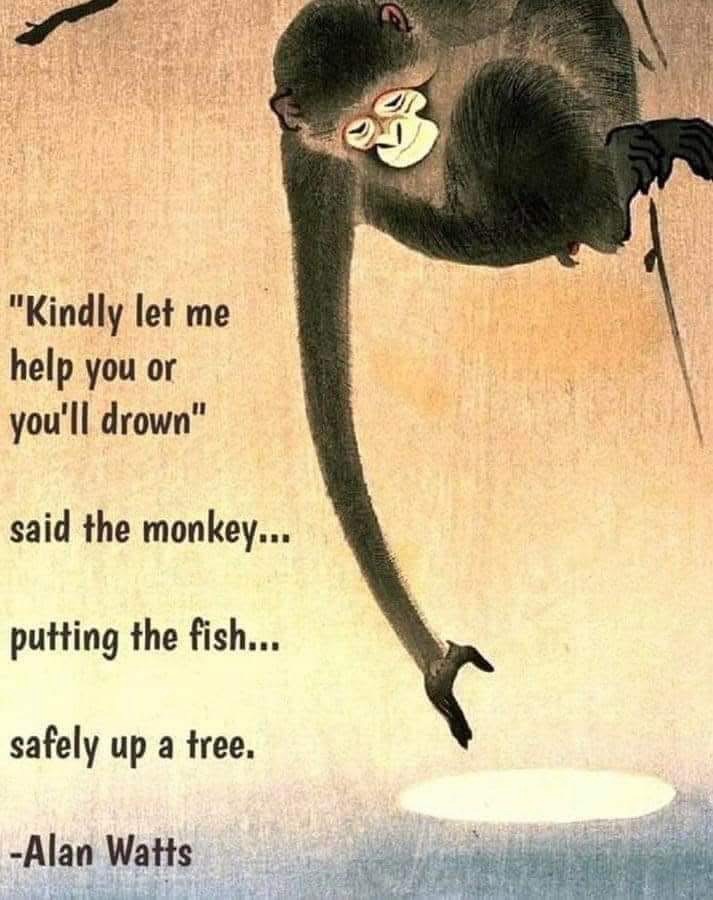
There was a monkey who lived in a forest tree by a river. One day, the monkey saw a fish swimming in the river and thought the fish was struggling. Feeling compassionate, the monkey resolved to save it. It climbed down the tree, scooped the fish out of the water, and placed it gently on a branch. The fish flapped violently and soon died. The monkey was heartbroken and confused—it had only wanted to help.

This story offers such a powerful lesson. The monkey, out of good intentions, misjudged the situation because it viewed the fish’s needs through its own perspective. It assumed that what was natural and necessary for itself—living on land and breathing air—must also apply to the fish. In trying to help, the monkey unknowingly caused harm, simply because it didn’t take the time to truly understand the fish’s environment and needs.

How often do we, with the best intentions, do the same? We may impose our beliefs, values, or ways of living onto others, assuming they must see the world as we do. But the truth is, each of us is shaped by our unique environment, experiences, and perspective. What feels like “truth” for one person may not resonate at all for another.

This story invites us to step back and ask: Am I truly understanding someone else’s experience, or am I projecting my own onto them? Am I listening, or am I assuming?

The beauty of the world lies in its diversity—not just in nature but in thought, belief, and experience. By cultivating empathy and recognizing that we all have our own “water” or “land” to thrive in, we can approach others with a deeper sense of understanding and respect.

Next time you’re tempted to “help” someone or share what you think they need to hear, pause. Consider whether you’re seeing their life through their eyes—or through your own.

Because the truth is, your truth may not be the same truth for another.

Invisible Hands Everywhere

Everything has roots—everything.

Think about a tree for a moment. You see its sturdy trunk, sprawling branches, and vibrant leaves. But the roots? Hidden beneath the surface, they work tirelessly, anchoring and feeding the tree. The meals we eat every day are no different—each one has roots, invisible yet essential.

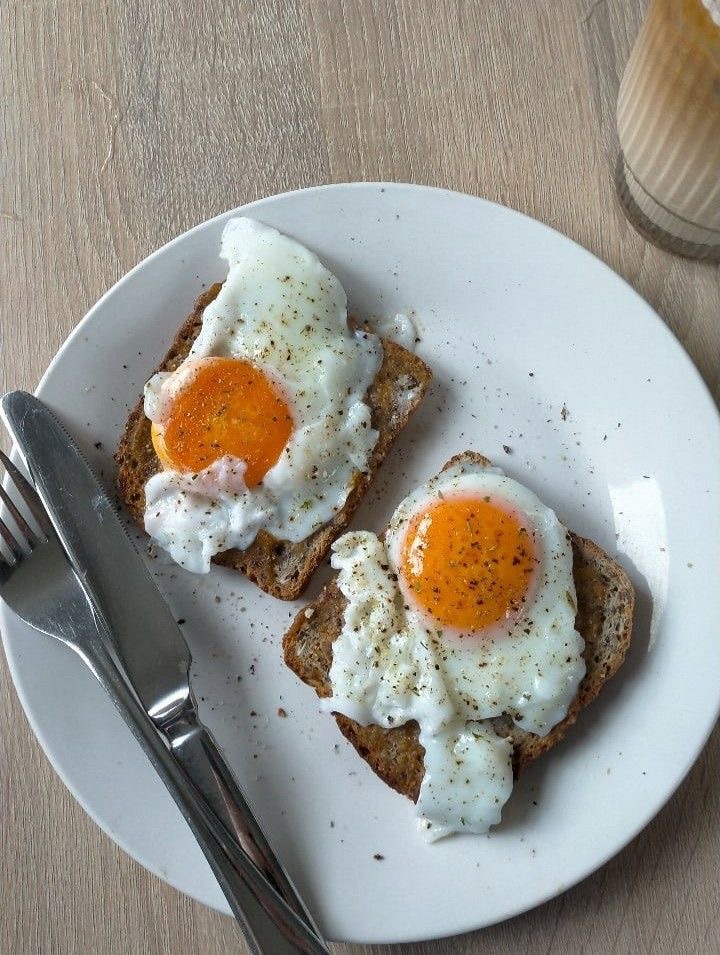
Take your next meal, for example—perhaps eggs and toast. At first glance, it’s just breakfast. But look closer. Behind that plate lies a network of effort and care. The farmers who gathered the eggs, the workers who milled the grains, the drivers who transported the ingredients, the cashiers who stocked the shelves—all of them played a role in bringing it to your table.

We often think of eating as a solitary act, but it’s anything but. Every bite connects us to countless others.

One morning, as I sat down to eat, this thought hit me. My meal, as simple as it was, had been touched by so many hands. People I’d never met had spent their time and energy to make it possible. I couldn’t help but feel grateful. The awareness of those invisible hands changed my perspective.

We live in a world where convenience often overshadows connection. Food appears so effortlessly that it’s easy to forget the work behind it. But when you take the time to see the roots—the people, the processes, the labor—it deepens your appreciation.

Every hand belongs to someone with their own struggles, joys, and dreams. Thinking about this transforms an ordinary act into a moment of connection and gratitude.

The next time you eat, pause for a moment. Consider the roots of your meal. Think about the farmers, the drivers, the stockers, and everyone in between. When you acknowledge these invisible hands, even a simple meal becomes extraordinary.

This mindfulness reminds us that we’re never truly alone. Behind every bite is a story of shared humanity, and with it, a reason to be thankful.

Protect Their Light: A Call to Kindness for Children

Not even children get a free pass when it comes to “life.” There are so many children out there who have had to grow up far too soon, and it’s truly heartbreaking.

Too often, we overlook children and assume they don’t have life experience, but believe me when I tell you there are children who have been through more than many adults.

Life is not fair, this we know. But it’s especially unfair to children. They deserve so much more than what life often hands them.

Never look down on them. Be there for them. Help them navigate their pain. Not all children have the right words yet for what they feel. Sometimes they don’t need your advice, they just need you to listen. Offer your hand of guidance. Let them know they are not alone.

There is so much we can learn from children. They have a unique way of seeing the world, and their resilience is nothing short of remarkable. And though life is what it is, we have to try to protect them. We have to try to preserve their innocence as long as we can.

Children deserve the chance to stay children. They deserve to dream, to feel safe, and to be surrounded by love. When we protect their light, we allow them to shine in ways that make this world a better place.

When we show them love and understanding, we’re not only shaping their future but also shaping a kinder world for all of us.

Be The Person You Want To Have In Your Life

“Would you like you, if you met you?”

Well, would you?

It’s important to pause and reflect on this from time to time. Self-evaluation is necessary, and it’s not just about the big things, it’s about everything. Your interactions, your responses, your reactions, your actions, and your words.

What kind of person do you want in your life? The good news is that you can be that person. You can choose to embody the traits you admire, the support you need, and the love you want to receive.

You can even become the person you wished you’d had in your life but didn’t.

When there’s no sunshine, you can choose to be the sunshine.

Of course, you’re still going to fall. You’re going to make mistakes. But the key is to own those mistakes, admit them, and learn from them. Nobody expects perfection because perfection isn’t human. What matters is that you’re trying your best.

Strive to be that amazing version of yourself, not just for you but for the people around you. Whether you realize it or not, there are people watching you, looking to you, and depending on you.

Be the best example you can be. And when you stumble, admit it. Swallow your pride and push forward. Accepting yourself, is accepting others.

This life isn’t meant to be navigated alone. We’re in it together. There will always be challenges and hardships, but don’t let the weight of the world harden you. Choose joy. Be the hope. And most of all, be the kind of person you’d want to meet.

Less Stuff, More Meaning

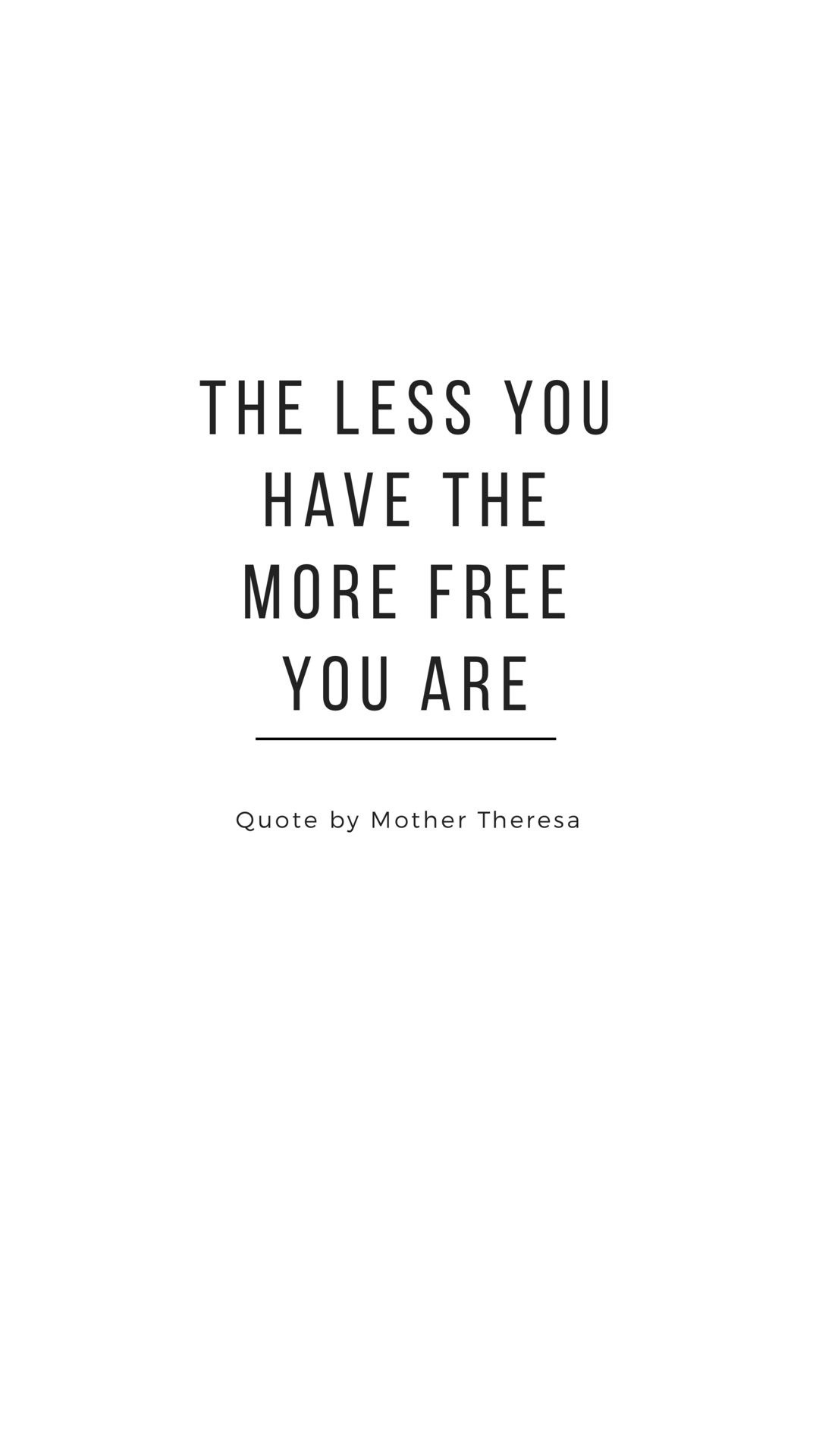
Baby steps. One simple way to alleviate stress in your life while also increasing peace of mind is by letting go of stuff. We hold onto things for many reasons without realizing how heavy that “stuff” can be—not just in our homes, but in our hearts. Becoming more mindful of what you buy and why you keep what you already have is the first step to moving forward.

It’s not always easy. But if you work toward building the habit of asking, “Is this a need or a want?” every time you’re tempted to purchase something, you’ll become more conscious of your spending habits. Go a step further and ask, “What’s the meaning behind this purchase?” When you start connecting purchases to purpose, you shift from acquiring more to surrounding yourself with what matters most.

While decluttering, ask yourself a similar question: “Why is this so hard for me to let go of?” Often, it’s because the item holds sentimental value. I’ll admit—I had a baby walker that I had a very difficult time parting with. If I saw it at a thrift store, I wouldn’t think twice about leaving it behind. But this one taught all my girls how to walk. It’s not just an object—it’s a memory.

Take your time. If letting go of something feels like too much, move on to the next item. Decluttering doesn’t need to happen all at once, and you’ll find that the process becomes lighter and more natural as you go. When the time does come to release something, remember this: when you give it away, you’re sharing its meaning and purpose with someone new.

The magic of decluttering is that it gives more space for the things that truly matter to shine. When you remove the excess, what’s left stands out. Surround yourself with stories, not just “good deals.”

Imagine walking into a home where everything you see holds meaning, tells a story, or serves a purpose. How much lighter would your heart feel? How much freer would your mind be? Letting go isn’t just about what you remove—it’s about what you make room for.

and it just feels good when you get rid of things…….would you agree?

The Memory Of A Strangers Care

Have you ever wondered who remembers you—and why? I often think about the strangers who remain vivid in my mind, sometimes for the smallest, most random moments. You never know how a single encounter might linger in someone’s life—or how you might have touched theirs.

There’s one memory I carry with me that I still wonder about, even now, nearly twenty years later. It was nighttime, and I was crying in my car—not bawling, but tears were quietly streaming down my face. I pulled up to a red light and glanced out the window. In the car next to me, a stranger looked back. His face was filled with genuine concern as he mouthed, “Are you okay?”

I nodded, assuring him I was fine, even though I wasn’t. The light turned green, and just like that, the moment ended.

What I noticed after I drove away was that I had been seen. This stranger didn’t just glance over; he noticed me. He waited for me to meet his eyes before silently asking if I was okay. Even now, as I write this, I’m thinking about him. I can’t remember what he looked like, but I’ll never forget the care in his expression.

It makes me realize how much people care—sometimes even without knowing us. When we see someone hurting, we feel it too. Empathy can be immediate and unspoken.

I’ve always believed that if I had shaken my head, if I had signaled that I wasn’t okay, this person would have followed me or stopped to help. That’s the depth of concern I felt in that fleeting moment.

For the record, I remember why I was crying that night—I had just had a fight with my boyfriend. But what stayed with me wasn’t the fight or the tears. It was the stranger’s compassion, so simple yet profound.

Sometimes, I wonder if he remembers me—the girl crying in the car at a red light. Maybe he doesn’t. But the fact that he cared enough to check on me is something I’ll always carry.

Some memories stay with us because they make us feel something. And those feelings—those moments of connection—can’t be erased.

Even Pricks Can Bloom

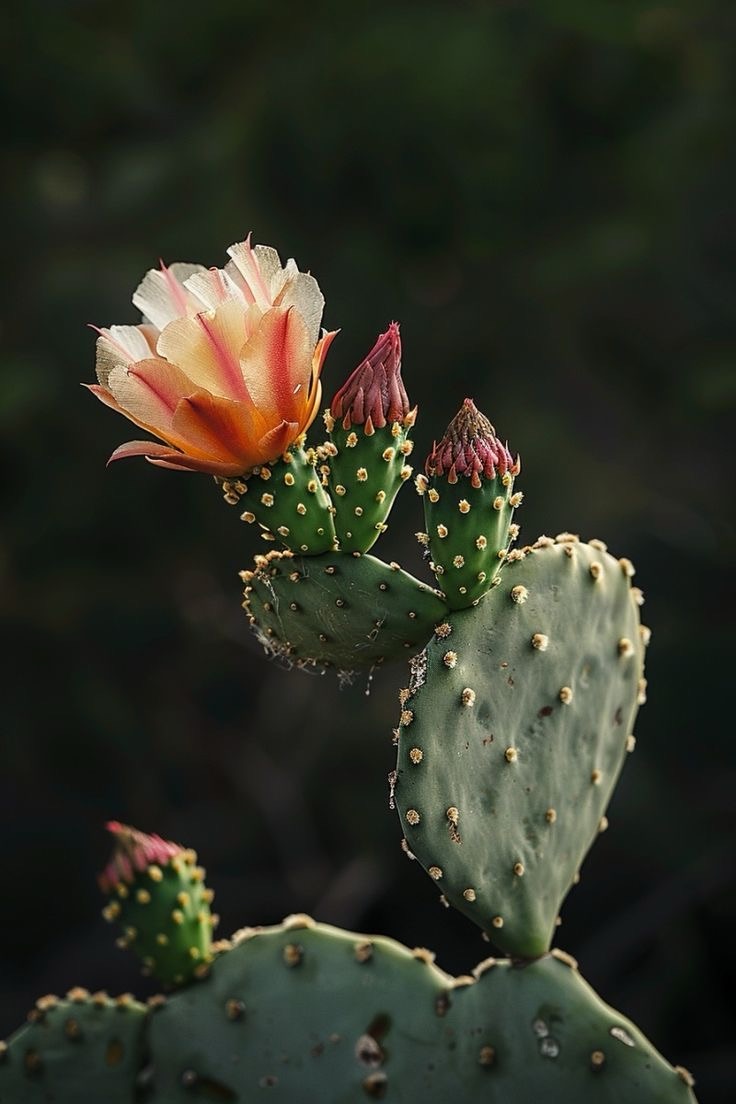
Living in Arizona, it’s impossible to ignore the cacti. Covered in spines, they seem like nature’s way of saying, “Keep your distance.” One wrong step or touch, and you’re left with a sharp reminder of their defenses.

But then spring arrives, and something remarkable happens. These same prickly plants burst into bloom, producing flowers so vibrant and delicate they draw hummingbirds and bees. The transformation is stunning, but fleeting—many blooms last only a short time. Their beauty, though brief, reminds us to savor life’s unexpected moments.

As I admired these cactus flowers one day, a humorous thought popped into my mind: “Even a prick can bloom.”

It’s funny, but also deeply true. Some people, like cacti, can be harsh and sharp. They may come across as difficult or unkind, seemingly existing only to push others away. But just like the cactus in winter, these people might be in a season where their beauty and potential aren’t visible yet.

In life, we often encounter “pricks.” They might frustrate or hurt us, but if we look closer—or simply wait—we might see a different side to them. People, like cacti, have their seasons. Winter is a time of dormancy, where growth happens beneath the surface. Spring, however, is when that growth bursts forth, revealing something beautiful.

The lesson? Try not to judge someone solely by the season you meet them in. The person who seems harsh today might surprise you with their ability to bloom when the time is right.

A cactus doesn’t bloom all year, and neither do we. But when the right season comes, even the most prickly among us can grow into something beautiful. So the next time you encounter someone sharp or difficult, remind yourself of this:

Even pricks can bloom.

Riding the Wind, Swimming the Current

There’s a series I once watched called The Story of God with Morgan Freeman, and there was a quote that stayed with me:

“Birds don’t fly; they ride the wind. Fish don’t swim; they are carried by the water.”

This view is as much about perspective as it is about surrender. It’s poetic, beautiful, and invites reflection.

Have you ever been in a river? The current flows in one direction, and if you try to fight it—swimming upstream—you’ll exhaust yourself and get nowhere. There are moments in life that feel just like this, aren’t there? Times when we push against the current, believing we can change its course, only to find that some things are immovable forces.

The truth is, life has many rivers. Some are worth navigating and working with, while others require us to simply let go. Surrendering isn’t giving up; it’s recognizing when resistance is only causing unnecessary suffering. But how do we know the difference? How do we identify what is a “river” in our lives—the things we cannot control? That’s the hard part.

It takes time, self-awareness, and a willingness to step back from our struggles to see the bigger picture. Sometimes we need to ask ourselves: Am I exhausting myself trying to fight something that just is? And if so, what could happen if I surrendered, trusting the current to carry me?

When I think about the quote, I wonder: do birds actually fly? Do fish truly swim? Or have they simply surrendered to what they are—to their nature—and found harmony within it?

What if we did the same? What if we embraced our own nature, allowing life’s wind and water to guide us instead of resisting them? What if we trusted the flow?

By shifting our perspective, we begin to see the beauty of surrender—not as a defeat, but as an act of profound wisdom. We let go of the need to control and, in doing so, free ourselves to move more fluidly with life.

After all, some of life’s greatest joys aren’t found by fighting the current but by letting it take us somewhere new.

Be Vulnerable And Let Love In

There is a lot less pain when we keep ourselves reserved. But when we close ourselves off, we also miss out on the immense beauty of love. Love is always a risk, and while it can bring heartache, I promise you—it’s worth it. Embracing love is not something you will ever regret.

Still, we cannot ignore the truth about love: when it’s lost, it lingers.

Losing love is like reaching the most gripping part of a story, only to turn the page and find it blank. The rest of the book is empty—full of unanswered questions, leaving you with a longing for what could have been.

“’Tis better to have loved and lost than never to have loved at all,” Alfred Lord Tennyson once said. And he was right. Love leaves its mark, even in its absence. It shapes us, teaching us to feel deeply, to grow, and to carry its lessons forward.

Love is universal—it binds us together. It’s something we all seek and something we all grieve when it’s gone. But the loss of love should never overshadow the joy of experiencing it.

Yes, love makes us vulnerable, but it also opens doors to the most profound parts of being human. To love deeply is to live fully. Even in its risks and heartaches, love teaches us who we are.

So let love in. Be vulnerable. It’s the bravest thing you can do—and the most rewarding.

“To make the journey and not fall deeply in love, well, you haven’t lived a life at all.”

Everyone Has A Story

Sometimes we believe we know a person by the way they act or live their life. We make assumptions. We examine their choices and decisions. We jump to conclusions, and we can become quick to judge.

It’s easy to see someone and decide there’s no connection to be made. But life has a way of humbling us, doesn’t it? Suddenly, we’re faced with their truth, their story, and we realize how wrong we were to think we understood them without ever really knowing them.

What connects us are our stories and experiences. But to truly connect, we must have ears of compassion. We must be willing to listen. We must want to understand.

How often do you long to be understood and seen? Everyone does.

I know that feeling deeply. Growing up as an adoptee, I never felt truly seen. I felt alone and isolated, and nobody knew it—partly because I never shared it. I had no biological family. I carried so many questions that nobody could answer, and none of this was ever discussed. For years, I bore that weight in silence.

We just never know what others hold inside.

It wasn’t until I became a mother in my mid-twenties that I began to heal and acknowledge the wounds I had carried for so long. Being a mother gave me a connection I had never felt before, and it helped me begin to see and understand myself in ways I couldn’t before.

The truth is, we’re all reflections of one another. And those reflections, if we look deeper, aren’t like staring into a mirror. They’re like reaching into the ocean. The surface may shimmer, but there is depth—depth filled with stories, struggles, and experiences waiting to be understood.

We all have a story. Take the time to listen, and you’ll be amazed at what you find.