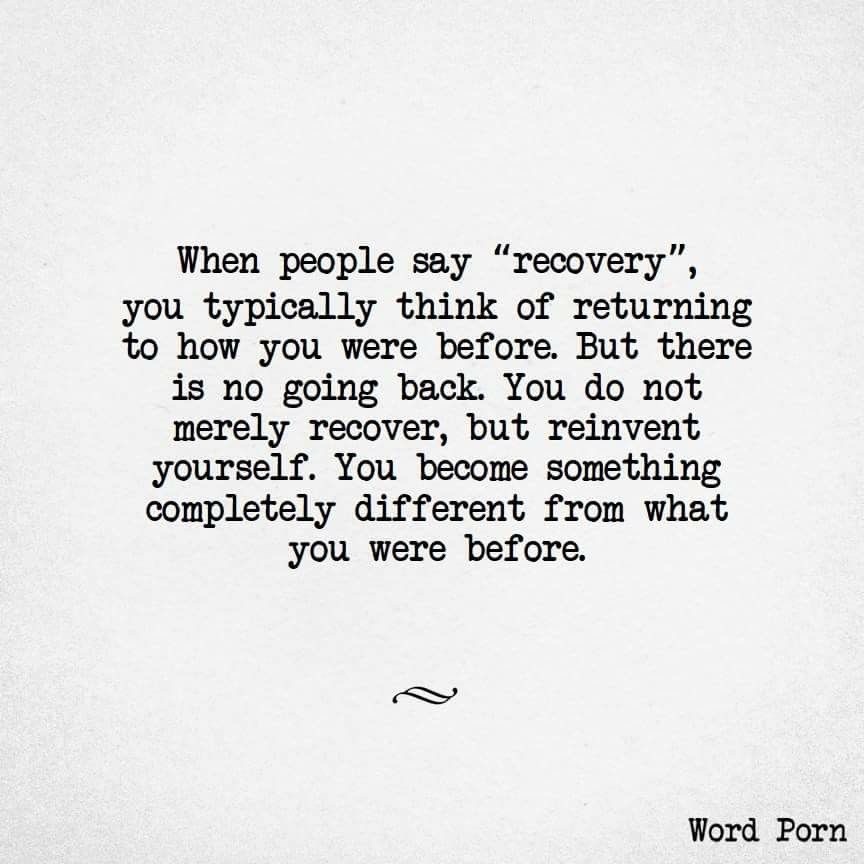
15 Recovery Affirmations

Recovery affirmations to help support healing—whether it’s physical, emotional, or spiritual:

1. I honor the time my body and spirit need to heal.

2. Each day, I grow stronger and more resilient.

3. I release any guilt or shame attached to my past and embrace the present.

4. I am patient with myself, and I trust the process of healing.

5. Every breath I take fills me with calm and peace.

6. I allow myself to feel joy, even in moments of challenge.

7. My body knows how to heal, and I trust it to guide me.

8. I am worthy of rest, renewal, and restoration.

9. The love I give myself fuels my recovery.

10. I forgive myself and others, freeing my heart from pain.

11. I am not defined by my scars; they show my strength.

12. I welcome the support and love that helps me grow.

13. Each day is a fresh start, full of potential and healing energy.

14. I am learning, growing, and healing at my own pace.

15. I trust that everything I need for healing is already within me.

These affirmations are great for reinforcing a positive mindset during recovery, reminding you to be kind to yourself and stay focused on the process of growth and healing. ❤️‍🩹

Dears Readers, I Had an EMERGENCY abdominal Surgery! – Bowel Obstruction Surgery

I’m still in shock.

I’m currently recovery at home and it’s been about 4 days now since my surgery.

I will write another blog soon letting you all know what went down but I may not post for a while because I really need to focus on my healing.

Or a few of my posts going forward for a bit may be recovery and healing related.

One thing for sure I am incredibly grateful to be here. This was very sudden and completely unexpected. I have been overwhelmed by love from family and friends.

God truly carried me through this from the beginning and my trust is completely in Him.

I got home yesterday from the hospital (today is Saturday and this all went down on Tuesday) and being able to hold my children and stroke their hair and give them kisses is something I am not taking for granted.

I have learned so much from this experience and how much more eager I am to help and heal people!

Remember my friends, it truly is the littlest things that leave such powerful impacts.

Examples would be:

  • A gentle touch 
  • Sincerity in the eyes
  • Tone of voice 
  •  A warm smile 
  • Story telling
  •  Sense of humor 

God bless all of you, and thank you from the bottom of my heart for being here.

Marie

20 DEEP Questions To Reflect On – Journaling Prompt

Here are 20 deep questions to reflect on to help you understand who you are:

1. What are my core values, and how do they influence my decisions?

2. What are my biggest fears, and where do they come from?

3. How do I define success for myself, independent of others’ opinions?

4. What do I believe is my purpose in life?

5. In what areas of my life do I feel most at peace, and why?

6. What experiences have shaped my identity the most?

7. How do I handle failure, and what do I learn from it?

8. What kind of relationships nourish my soul, and which ones drain me?

9. When do I feel most authentic, and when do I feel like I’m wearing a mask?

10. How do I speak to myself during hard times? What does that reveal about my self-love?

11. What parts of my past am I still holding onto, and how do they affect me today?

12. What role does forgiveness play in my life—for both myself and others?

13. What do I need to let go of to grow and move forward?

14. What are the recurring patterns in my life, and what might they be teaching me?

15. What are the most significant challenges I’ve overcome, and how have they shaped me?

16. What makes me feel truly fulfilled and alive?

17. What do I want my legacy to be?

18. What do I believe about the nature of love, and how do I show love to myself and others?

19. How do I manage my emotions, and what do they tell me about my inner world?

20. What am I most grateful for in my life right now, and how does gratitude shape my outlook?

Cozy Fall Bucket List – 20 Things To-do

Here’s a fun and cozy fall bucket list with at least 20 things you can do to fully embrace the season:

1. Visit a pumpkin patch and pick the perfect pumpkins.

2. Carve or paint pumpkins with creative designs.

3. Go apple picking at a local orchard.

4. Bake a homemade apple pie or pumpkin bread.

5. Take a scenic hike to enjoy the fall foliage.

6. Go on a hayride or take a trip to a corn maze.

7. Have a bonfire night with s’mores and hot cider.

8. Decorate your home with fall-themed decor like leaves, gourds, and cozy candles.

9. Host a cozy movie night with classic fall or Halloween movies.

10. Attend a fall festival or farmers market.

11. Make homemade chili or a hearty soup for a cozy dinner.

12. Create a gratitude list and reflect on what you’re thankful for.

13. Have a picnic outside, surrounded by colorful fall leaves.

14. Go thrift shopping for cozy fall sweaters and scarves.

15. Collect leaves and create a fall craft or wreath.

16. Try a new fall-flavored coffee, tea, or hot chocolate.

17. Visit a haunted house or go on a ghost tour.

18. Start a fall-inspired book or reading list.

19. Create a fall playlist with your favorite cozy songs.

20. Stargaze on a clear, cool fall night wrapped in blankets.

October Goals 2024

This month the focus is on Self-Love 🤍

  1. Practice Self-Compassion: Be mindful of your inner dialogue. Whenever self-criticism creeps in, counter it with kind, understanding words. Treat yourself like you would a close friend.
  2. Celebrate Your Wins: No matter how small, acknowledge and celebrate your accomplishments regularly. Write them down at the end of each day to reinforce your self-worth.
  3. Set a “Me-Time” Ritual: Dedicate at least one day a week for uninterrupted “me time” to do whatever makes you feel recharged, whether it’s reading, relaxing, or engaging in a hobby.
  4. Forgive Yourself: Let go of past mistakes and imperfections. Acknowledge that you’re human and that your growth matters more than any misstep.
  5. Create a Self-Love Journal: Write daily or weekly about what you love about yourself, your strengths, and your qualities that make you unique. Revisit these pages whenever you need a boost.

Why Is Learning To LOVE OURSELVES So Hard

Learning how to love ourselves can be challenging for several reasons, often tied to deeply rooted beliefs, societal influences, and personal experiences. Here are some of the key reasons why self-love can be so difficult:

1. Cultural and Societal Conditioning

• Many societies emphasize external validation and achievement, leading us to base our self-worth on how others perceive us or on meeting certain societal standards. This can create a sense that our value is conditional, making it hard to truly love ourselves unconditionally.

2. Negative Self-Talk and Inner Critic

• We often have an internal dialogue that’s far harsher than how we speak to others. This inner critic, fueled by past experiences or insecurities, can make us focus on our perceived flaws, failures, or inadequacies, overshadowing our strengths and worthiness.

3. Unresolved Past Trauma

• Experiences of trauma, rejection, or abandonment—especially in childhood—can deeply affect our ability to love ourselves. These experiences can create deep-seated beliefs that we are unworthy of love or that we have to earn it through certain behaviors or achievements.

4. Fear of Egoism or Narcissism

• Many people fear that loving themselves will come across as selfish or narcissistic. There’s often a misunderstanding between healthy self-love and egoism, leading some to suppress their self-appreciation to avoid being perceived negatively by others.

5. Comparison Culture

• With the rise of social media, comparing ourselves to others has become even more pervasive. Constant exposure to idealized images and lifestyles can lead to feelings of inadequacy, making it harder to appreciate and love ourselves as we are.

6. Conditioned Beliefs About Worthiness

• From a young age, many of us are conditioned to believe that love and worthiness must be earned through good behavior, success, or pleasing others. These beliefs can make us feel that we are only worthy of love under certain conditions, which complicates the journey to self-love.

7. Fear of Vulnerability

• Truly loving ourselves requires facing and accepting our vulnerabilities, imperfections, and past mistakes. This process can be uncomfortable and scary, as it involves confronting aspects of ourselves that we may have avoided or denied for a long time.

8. Lack of Role Models

• If we didn’t grow up seeing examples of healthy self-love, it can be difficult to know what that even looks like. Without role models who practice self-love, we might struggle to develop it ourselves.

9. Overemphasis on External Achievement

• Society often prioritizes success, productivity, and external accomplishments over inner well-being. This focus can lead us to seek validation from achievements rather than from within, making it harder to develop a sense of self-love that isn’t tied to external outcomes.

10. Difficulty in Accepting Ourselves as We Are

• We are often our own worst critics. Accepting ourselves with all our flaws, imperfections, and mistakes can be challenging, especially when we hold ourselves to unrealistic standards of perfection.

11. Deep-Seated Guilt or Shame

• Guilt and shame, often stemming from past actions or internalized beliefs, can block self-love. These emotions can be powerful and difficult to overcome, making it challenging to feel deserving of love and compassion.

12. Need for External Validation

• We often seek validation and love from others, which can become a substitute for self-love. When we rely too heavily on others for our sense of worth, it becomes difficult to cultivate an internal sense of self-love.

13. Complexity of Self-Discovery

• Self-love requires self-awareness and understanding, which involves delving into our true selves, including our desires, needs, and values. This journey of self-discovery can be complex and uncomfortable, making self-love harder to achieve.

14. Societal Norms Around Self-Sacrifice

• Many cultures glorify self-sacrifice, especially in roles like parenting or caregiving, where putting others’ needs before your own is often expected. This can lead to neglecting self-care and self-love, as it’s seen as less important than caring for others.

Learning to love ourselves is a journey that requires patience, self-compassion, and often unlearning old beliefs and patterns. It’s a process of gradually building a healthier relationship with ourselves, where we can appreciate our own worth, embrace our flaws, and treat ourselves with the kindness and understanding we deserve.

Make Time For Things You Enjoy

As a child fun seems to always be at reach. It’s tangible. It’s free. It’s easy. Children can find joy in the littlest of things. The spark they gather in their eyes is pure magic.

As we get older life happens.

The colors that were once so vibrant in our life begin to fade. No longer are we new, we’ve developed cracks and have broken pieces that we don’t know what to do with.

It’s so important, it’s so necessary, it’s vital I would say to bring that inner child back to life as we age.

Fun needs to become a priority and we have to make time for it as crazy as that is.

I have to make time for fun?”

ONE HUNDRED PERCENT YES!!!

The more we incorporate the things we once enjoyed as children believe it or not those dull colors in your life become bright once again.

Maybe those colors never went dull to begin with, the light was just on a dim setting.

And those broken pieces? Let fun be the super glue.

You deserve to laugh, you deserve to smile, you deserve to feel joy in our life.

Make that time.

Xox marieelizabeth

Soften The Heart: Devotional #24

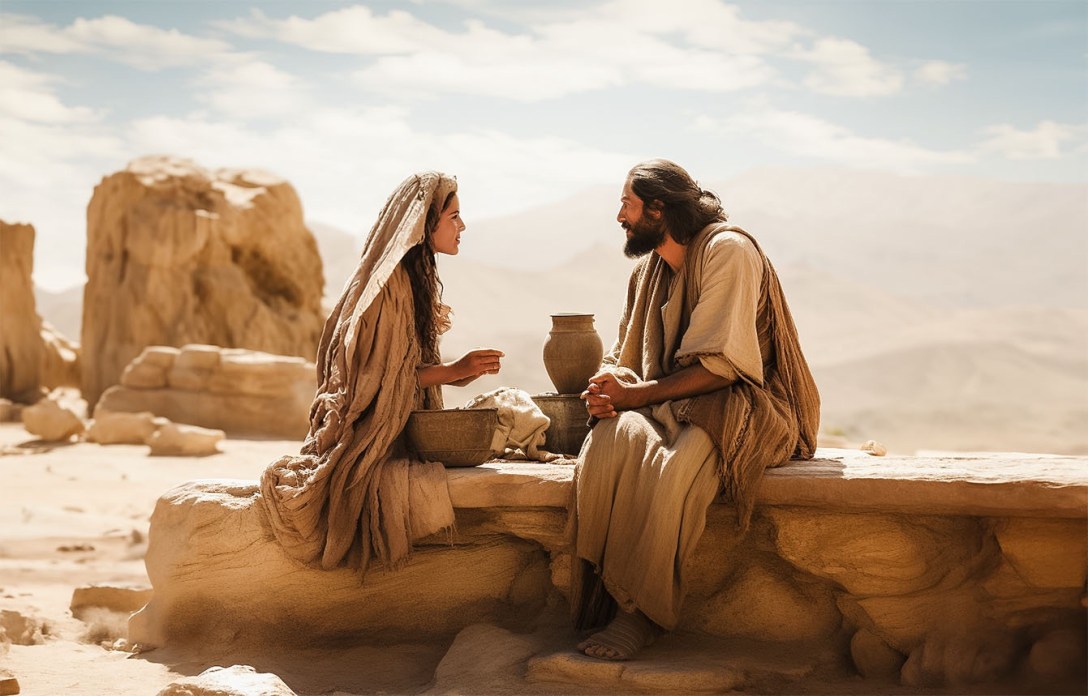
“Jesus said to her, “Woman, believe Me, the hour is coming when you will neither on this mountain, nor in Jerusalem, worship the Father.

“You worship what you do not know; we know what we worship, for salvation is of the Jews.

“But the hour is coming, and now is when the true worshippers will worship the Father in spirit and truth; for the Father is seeking such to worship Him.

The woman said to Him, “I know that Messiah is coming” (who is called Christ). “When He comes, He will tell us all things.”

Jesus said to her, “I who speak to you am He.”

John 4 21-26

After reading this full scripture it makes me think about times God has talked to me or communicated with me and I had not known. Just like the woman at the well.

I imagine her being like, “Uh, huh. Yeah when the Messiah is here he’s going to explain all of that.” And then here is Jesus like, “I’m Jesus Christ.”

What a humbling moment!

We think we know, and God reveals to us exactly that. We think we know. But we don’t. We have so much growing to do.

We are still children and acting as children do. No sense of boundaries, we hear what we want to hear, what are consequences you say?

I just described a toddler.

For some reason we think we know more than we actually do.

Eventually I feel like God makes it click for us, partly because of us His love for his children and because of his patience.

Then we begin to make the connections and understand.

If only we took things serious the first time could we have avoided some struggling. Maybe.

Let’s break down this scripture a little bit though.

What does “the hour is coming” mean?

When Jesus says “the hour is coming” in the scriptures, He is often referring to a specific moment or event in God’s divine plan, particularly His crucifixion, resurrection, and the coming of God’s kingdom. This phrase points to a future fulfillment of God’s purpose for salvation.

For instance, in John 4:23 as we read above, Jesus says, “The hour is coming, and now is, when the true worshipers will worship the Father in spirit and truth.” Here, He’s referring to the future when worship will no longer be tied to specific locations or rituals but will be through a genuine connection with God.

In other passages, like John 12:23 (“The hour has come for the Son of Man to be glorified”), it refers to His upcoming death, where He would complete His mission on earth.

In summary, “the hour is coming” points to a pivotal moment in God’s plan, often linked to the transformative events in the life and ministry of Jesus.

But how do we worship the Father in spirit and in truth?

To worship the Father in spirit and truth, as Jesus describes in John 4:23-24, involves a deep, sincere connection with God that transcends external rituals and locations. Here’s how:

1. Worshiping in Spirit:

Worship in spirit means connecting with God on a spiritual level, from the heart and soul, rather than relying solely on outward acts or physical locations. It’s about an authentic relationship with God, led by the Holy Spirit, where worship is heartfelt, personal, and not limited to rituals or ceremonies. This kind of worship engages our whole being, aligning our spirit with God’s Spirit.

• Romans 8:14 says, “For all who are led by the Spirit of God are sons of God.” Worshiping in spirit is being led by the Holy Spirit, letting Him guide our hearts, prayers, and lives in a way that honors God.

2. Worshiping in Truth:

Worship in truth refers to worshiping God as He truly is, in alignment with the truth revealed in His Word, the Bible. It means worshiping with sincerity and understanding of who God is, grounded in the knowledge of Scripture. Jesus is the embodiment of truth (John 14:6), and worshiping in truth involves acknowledging and following Him as the Way, the Truth, and the Life.

• Psalm 145:18 reflects this, stating,The Lord is near to all who call on Him, to all who call on Him in truth.” Worship in truth rejects hypocrisy or superficial worship and embraces an honest, authentic pursuit of God.

In summary, worshiping in spirit and truth means bringing together heartfelt devotion and sincerity with a grounded understanding of God’s Word and His true nature. It’s worship that’s both inwardly genuine and outwardly aligned with God’s revealed truth in Scripture.

Wishing you love and blessings.

May our hearts and ears hear when God is speaking to us. And even so, may we continue to have greetings at the well.

May God never stop revealing himself to us even when we have lost our sight.

May we share our wisdom with others when God makes it very clear who He is to us.

May we honor the Father and The Son.

Amen.
10 Sore Throat Remedies And 6 Things To Avoid

Having a sore throat is awful! Especially those really painful kinds that every time you swallow it feels like your throat is catching on fire. Ugh, and if you’re experiencing that right now I am so sorry!! But you’ll get through it, okay!

I have some remedies for you! It won’t completely take the pain away but it will alleviate some of the discomfort until your body fully conquers the nasty virus!

Here for you.

10 Sore Throat Remedies

1. Saltwater Gargle: Mix 1/2 teaspoon of salt in a glass of warm water and gargle several times a day. This helps reduce swelling and clears irritants or bacteria.

*I’m not going to lie, every time I do this I just about gag. It’s effing disgusting but the salt helps to kill those mothereffers that are causing you pain*

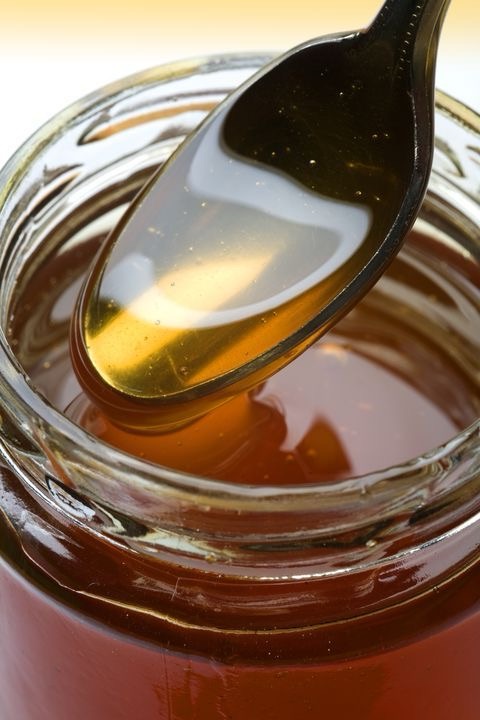
2. Honey and Warm Water: Mix honey with warm water or herbal tea. Honey has natural antibacterial properties and can help coat and soothe the throat.

*THIS. Lots of this. Stick with the caffeine free tea though. Your body really needs to rest not that fake caffeine energy. Sometimes I even just get a spoon and put honey on it and eat it that way*

*I’ve also read about mixing honey with cayenne pepper*

3. Hydration: Drink plenty of fluids like water, warm herbal teas, or broths to keep your throat moist and help flush out any infection.

*I know this is so hard to do especially when your throat is THROBBING. And to just swallow takes courage. What I have found to be helpful is drinking through a straw. I fill up my tumbler with ice cold water and drink with a straw. I fill my mouth up with the water, tilt my head back, and then just let the water spill onto my throat.*

4. Warm Soups/Broths: Warm, soothing soups can provide comfort and hydration.

*get you some chicken noodle soup. This is proven to help, look it up!*

5. Throat Lozenges: These can help stimulate saliva production, which keeps your throat moist.

*These are hit or miss. Sometimes they help, and sometimes they just can steal that pain away. Always worth the try though.*

6. Humidifier: If dry air is irritating your throat, a humidifier can add moisture to the air, making it easier to breathe and reducing throat dryness.

*Night is always the worst. Especially when all you want to do is sleep. I can’t say I’ve ever tried this one but I may need to if I ever have a sore throat like this most recent one that I had. The dryness of my throat would wake me up and it felt like someone had cut my throat and it was bleeding out! If you don’t have a humidifier, I would suggest NyQuil for the nighttime. It will knock you out.*

7. Herbal Teas: Teas with ingredients like licorice root, chamomile, or slippery elm can be soothing for sore throats.

*as I mentioned previously, stick with caffeine free tea*

8. Apple Cider Vinegar: Mix 1 tablespoon of apple cider vinegar with warm water and honey. This can help break down mucus and fight bacteria.

*never tried this one. If you have, leave a comment below!*

9. Over-the-counter Pain Relievers: Medications like ibuprofen or acetaminophen can help with inflammation and pain.

*Yes to this, especially if your sore throat is accompanied with a fever.*

10. Vapor Rub: rub some on your throat and chest to help you breathe more easily and cough less. 

What To Avoid With A Sore Throat

When you have a sore throat, it’s good to avoid certain things that can irritate it or make it worse:

1. Spicy or Acidic Foods: Foods like citrus, tomatoes, and spicy dishes can irritate the throat further.

2. Dry, Crunchy, or Hard Foods: Chips, crackers, and other rough foods can scratch and aggravate the throat.

3. Caffeine and Alcohol: Both can dehydrate you, which can make the throat drier and more irritated.

4. Carbonated water/drinks: they can actually cause more irritation!

*I know drinking a carbonated drink feels so good on a sore throat. It does, like a super good burn. But you actually may doing more harm than good. Stick with the cold water and teas.*

5. Shouting or Talking Too Much: Resting your voice can help prevent further strain on your throat.

*you have my permissions to ignore every single call when you have a sore throat.*

6. Lemon: some people add lemon to their teas, however if your sore throat is sever AVOID adding lemon to your drinks.

*I know this one from experience. Another burn that feels good, but the next day your throat will feel WORSE! Don’t do it!*

Avoiding these irritants can help your throat heal faster and keep it more comfortable!

I’m so sorry friend that you are hurting right now. I know how that feels. The light is near. Get lots of rest. Sometimes these sore throats can last a couple of days! I had one that lasted 6 days and I kept saying Jesus take the wheel! It was horrible! You’ll get through this!

I hope this blog helped you.

Peace and love always.

Book Club Questions – General, Deeper Exploration, And Emotional

General Questions

1. What themes stood out to you the most in this book?

2. How did the characters evolve throughout the story?

3. Were there any moments that surprised or shocked you? Why?

4. What was your favorite quote or passage from the book, and why?

5. How did the setting impact the story?

6. Did you find the ending satisfying? Why or why not?

7. How did the book’s structure (chapters, time jumps, narrative style) affect your reading experience?

8. What did you think of the author’s writing style?

9. If you could change one thing about the book, what would it be?

10. Did the book remind you of any other books, movies, or personal experiences?

Character-Focused Questions

1. Which character did you relate to the most, and why?

2. Were there any characters you struggled to understand or sympathize with?

3. How did the relationships between characters develop or change throughout the book?

4. Did you find any of the characters particularly inspiring or frustrating?

Deeper Exploration

1. How do you think the book would have been different if told from another character’s perspective?

2. What social, political, or cultural issues did the book address, and how effectively were they explored?

3. Were there any symbols or motifs you noticed in the book? What do you think they represented?

4. If this book were adapted into a movie, who would you cast in the main roles?

Emotional Exploration

1. What emotional journey did each character go through to reach the relationship’s outcome?

2. Were there any moments that made you feel frustrated with the characters?

3. Did you find the ending satisfying for the romance, or would you have preferred a different conclusion?

4. What did the book say about love or relationships that resonated with you?