Understanding Your Luteal Phase: The Inner Autumn of Your Cycle And How To Honor This Season

Your inner Autumn is the luteal phase of your cycle — the days after ovulation and before your period (one or two weeks before you begin).

Just like the season, it’s a time of slowing down, turning inward, and releasing what you no longer need. You may feel more sensitive, reflective, or craving rest. It’s your body’s way of preparing for renewal.

What’s Happening in Your Body

After you ovulate, your body begins to produce more progesterone, a hormone that helps prepare your uterus for a possible pregnancy. If no fertilized egg implants, hormone levels eventually drop, signaling your body that it’s time to shed the uterine lining — which becomes your period.

This phase usually lasts around 10–14 days. (as mentioned one to two before your period. Side note: every woman’s body is different. Some may last longer or shorter.)

How You Might Feel

As hormones shift, it’s normal to notice changes both physically and emotionally. Some common experiences during the luteal phase include:

•Feeling more tired or sensitive

• Bloating or breast tenderness

• A stronger need for rest and reflection

• Cravings for comfort foods

• Desire for alone time or quiet

• Moody/Irritable

• The need to clean or organize

You may also notice that while your energy is lower, your intuition and emotional awareness become stronger. This is a beautiful time to reflect, tidy up loose ends, and nurture yourself.


How To Honor Your ‘Inner Autumn’ As A Woman – Luteal Phase

1. Slow the pace

Say gentle “no’s” to things that drain you. Schedule fewer social plans and more cozy, restorative time. Allow yourself to rest without guilt — this is nature’s built-in reset.

2. Nourish your body

Eat warm, grounding foods: roasted vegetables, soups, oats, root veggies, and herbal teas (especially cinnamon, ginger, and chamomile). Focus on complex carbs and magnesium-rich foods (like bananas, dark chocolate, nuts, and leafy greens) to ease PMS and support calm. Stay hydrated, especially if you tend to bloat or get constipated.

3. Nurture your emotions

Journal what’s coming up — your luteal phase often reveals what’s not aligned in your life. Be gentle with yourself; your sensitivity is heightened for a reason. Create small rituals of comfort (warm bath, candlelight, quiet evenings).

4. Support your energy

Choose slower, grounding movement like yoga, stretching, or walking. Prioritize sleep and listen to your body’s cues to rest earlier. Practice breathwork or meditation to calm mental chatter.

5. Spiritually honor it

See this time as your “inner autumn” — a season of release, reflection, and preparation for renewal. Ask yourself: What am I ready to let go of before my new cycle begins? Light a candle or take a mindful moment each evening to thank your body for all it’s doing.

Your luteal phase is a teacher — it asks for presence, patience, and trust in your natural rhythms.

When you honor it, you often notice fewer PMS symptoms, more emotional clarity, and a deeper sense of peace with your body.
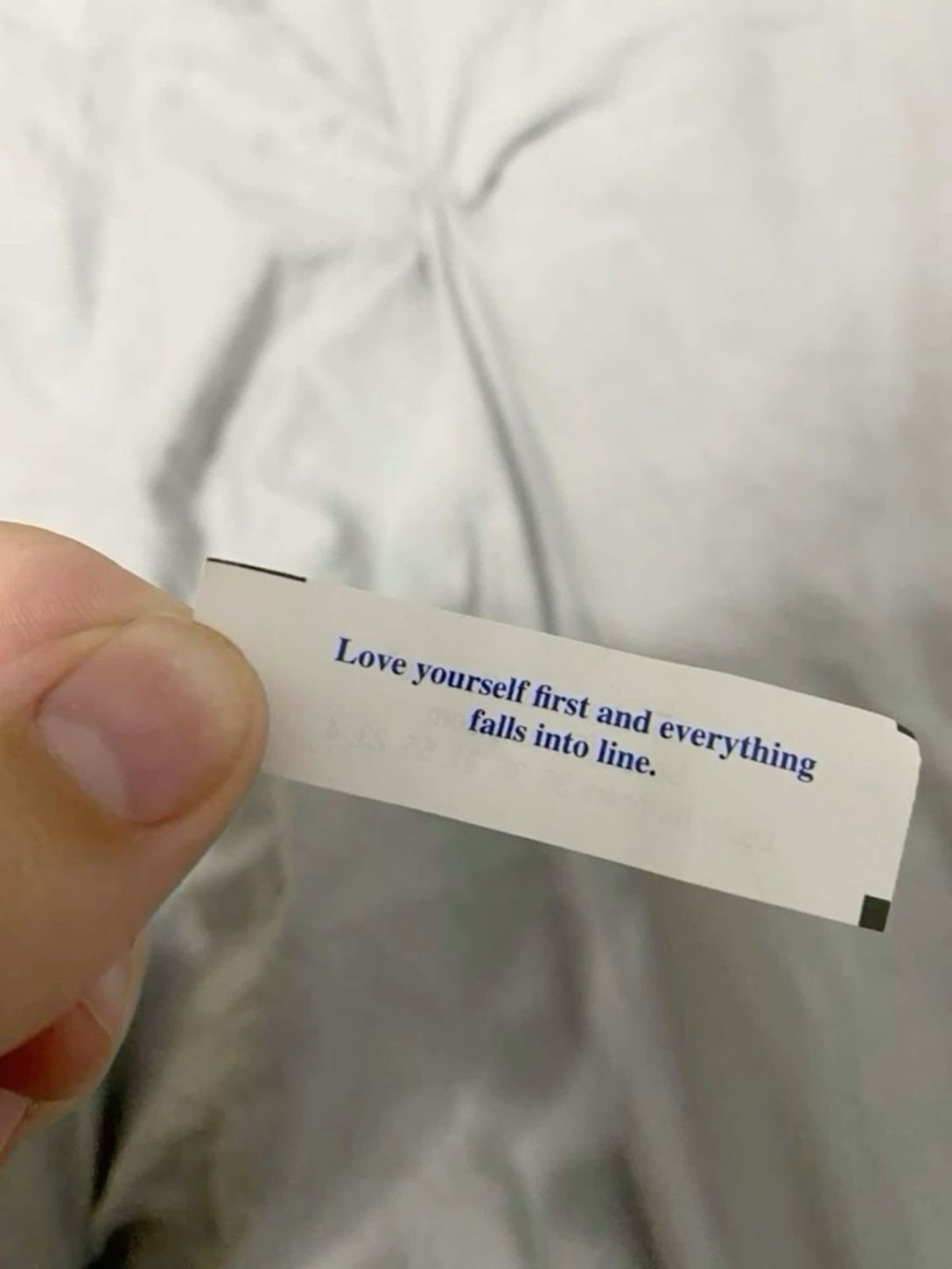
Full Structured Weekly Beauty Schedule

when you look good, you feel good”

Daily (every day)

Morning:

• Cleanse face

• Moisturize + SPF

• Quick lymphatic drainage (even 1–2 mins) with hands or tool

Night:

• Cleanse face

• Moisturize + treatment if needed (serum, retinol, etc.)

• Lip balm

• Body lotion (quick)


Monday – Hair, Sculpt, and Hydrate Day

Morning:

• Face sculpting (full 5-10 min session with tool)

Evening:

• Hair mask (apply on damp hair, leave for 30+ minutes)

• Light dry brushing before shower

• Extra deep conditioning shower (wash out hair mask)

• Exfoliate body (sugar scrub or gentle exfoliator)

Tuesday – Skin Glow + Brows Day

Morning:

• Face sculpting (quick version, 2-3 mins)

Evening:

• Tweeze eyebrows (maintenance)

• Tweeze lip area if needed

• Hydrating sheet mask or soothing face mask after tweezing (keep skin calm)

Wednesday – Hands and Feet Mini Day

Morning:

• Quick hand and foot massage with oil or lotion

Evening:

• At-home mini manicure & pedicure maintenance:

– File nails

– Push back cuticles

– Moisturize deeply (overnight gloves/socks if possible)

Thursday – Detox and Clarify Day

Morning:

• Face sculpting (full 5-10 min session)

Evening:

• Clarifying face mask (like clay for deep cleaning)

• Dry brushing before shower

• Light self-tan if desired

Friday – Glow Up Day

Morning:

• Brightening serum or Vitamin C

Evening:

• Self-care bath if possible

• Deep moisturize body

• face Gua Sha or facial massage

Saturday – Full Beauty Reset Day

Morning:

• Face sculpting (quick 3-min session)

Daytime:

– Fresh coat of nail polish on hands and toes (if chipped)

Evening:

– Hair oiling (massage scalp with nourishing oil)

– Light dry brushing

Sunday – Rest and Reset Day

Morning:

• No heavy beauty chores, just skincare

Evening:

• Hydrating overnight mask or heavy moisturizer for face

• Plan next week’s beauty needs (ex: if brows need more work, schedule for Tues)


Extra notes:

Dry Brushing:

2–3 times a week before showering (Monday, Thursday, Saturday)

Tweezing:

Once weekly (Tuesday), more if necessary (just a few strays if needed)

Face Sculpting:

Ideally 5x a week, but short sessions are fine on busy days

Hair Mask:

Once weekly (Monday)

Face Mask:

Hydrating (Tuesday), Clarifying (Thursday)

Nails:

Deep care Wednesday, polish refresh Saturday if needed

Small Acts of Self-Love: 30 Ways to Be Kind to Yourself

1. Treat yourself to your favorite coffee or snack—just because.

2. Say no to plans if you don’t really want to go—without guilt.

3. Let yourself be lazy for a day (or an afternoon) without feeling like you need to “earn” it.

4. Indulge in a guilty pleasure—watch trashy TV, eat the chocolate, read the romance novel.

5. Ignore calls and texts if you don’t feel like talking—protect your peace.

6. Buy yourself flowers just because they make you happy.

7. Take a ridiculously long, hot shower or bath with no rush to get out.

8. Wear the cozy outfit instead of the “put-together” one.

9. Rewatch your comfort movie or TV show for the 100th time.

10. Order takeout instead of cooking—sometimes convenience is self-care.

11. Sit in your car a little longer before going inside—enjoy the quiet.

12. Put your phone on ‘Do Not Disturb’ and enjoy uninterrupted time.

13. Buy yourself the little thing you keep talking yourself out of.

14. Listen to music from your teenage years and sing along loudly.

15. Go to bed ridiculously early or sleep in late just because you can.

16. Light your favorite candle for no reason at all.

17. Read in bed with no pressure to be “productive.”

18. Make yourself an over-the-top, fancy drink—whether it’s a cocktail or a hot chocolate.

19. Take yourself on a solo date—to a bookstore, coffee shop, or anywhere you love.

20. Let go of something that’s been weighing on you—mentally or physically.

21. Take a midday nap with no shame.

22. Turn off your alarm for the weekend and wake up naturally.

23. Write down three things you love about yourself.

24. Dance around your house like nobody’s watching.

25. Eat your meal in complete silence, enjoying every bite.

26. Spend an entire day in pajamas if that’s what you feel like doing.

27. Watch the sunrise or sunset just for the beauty of it.

28. Unfollow accounts on social media that make you feel bad about yourself.

29. Let yourself cry if you need to—sometimes release is the best self-care.

30. Take deep breaths and remind yourself that you are enough, just as you are.

Which one do you feel like doing today?

It’s OKAY To Feel *PRETTY* And To Say it OUT LOUD

It’s not just okay—it’s important to feel pretty, beautiful, or confident in your own way. Feeling pretty isn’t about vanity; it’s about self-expression, self-care, and self-love.

Sometimes, especially as a mother or someone focused on caring for others, it’s easy to feel like putting energy into your appearance is “unnecessary” or even “selfish.” But it’s not! When you feel good about yourself—inside and out—it radiates into everything you do.

Feeling pretty can mean different things to different people. It could be:

• Wearing an outfit that makes you feel confident

• Taking care of your skin, hair, or posture

• Smiling and embracing your natural beauty

• Feeling strong and healthy in your body

• Expressing yourself through creativity, like makeup or fashion

• Simply recognizing your inner beauty and allowing it to shine

The other day, I took a selfie because, in that moment, I did feel pretty. But when it came time to post it, I hesitated. I started doubting myself, thinking, “What if someone sees this and thinks, ‘She’s not pretty’”.

But then I stopped and asked myself—Why am I so afraid to own this feeling? Why do we, as women, so often hesitate to celebrate ourselves?

So I decided to change the narrative. Instead of letting doubt win, I posted the selfie with the simple caption: “feeling pretty”. And that moment was freeing. Because feeling good about yourself is not something you have to hide. It’s something you can embrace, celebrate, and share—at any age, in any season of life.

I want other women and girls to know that it’s okay to feel good about yourself and to actually say it out loud. You don’t need permission to shine. You don’t need validation to embrace your beauty.

So if you feel pretty today, own it. Take the picture, wear the outfit, smile in the mirror, and don’t be afraid to share your light with the world. Because confidence isn’t about being perfect—it’s about being unapologetically yourself.

Dry Brushing—Have You Tried It?

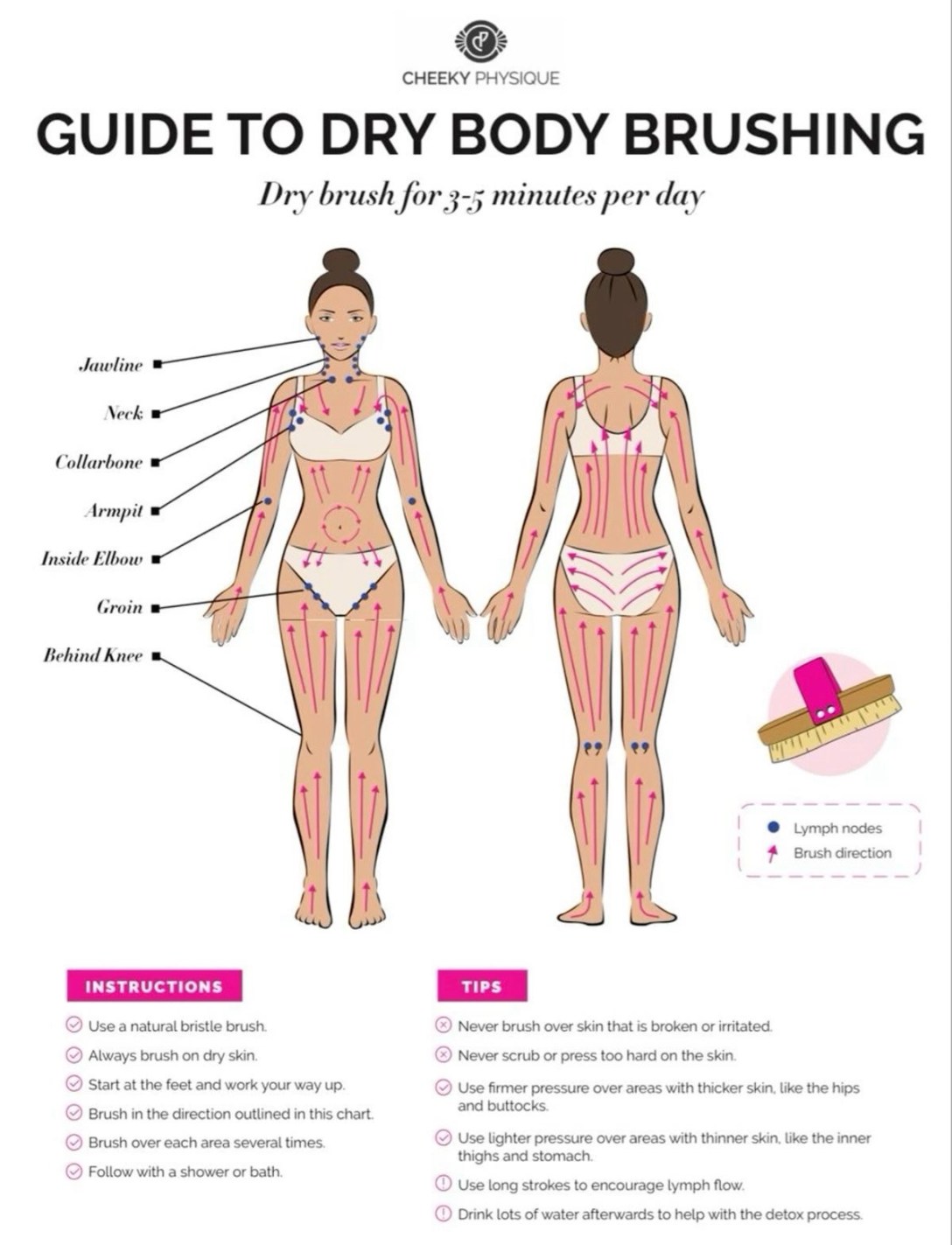
Dry brushing is a skincare technique that involves brushing your dry skin with a firm-bristled brush, usually before showering. It’s believed to improve the appearance and health of your skin and provide additional benefits for your body.

Benefits of Dry Brushing:

1. Exfoliation: Removes dead skin cells, leaving your skin smoother and softer.

2. Improved Circulation: Stimulates blood flow, which can give your skin a natural glow.

3. Lymphatic Drainage: Helps promote the movement of lymph, which may support detoxification.

4. Reduced Appearance of Cellulite: Some people believe it temporarily smooths and firms the skin, though this is not scientifically proven.

5. Energizing: The process can be invigorating and help you feel more awake.

How to Dry Brush:

1. Choose a natural-bristle brush with a firm but not harsh texture.

2. Start at your feet and brush upward toward your heart using long, gentle strokes or circular motions.

3. Move to your arms, starting at the hands and working toward the shoulders.

4. Brush your stomach and back using circular motions.

5. Shower afterward to rinse off exfoliated skin.

6. Moisturize your skin to lock in hydration.

Tips and Precautions:

• Avoid brushing sensitive or broken skin (cuts, rashes, or sunburns).

• Do it 2–3 times a week to avoid irritation.

• Clean your brush regularly to prevent bacteria buildup.

Dry brushing feels great and can leave your skin glowing, but it’s important to be gentle to avoid causing damage.

Time to Break the Spells That Have Been Placed on You

You are your own worst critic, but it’s time to break the spells that others have placed on you—the ones that make you doubt your worth or silence your voice.

Let me remind you: you are beautiful.

Your soul radiates with beauty and light. You have the power to do incredible things. Don’t give up on yourself, because you are capable, you are loved, and you make a difference every single day.

Too often, we let insecurities hold us hostage, convincing us to shrink and hide our true selves. But here’s the truth: every single one of us is unique, brimming with gifts that are meant to be shared. The world is waiting for your gifts, for your voice, for your authenticity.

When you start to see yourself as the miracle you are—and yes, you are a miracle—you’ll begin to recognize the beauty that already lives inside you. You’ll stop comparing yourself to others because nobody can be you, and nobody ever will.

So, embrace the life you’ve been given. Release the doubts, silence the negative voices, and step into the incredible person you are meant to be. The world needs you.

October Goals 2024

This month the focus is on Self-Love 🤍

  1. Practice Self-Compassion: Be mindful of your inner dialogue. Whenever self-criticism creeps in, counter it with kind, understanding words. Treat yourself like you would a close friend.
  2. Celebrate Your Wins: No matter how small, acknowledge and celebrate your accomplishments regularly. Write them down at the end of each day to reinforce your self-worth.
  3. Set a “Me-Time” Ritual: Dedicate at least one day a week for uninterrupted “me time” to do whatever makes you feel recharged, whether it’s reading, relaxing, or engaging in a hobby.
  4. Forgive Yourself: Let go of past mistakes and imperfections. Acknowledge that you’re human and that your growth matters more than any misstep.
  5. Create a Self-Love Journal: Write daily or weekly about what you love about yourself, your strengths, and your qualities that make you unique. Revisit these pages whenever you need a boost.

Figure Out “YOUR TRUTH”

Figuring out your truth and what you genuinely want can be a deeply personal and ongoing journey. It’s not uncommon to feel clear about your desires, only to have them shaken when exposed to external influences, especially social media. Here are some steps that might help you ground yourself in your truth:

1. Create Space for Reflection

When life gets busy or overstimulating, it becomes hard to hear your inner voice. Setting aside regular, quiet moments for reflection—whether through journaling, meditation, or even walks in nature—can help you reconnect with your deeper self. In these moments, ask yourself:

• What feels authentic to me?

• What activities, people, or ideas make me feel alive?

• What do I naturally gravitate toward when I’m not comparing myself to others?

2. Listen to Your Body and Emotions

Your body often holds the key to your truth. Pay attention to how you physically and emotionally react to different ideas, situations, or possibilities. When something aligns with your truth, you may feel lighter, energized, or excited. When something is out of alignment, you might feel heavy, tense, or anxious. Trust those signals.

3. Limit External Noise

Social media can easily cloud your perception of yourself, as it constantly exposes you to the lives and opinions of others. You might see what others have or desire, and it can create doubt or envy. Consider setting boundaries with how much time you spend on social media. When you do engage, practice mindful consumption: ask yourself why a certain post affects you and whether it aligns with what you value.

4. Define Your Core Values

Knowing your core values is essential in figuring out your truth. Ask yourself:

• What are the non-negotiables in my life?

• What principles do I live by, regardless of what others are doing?

Once you’ve defined these values, check in with them regularly to see if your desires and goals align with them. This helps you stay true to yourself even when external influences are strong.

5. Embrace the Fluidity of Your Desires

It’s okay for your wants and desires to change over time. Sometimes we fear that changing our minds means we don’t know ourselves, but growth often brings new perspectives. Give yourself permission to evolve, and trust that each phase is part of discovering your deeper truth.

6. Differentiate Between Ego Desires and Soul Desires

Ego desires often come from a place of external validation, comparison, or fear of missing out (FOMO). Soul desires, on the other hand, tend to be quieter but more persistent. They resonate with your deeper purpose and bring a sense of peace or fulfillment. When considering what you want, ask yourself:

• Am I wanting this because it feels true to me, or because it’s what I think I should want?

• Does this desire nourish my spirit, or does it come from seeking approval or fitting in?

7. Trust Yourself

Even though social media and external influences can be overwhelming, your inner compass is still there. Trust that you have the wisdom to discern what feels right for you. When in doubt, return to practices that ground you—yoga, meditation, or connecting with nature—and let that stillness help you reconnect to your truth.

Your journey of finding your truth might be connected to your self-care and yoga practices, allowing you to tune into your inner wisdom beyond the noise. Social media can offer inspiration, but your deepest answers lie within.

Why Is Learning To LOVE OURSELVES So Hard

Learning how to love ourselves can be challenging for several reasons, often tied to deeply rooted beliefs, societal influences, and personal experiences. Here are some of the key reasons why self-love can be so difficult:

1. Cultural and Societal Conditioning

• Many societies emphasize external validation and achievement, leading us to base our self-worth on how others perceive us or on meeting certain societal standards. This can create a sense that our value is conditional, making it hard to truly love ourselves unconditionally.

2. Negative Self-Talk and Inner Critic

• We often have an internal dialogue that’s far harsher than how we speak to others. This inner critic, fueled by past experiences or insecurities, can make us focus on our perceived flaws, failures, or inadequacies, overshadowing our strengths and worthiness.

3. Unresolved Past Trauma

• Experiences of trauma, rejection, or abandonment—especially in childhood—can deeply affect our ability to love ourselves. These experiences can create deep-seated beliefs that we are unworthy of love or that we have to earn it through certain behaviors or achievements.

4. Fear of Egoism or Narcissism

• Many people fear that loving themselves will come across as selfish or narcissistic. There’s often a misunderstanding between healthy self-love and egoism, leading some to suppress their self-appreciation to avoid being perceived negatively by others.

5. Comparison Culture

• With the rise of social media, comparing ourselves to others has become even more pervasive. Constant exposure to idealized images and lifestyles can lead to feelings of inadequacy, making it harder to appreciate and love ourselves as we are.

6. Conditioned Beliefs About Worthiness

• From a young age, many of us are conditioned to believe that love and worthiness must be earned through good behavior, success, or pleasing others. These beliefs can make us feel that we are only worthy of love under certain conditions, which complicates the journey to self-love.

7. Fear of Vulnerability

• Truly loving ourselves requires facing and accepting our vulnerabilities, imperfections, and past mistakes. This process can be uncomfortable and scary, as it involves confronting aspects of ourselves that we may have avoided or denied for a long time.

8. Lack of Role Models

• If we didn’t grow up seeing examples of healthy self-love, it can be difficult to know what that even looks like. Without role models who practice self-love, we might struggle to develop it ourselves.

9. Overemphasis on External Achievement

• Society often prioritizes success, productivity, and external accomplishments over inner well-being. This focus can lead us to seek validation from achievements rather than from within, making it harder to develop a sense of self-love that isn’t tied to external outcomes.

10. Difficulty in Accepting Ourselves as We Are

• We are often our own worst critics. Accepting ourselves with all our flaws, imperfections, and mistakes can be challenging, especially when we hold ourselves to unrealistic standards of perfection.

11. Deep-Seated Guilt or Shame

• Guilt and shame, often stemming from past actions or internalized beliefs, can block self-love. These emotions can be powerful and difficult to overcome, making it challenging to feel deserving of love and compassion.

12. Need for External Validation

• We often seek validation and love from others, which can become a substitute for self-love. When we rely too heavily on others for our sense of worth, it becomes difficult to cultivate an internal sense of self-love.

13. Complexity of Self-Discovery

• Self-love requires self-awareness and understanding, which involves delving into our true selves, including our desires, needs, and values. This journey of self-discovery can be complex and uncomfortable, making self-love harder to achieve.

14. Societal Norms Around Self-Sacrifice

• Many cultures glorify self-sacrifice, especially in roles like parenting or caregiving, where putting others’ needs before your own is often expected. This can lead to neglecting self-care and self-love, as it’s seen as less important than caring for others.

Learning to love ourselves is a journey that requires patience, self-compassion, and often unlearning old beliefs and patterns. It’s a process of gradually building a healthier relationship with ourselves, where we can appreciate our own worth, embrace our flaws, and treat ourselves with the kindness and understanding we deserve.

You Can’t Point The Finger Forever

At one point or another we’ve all done it. We have avoided responsibility and placed the blame on something. Our parents, our childhood, our lack of not knowing better, our friends, God, that door for being in the way that just stubbed our toe, etc.

It alleviates the guilt or negative feelings that we fill inside….but deep down we all know that choices, decisions, and reactions are our own.

Many of us prefer to play the victim rather than scatter the broken pieces and discover a new creation.

What good does blaming do? Truthfully, is there a positive outcome to making that choice?

Before you start pointing fingers, make sure your hands are clean

Bob Marley

He who has not sinned can cast the first stone

Jesus

I love these quotes, both of these shout LOOK AT YOURSELF. And reminds us that we are flawed just like the rest.

You’re not alone.

My kids are at that delightful age where there’s a fair amount of tattling and a great deal of blaming one another.

Mom, she made me do it!”

“It’s not my fault, it’s theirs.”

“I only did it because she told me to do that.”

*something doesn’t go their way* – This is YOUR fault!”

And so forth.

This kind of stuff is expected right now. They are kids!

Although,

I do believe there is importance in teaching children accountability, acknowledgement, and acceptance. As we know, you can’t point the finger forever.

There comes a time when each of us have to look at ourselves, reflect on our own choices and decisions and take accountability for our part. Whatever that may be.

I would say a majority of people don’t enjoy doing this. It isn’t a pleasant process. It’s like holding hands with guilt and shame while walking down an empty road. You don’t want to hold their hands but they know where they are going and you don’t.

This is necessary for our own personal growth. Especially if we have a goal to be our very best selves and want to move forward and make improvements in our life.

There are many grown ups out there who still behave like children and are saying exactly what my kids are saying.

This is all YOUR Fault!”

And guess what the other grown up is saying,

No, this is your fault!”

Neither grown up wants to take accountability for their part. How will the issue get resolved if someone doesn’t step up?

Again, because it’s hard. Who wants to admit when they are wrong? Be honest.

Let me share something,

when you begin to take accountability for the directions and outcomes in your life, your life changes. Someone may argue, “but I got dealt a bad hand of cards.”

Maybe that person did. There are many lives out there who have truly been dealt a shitty hand of cards. But there are also lives out there that even with their bad cards they played a heck of a game.

Even in poker you can win a game with a bad hand.

Learning to take accountability and learning to acknowledge what is changes your life, and it changes for the better. In doing so you learn to give yourself grace which leads to giving others grace. You learn to forgive yourself which leads to you forgiving others.

Everyone needs grace and forgiveness. If you can learn to give it to yourself, you can learn to give it to others.

We cling to too many pains and aches from the past. They are like anchors that hold us down from exploring.

And then we blame those pains and aches for the outcome of our lives. When all we have to do is release the anchor so we may set sail. We get frustrated at the knot that we tied.

Living a life of pointing the finger will do nothing but poison you. It poisons you to the core.

And if you keep letting your pointer finger poison you, eventually it paralyzes you.

That is not how you want to live your life. Beautiful things await when we acknowledge ourselves, our situations, our reactions, and recognize that we hold in ourselves more power than we know.

You are powerful. You are strong. You have strength inside of you to get you through what you are going through. It’s nobody’s fault.

Pain in our hearts can lead to bad choices. Think about that, and ponder it.

Let’s practice not pointing the finger together.

peace and love