The Real Reason We Don’t Have World Peace (And How We Can Find It Within)

“Peace cannot be kept by force; it can only be achieved by understanding.” – Albert Einstein

We talk about world peace as if it’s something out there — a dream we keep chasing but can’t quite reach. Yet maybe the reason we can’t find peace in the world is because we haven’t yet found it within ourselves.

Government shutdowns, wars, and constant divisions are only mirrors of a deeper human truth: we are disconnected. From each other. From nature. From the still voice inside us that remembers what really matters.

The Surface of Conflict

On the surface, countries fight over land, money, and power. Politicians argue over who’s right. But beneath it all lies the same root cause: fear.

Fear of losing control. Fear of not being enough. Fear of not being heard.

When fear leads, compassion fades. And when compassion fades, peace cannot survive.

The Inner War

The world is simply a reflection of the collective inner world of its people.

So many of us carry anger, guilt, resentment, or unhealed wounds — and those emotions ripple outward. We argue, we judge, we close our hearts. It’s no wonder nations do the same.

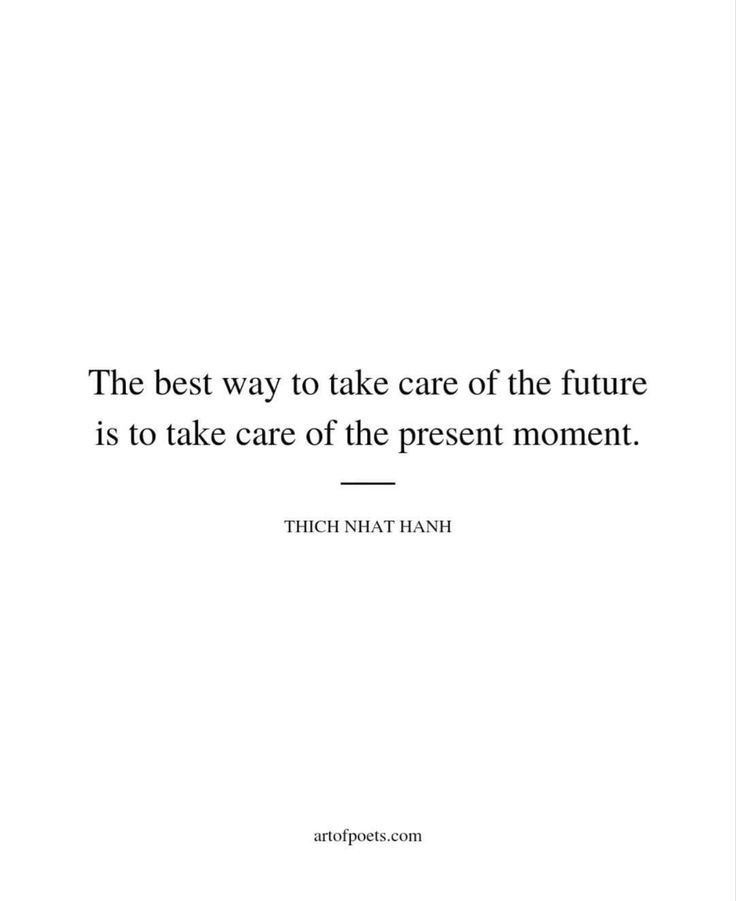
The truth is, world peace begins with inner peace.

When you choose to forgive someone instead of holding onto pain… when you pause before reacting in anger… when you take a breath instead of shouting back — you shift the frequency of the world around you.

That’s not just poetic. It’s energetic law.

The Forgotten Connection

We’ve been taught to see differences instead of similarities — race, religion, gender, politics. But beyond those layers, we are made of the same dust, the same breath, the same light.

When you look into someone’s eyes and see yourself reflected there, peace is already happening.

We forget that we are not separate waves crashing against each other — we are the same ocean, simply moving in different forms.

The Hope That Still Lives

World peace might never come from a treaty or a politician’s promise.

It might come from something much quieter — the mother teaching her children to be kind, the friend who listens without judgment, the stranger who offers a smile when you need it most.

Every small act of love is a piece of peace.

And when enough of us find peace inside ourselves, the world will no longer have a choice but to reflect it back.

Where Do We Draw The Line?

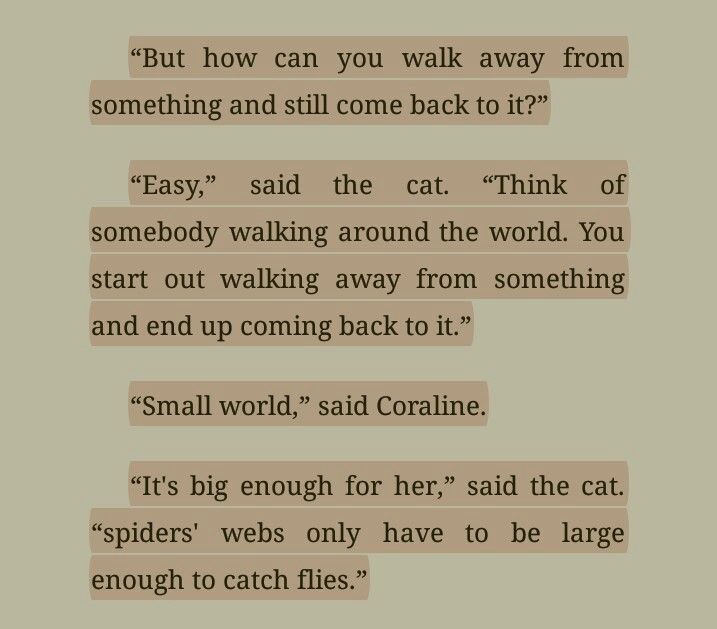
Recently, I watched the movie Coraline and a YouTube video on Taoist philosophy, and both left me reflecting deeply on human nature and our constant craving for more.

In Coraline, the children lost their souls, not because they didn’t have enough, but because even when they were given everything they desired, it still wasn’t enough. A chilling thought, isn’t it? This dark and haunting animation earned an Oscar for a reason—it shines a light on something real and unsettling within us. (I throughly enjoyed this thought provoking movie.)

Similarly, the Taoist philosophy video explored how this endless quest for “more” leads to stress, burnout, and withdrawal from peace. Or, like in Coraline, it can even cost us our souls—though perhaps not in a literal sense, but in how we lose touch with ourselves, our purpose, and what really matters.

Do you see the connection?

So, where do we draw the line? When do we step back and say, “I’m good. I have enough.”

I believe awareness is the first step. Developing an awareness of these traps—this cycle of more, more, more—can help us catch ourselves before we fall deeper into it. But awareness isn’t always enough. We need something more substantial: an armor to protect us from the constant pull of these traps.

How do we build that armor? Honestly, I wish I had a straight answer. But what I do know is this: it starts with doing the inner work. Looking at yourself—really seeing yourself. Asking the hard questions about what you truly need versus what you’re chasing out of habit, pressure, or comparison.

It’s not easy. It’s uncomfortable, messy, and often takes time. But I believe learning to “draw the line” isn’t just something we need—it’s something we all deserve. A chance to reclaim our peace, to step off the hamster wheel, and to say, “This is enough.”

(YouTube video in case you’re interestedclick here )

Your Truth May Not Be The Same For Another

I was listening to a podcast recently, and the host shared an interesting perspective: he believed that life often makes us repeat certain patterns or lessons until we finally “get it.” It was a humbling realization for him, but his guest gently challenged him, saying, “That might be true for you, but it doesn’t mean it’s the truth for everyone.”

This idea really struck me. How often do we assume that what feels true for us must automatically apply to everyone else?

It reminded me of a story I came across that perfectly illustrates this idea:

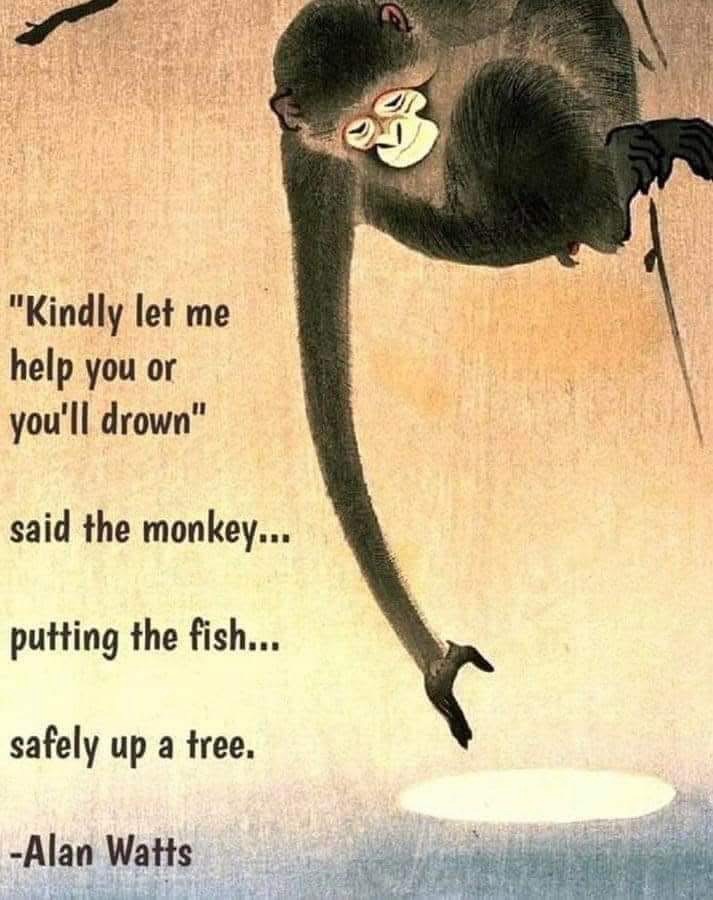
There was a monkey who lived in a forest tree by a river. One day, the monkey saw a fish swimming in the river and thought the fish was struggling. Feeling compassionate, the monkey resolved to save it. It climbed down the tree, scooped the fish out of the water, and placed it gently on a branch. The fish flapped violently and soon died. The monkey was heartbroken and confused—it had only wanted to help.

This story offers such a powerful lesson. The monkey, out of good intentions, misjudged the situation because it viewed the fish’s needs through its own perspective. It assumed that what was natural and necessary for itself—living on land and breathing air—must also apply to the fish. In trying to help, the monkey unknowingly caused harm, simply because it didn’t take the time to truly understand the fish’s environment and needs.

How often do we, with the best intentions, do the same? We may impose our beliefs, values, or ways of living onto others, assuming they must see the world as we do. But the truth is, each of us is shaped by our unique environment, experiences, and perspective. What feels like “truth” for one person may not resonate at all for another.

This story invites us to step back and ask: Am I truly understanding someone else’s experience, or am I projecting my own onto them? Am I listening, or am I assuming?

The beauty of the world lies in its diversity—not just in nature but in thought, belief, and experience. By cultivating empathy and recognizing that we all have our own “water” or “land” to thrive in, we can approach others with a deeper sense of understanding and respect.

Next time you’re tempted to “help” someone or share what you think they need to hear, pause. Consider whether you’re seeing their life through their eyes—or through your own.

Because the truth is, your truth may not be the same truth for another.

Comparison Is The Thief Of Joy

Albert Einstein once said, “If you judge a fish by its ability to climb a tree, it will live its whole life believing that it is stupid.” How often do we judge ourselves—or others—by the wrong standards?

How often do we believe we should climb a tree when we’re meant to swim?

See yourself for who you truly are. Explore the journey of self-discovery. How else do we grow?

The truth is, each of us is our own. You can’t compare your growth to someone else’s. You are not meant to be them, and they are not meant to be you. Some people thrive in the spotlight, sharing their lives boldly for all to see, while others find their strength in private moments, nurturing their growth quietly. Neither is wrong. Both are necessary.

It’s easy to get caught up in the comparison game, measuring ourselves against someone else’s timeline, achievements, or personality. But just as every flower blooms in its own time and place, so do we. The garden of life is vibrant because of its variety, not its uniformity.

If we think about flowers for a moment: some stretch tall toward the sun, like sunflowers basking boldly in the light. Others bloom quietly in the shade, like lilies of the valley, hidden yet exquisite in their own way. And then there are flowers like the rare corpse flower, which might take years—sometimes decades—before it reveals its unique bloom.

Instead of judging or comparing yourself, embrace who you are and the unique way you are growing. Your purpose isn’t to mimic another person’s path but to walk your own with authenticity. Trust that you are exactly where you need to be, and that your growth is unfolding as it should.

And remember: the same applies to others. Just as you wouldn’t expect a fish to climb a tree, don’t hold others to impossible or unfair expectations.

The world doesn’t need you to be like anyone else. It just needs you to be fully, beautifully, and unapologetically you.

Reading Is Power

“Powerful writings are burned like a brand into the collective consciousness of a culture, even if very few people take the time to read those writings.” – Burke Hedges

Reading is transformative. It has been said, “reading is to the mind what exercise is to the body,” and I couldn’t agree more. There’s something magical about seeing someone engrossed in a book or having a conversation with someone who loves to read.

Books have shaped me in countless ways, and I often wonder who I would be without them. I’m endlessly grateful for the courage of writers who share their stories, perspectives, journeys, imaginations, and philosophies with the world. Through their words, we gain insight into the beauty and complexity of being human.

What strikes me most about reading is how it bridges our differences. While we all have unique experiences, books reveal how deeply connected we are. They remind us that, at our core, we share the same struggles, joys, and desires. Reading doesn’t just expand our knowledge—it strengthens our empathy and helps us see ourselves in one another.

So, pick up a book. Let it challenge you, inspire you, or simply comfort you. Reading is more than a pastime; it’s a gateway to understanding and connection.

Skip The Short Cut, Take The Long Drive

You notice with age we seem to always be in a rush. And for what? Why are us grown-ups always rushing? It’s like we think something catastrophic will happen if we’re “not on time.” We’re so consumed with getting to the next thing that we barely savor where we are.

For a while, I kept catching myself saying, “real fast.”

“Let me do the dishes real fast.”

“I gotta go to the bathroom real fast.”

“Let me make this call real fast.”

“Let me eat this real fast.”

Why? Why am I rushing everything “real fast” all the time? It’s like I was stuck in a loop—accomplish one task, move to the next, repeat. We have so much to do, but are we really living while we do it?

The truth is, we lack patience. How do you truly embrace and enjoy the ending of a book, a movie, or a show if you just skipped through the whole thing? Life is the same way. It’s an experience meant to be lived fully, not hurried through. The so-called “boring parts” or long highways of life are what make the destination that much sweeter.

So take your time. Let the journey unfold naturally. It’s not about how quickly you get there; it’s about how much of the road you let yourself feel along the way.

Most People Are More Concerned About Themselves Than They Are About You

In other words, stop worrying so much about what others think. Truthfully, they don’t care nearly as much as you imagine.

How often do we hold ourselves back because we’re afraid of others’ perceptions? Too often.

But here’s the thing: people are busy living their own lives. They’re caught up in their own thoughts, insecurities, and struggles. They don’t have the time or energy to analyze every little thing you do. So why let the fear of their judgment hold you back?

Try, fail, learn, and grow. That’s the cycle of life. And if you’re constantly worrying about what others might think, you’ll never move forward. You’ll stay stuck, and that fear will steal your potential.

Remember this: your life is yours to live. The opinions of others are fleeting, but the opportunities you seize—or let pass—will define your journey. Stop holding back. Trust yourself and take the leap.

The Future Is Uncertain

The truth is, nobody knows the future. Life has a way of reminding us of this through unexpected twists and turns, cultivating surreal moments that catch us off guard.

But isn’t this exactly how we’d want it? Alan Watts once suggested that if we could dream any life we wanted, we’d start by fulfilling every desire and experiencing endless pleasure. Yet eventually, we’d crave surprise and risk. Finally, we’d choose the life we’re living now—filled with uncertainty and the thrill of the unknown.

Life is uncertain, and that’s its beauty. It invites us to appreciate each day as it comes, embracing what we don’t know with open hearts. So welcome every sunrise with gratitude and grace, and trust that the uncertainty of today holds the magic of possibility.

Every Moment Is An Opportunity

A few years ago, our family traveled to the pines for a weekend getaway on Father’s Day with some great friends. As we drove, I saw a sign that read, “Every moment is an opportunity.” Those words resonated with me deeply and sparked some reflection. I started thinking about how much potential lies in the small moments we often overlook. How many of those little opportunities could we take advantage of each day? A moment is just a brief period of time, but we are always in one—whether it’s a big moment, a small moment, or something in between. And all of them are opportunities for growth, reflection, or connection.

Life itself is a moment, a fleeting gift. None of us will live on earth forever, and knowing that can inspire us to be fully present, to make the most of the time we have, and to view each moment as a chance to be a little kinder, a little braver, or a little more grateful.

So today, think of every moment as a door waiting to be opened. Step into each one with intention, and allow the magic of that opportunity to shape you in new and beautiful ways.

The Power Of Words

Many people are oblivious to the power of their words. I can almost guarantee there is something you have said to someone that they have never forgotten. Hopefully, it’s something positive, not something negative. Most often, we tend to remember the things that were said to us that hurt our feelings. I can definitely recall things that have hurt me, and I remember who said them too. I’m sure you can think of a thing or two as well—comments or remarks that have stuck with you for years. It’s crazy, right? One comment, maybe even offhand, and it becomes etched into memory.

This is one of the reasons why I love reading and why I enjoy blogging. Something I may write or say in a blog might resonate with someone, leaving a lasting, hopefully positive, impact. Words are powerful, whether spoken or read, and they shape us in ways we often don’t realize.

There’s a powerful Buddhist teaching that aligns beautifully with this idea: “Before you speak, let it pass through three gates. Is it true? Is it kind? Is it necessary?” This is a practice worth practicing. If we make it a habit to pause and reflect on these three questions, we might spare others (and ourselves) unnecessary hurt and offer a little more kindness and truth.

Being mindful of our words takes patience, but even small efforts make a difference. When we speak with care and intention, we’re more likely to build others up rather than tear them down, even in the smallest exchanges. After all, in a world where words carry so much power, why not choose to leave behind words that heal, uplift, and inspire?