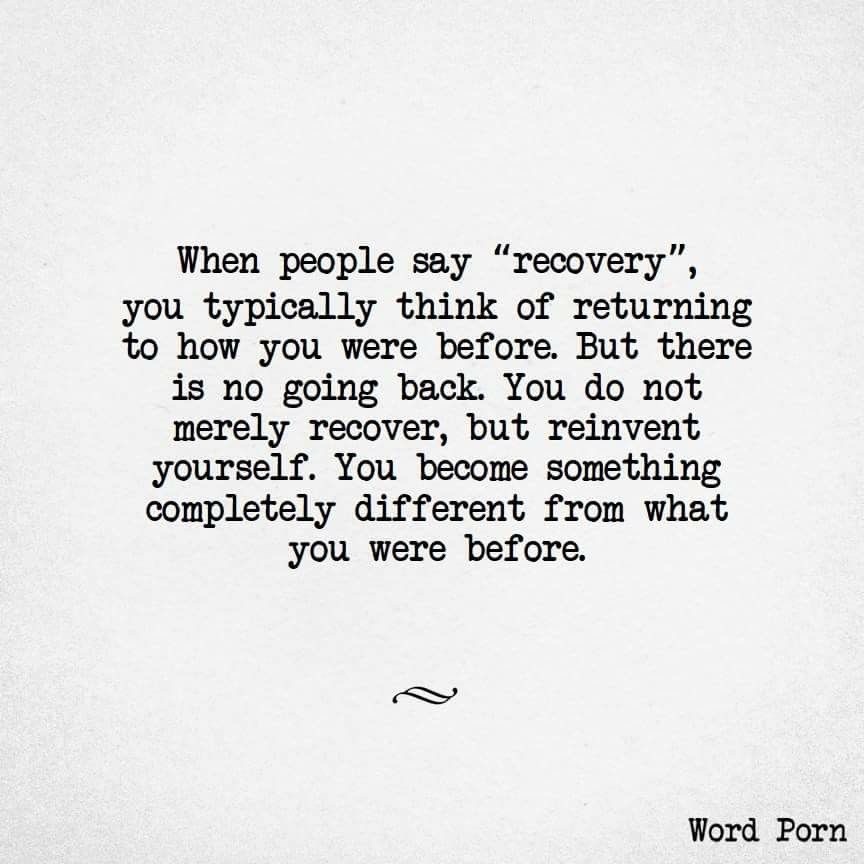
Figure Out “YOUR TRUTH”

Figuring out your truth and what you genuinely want can be a deeply personal and ongoing journey. It’s not uncommon to feel clear about your desires, only to have them shaken when exposed to external influences, especially social media. Here are some steps that might help you ground yourself in your truth:

1. Create Space for Reflection

When life gets busy or overstimulating, it becomes hard to hear your inner voice. Setting aside regular, quiet moments for reflection—whether through journaling, meditation, or even walks in nature—can help you reconnect with your deeper self. In these moments, ask yourself:

• What feels authentic to me?

• What activities, people, or ideas make me feel alive?

• What do I naturally gravitate toward when I’m not comparing myself to others?

2. Listen to Your Body and Emotions

Your body often holds the key to your truth. Pay attention to how you physically and emotionally react to different ideas, situations, or possibilities. When something aligns with your truth, you may feel lighter, energized, or excited. When something is out of alignment, you might feel heavy, tense, or anxious. Trust those signals.

3. Limit External Noise

Social media can easily cloud your perception of yourself, as it constantly exposes you to the lives and opinions of others. You might see what others have or desire, and it can create doubt or envy. Consider setting boundaries with how much time you spend on social media. When you do engage, practice mindful consumption: ask yourself why a certain post affects you and whether it aligns with what you value.

4. Define Your Core Values

Knowing your core values is essential in figuring out your truth. Ask yourself:

• What are the non-negotiables in my life?

• What principles do I live by, regardless of what others are doing?

Once you’ve defined these values, check in with them regularly to see if your desires and goals align with them. This helps you stay true to yourself even when external influences are strong.

5. Embrace the Fluidity of Your Desires

It’s okay for your wants and desires to change over time. Sometimes we fear that changing our minds means we don’t know ourselves, but growth often brings new perspectives. Give yourself permission to evolve, and trust that each phase is part of discovering your deeper truth.

6. Differentiate Between Ego Desires and Soul Desires

Ego desires often come from a place of external validation, comparison, or fear of missing out (FOMO). Soul desires, on the other hand, tend to be quieter but more persistent. They resonate with your deeper purpose and bring a sense of peace or fulfillment. When considering what you want, ask yourself:

• Am I wanting this because it feels true to me, or because it’s what I think I should want?

• Does this desire nourish my spirit, or does it come from seeking approval or fitting in?

7. Trust Yourself

Even though social media and external influences can be overwhelming, your inner compass is still there. Trust that you have the wisdom to discern what feels right for you. When in doubt, return to practices that ground you—yoga, meditation, or connecting with nature—and let that stillness help you reconnect to your truth.

Your journey of finding your truth might be connected to your self-care and yoga practices, allowing you to tune into your inner wisdom beyond the noise. Social media can offer inspiration, but your deepest answers lie within.

HEALING Is What I Really Want To Do

List three jobs you’d consider pursuing if money didn’t matter.

Well, I really want to help and heal people. Mind, body, and spirit kind of healing. I believe in the connection.

It’s such a miraculous and beautiful thing and I want to bring that awareness to the surface.

I would love to host yoga classes focusing more so on women, children, and mothers.

Perform sound baths, self-love workshops, have my own studio where people feel safe and comfortable being themselves.

How I would love to have many books too. All sorts of books!

And maybe one day I will……who knows.

8 Benefits to MINDFUL BREATHING

1. Reduces Stress and Anxiety: Mindful breathing activates the parasympathetic nervous system, calming the body and lowering stress hormones like cortisol.

2. Enhances Focus and Clarity: By focusing on your breath, you quiet the mind and improve concentration, making it easier to stay present and focused.

3. Improves Emotional Regulation: It helps you respond to emotions with awareness, giving you more control over your reactions instead of being overwhelmed.

4. Lowers Blood Pressure: Slow, deep breathing can help lower blood pressure by relaxing the blood vessels and improving circulation.

5. Boosts Self-Awareness: It increases awareness of your thoughts, emotions, and physical sensations, promoting a deeper connection with yourself.

6. Supports Better Sleep: Practicing mindful breathing before bed can calm the mind and body, making it easier to fall asleep and enjoy restful sleep.

7. Increases Energy Levels: Deep breathing improves oxygen intake, which helps energize the body and mind, leaving you feeling refreshed.

8. Promotes Mind-Body Connection: It fosters a stronger connection between your physical sensations and mental state, which can lead to greater overall well-being.

Mindful breathing is simple yet powerful—regular practice can bring profound benefits for both mental and physical health.

Why Is Learning To LOVE OURSELVES So Hard

Learning how to love ourselves can be challenging for several reasons, often tied to deeply rooted beliefs, societal influences, and personal experiences. Here are some of the key reasons why self-love can be so difficult:

1. Cultural and Societal Conditioning

• Many societies emphasize external validation and achievement, leading us to base our self-worth on how others perceive us or on meeting certain societal standards. This can create a sense that our value is conditional, making it hard to truly love ourselves unconditionally.

2. Negative Self-Talk and Inner Critic

• We often have an internal dialogue that’s far harsher than how we speak to others. This inner critic, fueled by past experiences or insecurities, can make us focus on our perceived flaws, failures, or inadequacies, overshadowing our strengths and worthiness.

3. Unresolved Past Trauma

• Experiences of trauma, rejection, or abandonment—especially in childhood—can deeply affect our ability to love ourselves. These experiences can create deep-seated beliefs that we are unworthy of love or that we have to earn it through certain behaviors or achievements.

4. Fear of Egoism or Narcissism

• Many people fear that loving themselves will come across as selfish or narcissistic. There’s often a misunderstanding between healthy self-love and egoism, leading some to suppress their self-appreciation to avoid being perceived negatively by others.

5. Comparison Culture

• With the rise of social media, comparing ourselves to others has become even more pervasive. Constant exposure to idealized images and lifestyles can lead to feelings of inadequacy, making it harder to appreciate and love ourselves as we are.

6. Conditioned Beliefs About Worthiness

• From a young age, many of us are conditioned to believe that love and worthiness must be earned through good behavior, success, or pleasing others. These beliefs can make us feel that we are only worthy of love under certain conditions, which complicates the journey to self-love.

7. Fear of Vulnerability

• Truly loving ourselves requires facing and accepting our vulnerabilities, imperfections, and past mistakes. This process can be uncomfortable and scary, as it involves confronting aspects of ourselves that we may have avoided or denied for a long time.

8. Lack of Role Models

• If we didn’t grow up seeing examples of healthy self-love, it can be difficult to know what that even looks like. Without role models who practice self-love, we might struggle to develop it ourselves.

9. Overemphasis on External Achievement

• Society often prioritizes success, productivity, and external accomplishments over inner well-being. This focus can lead us to seek validation from achievements rather than from within, making it harder to develop a sense of self-love that isn’t tied to external outcomes.

10. Difficulty in Accepting Ourselves as We Are

• We are often our own worst critics. Accepting ourselves with all our flaws, imperfections, and mistakes can be challenging, especially when we hold ourselves to unrealistic standards of perfection.

11. Deep-Seated Guilt or Shame

• Guilt and shame, often stemming from past actions or internalized beliefs, can block self-love. These emotions can be powerful and difficult to overcome, making it challenging to feel deserving of love and compassion.

12. Need for External Validation

• We often seek validation and love from others, which can become a substitute for self-love. When we rely too heavily on others for our sense of worth, it becomes difficult to cultivate an internal sense of self-love.

13. Complexity of Self-Discovery

• Self-love requires self-awareness and understanding, which involves delving into our true selves, including our desires, needs, and values. This journey of self-discovery can be complex and uncomfortable, making self-love harder to achieve.

14. Societal Norms Around Self-Sacrifice

• Many cultures glorify self-sacrifice, especially in roles like parenting or caregiving, where putting others’ needs before your own is often expected. This can lead to neglecting self-care and self-love, as it’s seen as less important than caring for others.

Learning to love ourselves is a journey that requires patience, self-compassion, and often unlearning old beliefs and patterns. It’s a process of gradually building a healthier relationship with ourselves, where we can appreciate our own worth, embrace our flaws, and treat ourselves with the kindness and understanding we deserve.

How Can I Become A MINIMALIST

Becoming a minimalist is about simplifying your life, focusing on what truly matters, and reducing excess. Here’s a step-by-step guide to help you get started:

1. Define Your “Why”

• Clarify Your Motivation: Understand why you want to embrace minimalism. Whether it’s reducing stress, saving money, or creating more time for what you love, having a clear purpose will keep you motivated.

2. Start Small

• Declutter: Begin with one area, like a drawer, closet, or room. Sort items into categories: keep, donate, sell, or discard.

• Digital Declutter: Organize your digital life by clearing out unnecessary files, emails, and apps.

3. Adopt the “One In, One Out” Rule

• Balance Your Possessions: For every new item you bring into your home, let go of an old one to maintain balance and avoid clutter.

4. Prioritize Quality Over Quantity

• Invest in Essentials: Choose high-quality, versatile items that serve multiple purposes or have a long lifespan.

5. Simplify Your Schedule

• Focus on Priorities: Eliminate activities or commitments that don’t align with your goals or values. Free up time for what truly matters.

6. Practice Mindful Consumption

• Intentional Buying: Before purchasing anything new, ask yourself if it truly adds value to your life or if it’s just an impulse.

7. Let Go of Sentimental Items

• Keep the Memories, Not the Items: It can be challenging, but try to keep only those items that truly hold meaning. Consider taking photos of sentimental objects before letting them go.

8. Embrace Simple Living

• Focus on Experiences: Shift your focus from acquiring things to creating meaningful experiences.

9. Create a Capsule Wardrobe

• Simplify Clothing Choices: Curate a small collection of versatile, mix-and-match clothing that you love and wear regularly.

10. Review Regularly

• Evaluate Your Progress: Periodically review your possessions and commitments to ensure they align with your minimalist goals.

Minimalism is a personal journey, so take it at your own pace and customize it to fit your lifestyle and values.

Breaking Down The Traditional 4 SEASONS OF A WOMAN

The concept of the “four seasons of a woman” is often used as a metaphor for the different phases of a woman’s life or menstrual cycle, each reflecting the changes in energy, emotions, and focus. These phases are likened to the natural cycles of the seasons—spring, summer, autumn, and winter—each bringing its own rhythm and purpose.

Here’s a breakdown of the four seasons in terms of the menstrual cycle:

1. Spring – Follicular Phase (Post-Menstruation)

Energy: This is the time just after menstruation, when energy levels begin to rise.

Associated with: Renewal, growth, creativity, and optimism.

How you might feel: Rejuvenated, inspired, more mentally clear, and motivated to start new projects or take action.

Best activities: Learning, planning, setting intentions, trying new things, physical activities like yoga or exercise.

2. Summer – Ovulation Phase

Energy: This is the peak of a woman’s cycle, when energy is high, and social connections feel easy and fulfilling.

Associated with: Fertility, connection, communication, and radiance.

How you might feel: Confident, magnetic, outgoing, and emotionally open. It’s often a time when relationships feel easier, and you might feel more attractive and connected to others.

Best activities: Social events, networking, creative expression, nurturing relationships.

3. Autumn – Luteal Phase (Pre-Menstruation)

Energy: Energy starts to decline as your body prepares for menstruation.

Associated with: Reflection, grounding, letting go.

How you might feel: More inward-focused, analytical, sometimes irritable or sensitive, but also able to address deeper truths and cut through the superficial.

Best activities: Organizing, completing tasks, setting boundaries, journaling, self-care practices, and letting go of what’s not serving you.

4. Winter – Menstrual Phase

Energy: Energy is at its lowest during menstruation, and it’s a time of rest and renewal.

Associated with: Release, introspection, stillness, and healing.

How you might feel: Tired, reflective, needing rest and solitude. It’s a time to honor your body’s need for restoration.

Best activities: Resting, meditating, reflecting on the past cycle, and setting intentions for the next one. This is a powerful time for self-reflection and spiritual connection.

The Seasons as Phases of Life:

This concept can also apply to the phases of a woman’s life:

1. Spring (Maiden): Youth, discovery, and growth.

2. Summer (Mother): Nurturing, creativity, and building.

3. Autumn (Queen): Wisdom, leadership, and mastery.

4. Winter (Crone): Rest, reflection, and spiritual depth.

Each season has its own beauty, purpose, and challenges. Embracing the ebb and flow of these cycles can help with self-awareness, self-care, and alignment with your natural rhythms. 


A book I highly recommend is ‘4 seasons in 4 weeks’ by Suzanne Mathis McQueen.

The author approaches the menstrual cycle a bit differently from the traditional breakdown I just shared. In her model, Autumn (Fall) is aligned with menstruation.

She shifts everything one season forward but still keeps the cyclical nature of energy flow. It’s really more about perspective and how the phases are framed around energy and renewal.

Are you in tune with your seasons?

xox marie

Make Time For Things You Enjoy

As a child fun seems to always be at reach. It’s tangible. It’s free. It’s easy. Children can find joy in the littlest of things. The spark they gather in their eyes is pure magic.

As we get older life happens.

The colors that were once so vibrant in our life begin to fade. No longer are we new, we’ve developed cracks and have broken pieces that we don’t know what to do with.

It’s so important, it’s so necessary, it’s vital I would say to bring that inner child back to life as we age.

Fun needs to become a priority and we have to make time for it as crazy as that is.

I have to make time for fun?”

ONE HUNDRED PERCENT YES!!!

The more we incorporate the things we once enjoyed as children believe it or not those dull colors in your life become bright once again.

Maybe those colors never went dull to begin with, the light was just on a dim setting.

And those broken pieces? Let fun be the super glue.

You deserve to laugh, you deserve to smile, you deserve to feel joy in our life.

Make that time.

Xox marieelizabeth

One Topic That I Think Is Fascinating is……

Which topics would you like to be more informed about?

Quantum physics.

I had an incredibly deep conversation just the other day with ChatGPT about this topic because I wanted to understand it better.

Check it out. Mind blowing kinda stuff.

(Little bit of a read but worth it if you’re into that kinda stuff, which in my opinion is incredible stuff to know)

Me:

“Can you explain more to me about quantum physics? I understand better I feel in analogies and metaphors. Einstein said that if you cannot explain to a child then you don’t know it very well. And I want to understand this so I can explain it to my children.”

ChatGPT:

“That’s a great approach—Einstein’s idea about explaining things simply is key! Quantum physics can seem complex, but let’s break it down with metaphors and analogies.

The Basics of Quantum Physics

Quantum physics is the science that explains how the tiniest parts of the universe—like atoms and particles—behave. It’s very different from the everyday world we’re used to because these tiny particles don’t always follow the same rules as larger objects.

  1. The Ocean and Water Drops

Think of the universe like an ocean. In the ocean, there are individual drops of water, just like the universe has individual particles. In the ocean, these drops are part of something larger, and they move together, often unpredictably, with waves and currents.

Similarly, particles at the quantum level are part of a larger whole, and they behave in ways that seem unpredictable. Sometimes, a particle (like a drop) is “here” and “there” at the same time, or it can “decide” where to go only when you look at it. This is called superposition—just like a water drop in a wave, its exact position isn’t clear until you really focus on it.

  1. The Magic Coin Toss

Imagine tossing a coin, but instead of it landing on heads or tails, it stays in a “both heads and tails” state until someone looks at it. The moment you look, it decides which side to land on. This is similar to the observer effect in quantum physics. Particles exist in many possible states, but the moment you observe them, they “choose” a state.

  1. Twins with a Telepathic Connection

Now, imagine you have twin children who share a magical telepathic bond. No matter how far apart they are, if one gets hurt, the other immediately feels it. In quantum physics, this is called entanglement. When two particles become entangled, they stay connected even if they’re light-years apart. If you change something about one particle, the other one instantly changes, no matter the distance.

  1. The Fuzzy Dice

Picture rolling fuzzy dice, but these dice don’t behave normally. When you roll them, you might expect them to land on a specific number. In quantum physics, the dice represent particles, but instead of having one definite outcome, they can land in many different ways. You can’t predict exactly what number will show up until you observe it—it’s all about probabilities. This is quantum uncertainty, meaning we can never know everything about a particle, only the likelihood of certain outcomes.

Tying it Together

Quantum physics is like stepping into a magical world where particles don’t follow the normal rules. Things can be in two places at once, can be connected across huge distances, and outcomes are often uncertain until we observe them.

Some people think of quantum physics as having spiritual parallels because it hints that everything is interconnected, and consciousness (like observing the magic coin) may influence reality. It shows that the universe is far more mysterious and fluid than we can easily grasp.

Does this analogy help you understand it better?

.

.

.

.

Our conversations continued but what do think about that! Is your mind not blown!

Maybe I’ll share the whole convo on another blog.

Xox Marie

While Trying To Discover My identity This Is What I Realized

I read a blog not long ago and a girl was sharing what she felt she identified with. A hint of jealousy hit because I thought how lucky is she to know who she is and what she identifies with.

But then as I was driving to pick up my kids from school this little story came to my head,

A rainbow goes to a cloud and asks, “what color am I?”

The cloud says, “you’re blue.”

The rainbow goes to another cloud and asks the same question.

This time the response was, “you’re red.”

The rainbow asked many different clouds the same question and each response was just a different color.

The rainbow becomes frustrated. Thoughts emerge.

“Will I ever know who I am?”

I feel so lost.”

How are others so sure of themselves but I still can’t figure it out?”

The rainbow shouted, “I don’t understand! What color I am!”

The rainbow decides to ask a bird this time.

Little bird, what color am I?

The bird says, “Well, you’re a rainbow my dear! You are more than one color!” And then flys away.

And then it hit me. I do not conform to one thing. I am many beautiful things, made up of all sorts of color, like a rainbow!

Here I am searching for my identity, only to realize I’m a little bit of everything!

If you’re struggling with your identity, then you’re probably a rainbow as well my friend.

Which makes us pretty special, don’t you think?

Peace and love ,

Marie

My Life Without Music? HOW SAD!

What would your life be like without music?

I wouldn’t even have a life, are you kidding me! This was my first immediate thought. As I’m listening to music in this current moment.

In a nutshell it would be very depressing.

My life would be colorless, stagnant.

Nothing would ever bloom, and my life would starve for some rain.

Thank God for the universal language that WE DO HAVE.

Xox – Marie