Soften The Heart: Devotional #25

“Not my will, but yours be done.”

Luke 22:42

What a powerful statement. What Jesus said right here is, I trust you.

I love this scripture so much because it reveals that without a doubt we are going to go through some really hard things, just like Jesus did.

And instead of questioning God, we stop.

We eventually, ultimately, surrender.

We acknowledge that this isn’t what we want, but we say I trust you God.

We say, if this is how it’s suppose to be I trust you. I know you are with me, I trust you. And then we fully give it to GOD.

I said this prayer just a few days ago to God while in great pain and suffering…..not my will but yours be done.

I more so told God in my head that this isn’t what I wanted but if this is the plan for me and this is how my life is suppose to end I fully trust you God. I told God that I surrendered.

I told God that I trusted him and that if this was my time to go that I would accept it. I wasn’t going to question what was happening. Even though it’s not what I wanted I let God know once again that I trusted Him. I told God that I would be sad to not watch my children grow though.

After I spoke with God, I let it all go.

The rest was completely out of my hands and how this was going to end was something I trusted with God. I trusted his plan for me and my family.

How thankful I am for my faith and for Gods Word. Countless times I feel as if my hand has been held.

Now, what led me to that moment with God was I woke up with some minor abdominal cramping, very minor. As the morning continued the pain increasingly progressed to the point where I could barely even walk.

I called for my husband and he rushed home from work and raced me to the ER.

After an hour later of excruciating pain they discovered that I had a twisted intestine and that it was attached to a scar adhesion from a precious c-section.

Things got real, real fast when they said they were sending a helicopter for me to get surgery right away.

It was in that moment where I knew this was very serious. I was in too much pain to be scared but I knew my husband was terrified.

This is where I surrendered. I wanted the pain to end. I was letting go while fighting. It’s a hard thing to explain.

But I can fully say that I put my trust in God. Words can’t fully express how I felt when I woke up after the surgery and even how I still feel in this moment.

My testimony has grown in a way that excites me and that I’m eager to share. I have been redirected in the most beautiful way.

The word of God gives hope. The word of God gives peace. The word of God gives us strength.

What I have gone through God has been with me the entire time.

And I’m so grateful to have trust Him.

Thank you Lord, amen.

Dears Readers, I Had an EMERGENCY abdominal Surgery! – Bowel Obstruction Surgery

I’m still in shock.

I’m currently recovery at home and it’s been about 4 days now since my surgery.

I will write another blog soon letting you all know what went down but I may not post for a while because I really need to focus on my healing.

Or a few of my posts going forward for a bit may be recovery and healing related.

One thing for sure I am incredibly grateful to be here. This was very sudden and completely unexpected. I have been overwhelmed by love from family and friends.

God truly carried me through this from the beginning and my trust is completely in Him.

I got home yesterday from the hospital (today is Saturday and this all went down on Tuesday) and being able to hold my children and stroke their hair and give them kisses is something I am not taking for granted.

I have learned so much from this experience and how much more eager I am to help and heal people!

Remember my friends, it truly is the littlest things that leave such powerful impacts.

Examples would be:

  • A gentle touch 
  • Sincerity in the eyes
  • Tone of voice 
  •  A warm smile 
  • Story telling
  •  Sense of humor 

God bless all of you, and thank you from the bottom of my heart for being here.

Marie

20 DEEP Questions To Reflect On – Journaling Prompt

Here are 20 deep questions to reflect on to help you understand who you are:

1. What are my core values, and how do they influence my decisions?

2. What are my biggest fears, and where do they come from?

3. How do I define success for myself, independent of others’ opinions?

4. What do I believe is my purpose in life?

5. In what areas of my life do I feel most at peace, and why?

6. What experiences have shaped my identity the most?

7. How do I handle failure, and what do I learn from it?

8. What kind of relationships nourish my soul, and which ones drain me?

9. When do I feel most authentic, and when do I feel like I’m wearing a mask?

10. How do I speak to myself during hard times? What does that reveal about my self-love?

11. What parts of my past am I still holding onto, and how do they affect me today?

12. What role does forgiveness play in my life—for both myself and others?

13. What do I need to let go of to grow and move forward?

14. What are the recurring patterns in my life, and what might they be teaching me?

15. What are the most significant challenges I’ve overcome, and how have they shaped me?

16. What makes me feel truly fulfilled and alive?

17. What do I want my legacy to be?

18. What do I believe about the nature of love, and how do I show love to myself and others?

19. How do I manage my emotions, and what do they tell me about my inner world?

20. What am I most grateful for in my life right now, and how does gratitude shape my outlook?

Cozy Fall Bucket List – 20 Things To-do

Here’s a fun and cozy fall bucket list with at least 20 things you can do to fully embrace the season:

1. Visit a pumpkin patch and pick the perfect pumpkins.

2. Carve or paint pumpkins with creative designs.

3. Go apple picking at a local orchard.

4. Bake a homemade apple pie or pumpkin bread.

5. Take a scenic hike to enjoy the fall foliage.

6. Go on a hayride or take a trip to a corn maze.

7. Have a bonfire night with s’mores and hot cider.

8. Decorate your home with fall-themed decor like leaves, gourds, and cozy candles.

9. Host a cozy movie night with classic fall or Halloween movies.

10. Attend a fall festival or farmers market.

11. Make homemade chili or a hearty soup for a cozy dinner.

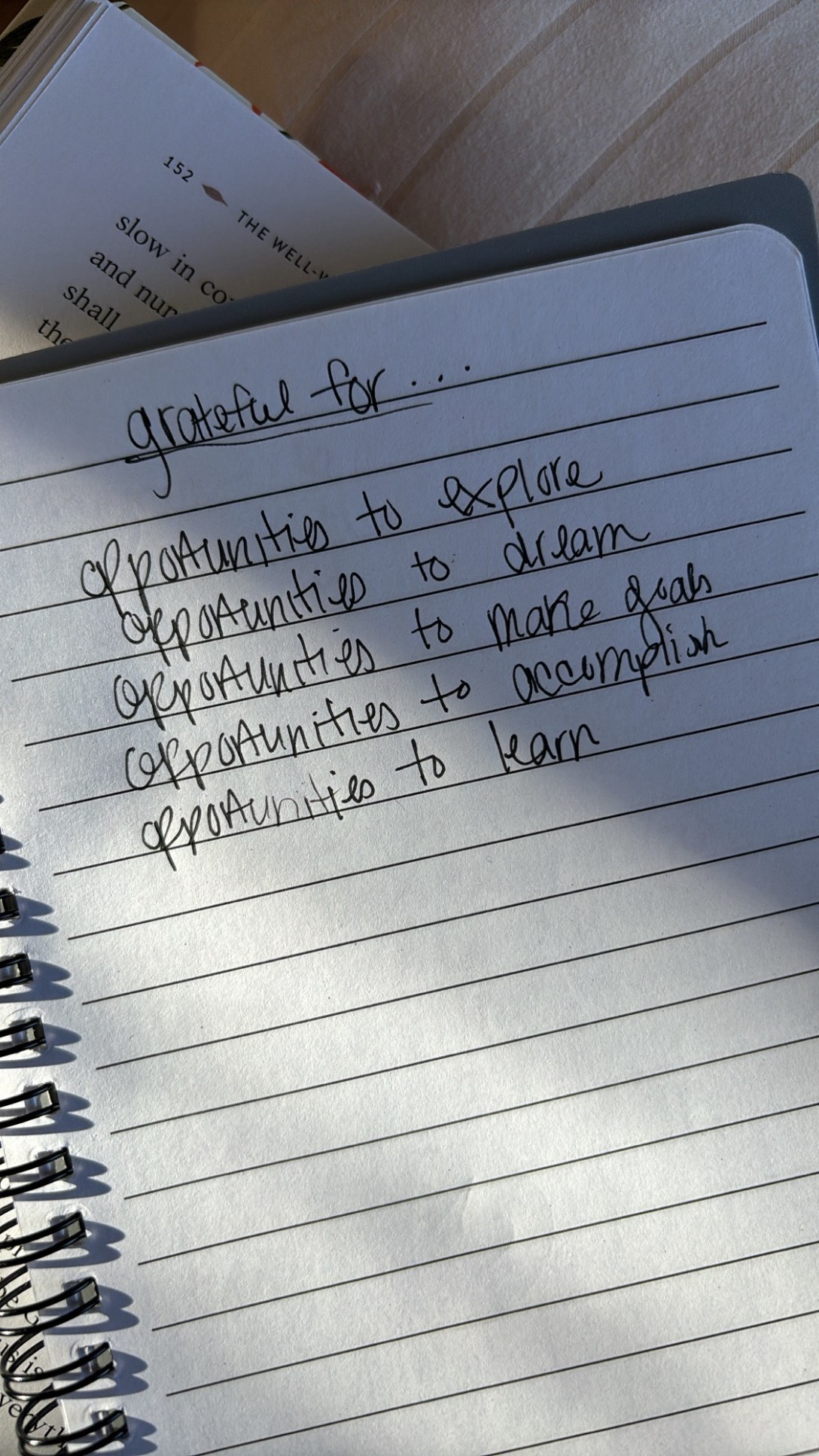
12. Create a gratitude list and reflect on what you’re thankful for.

13. Have a picnic outside, surrounded by colorful fall leaves.

14. Go thrift shopping for cozy fall sweaters and scarves.

15. Collect leaves and create a fall craft or wreath.

16. Try a new fall-flavored coffee, tea, or hot chocolate.

17. Visit a haunted house or go on a ghost tour.

18. Start a fall-inspired book or reading list.

19. Create a fall playlist with your favorite cozy songs.

20. Stargaze on a clear, cool fall night wrapped in blankets.

October Goals 2024

This month the focus is on Self-Love 🤍

  1. Practice Self-Compassion: Be mindful of your inner dialogue. Whenever self-criticism creeps in, counter it with kind, understanding words. Treat yourself like you would a close friend.
  2. Celebrate Your Wins: No matter how small, acknowledge and celebrate your accomplishments regularly. Write them down at the end of each day to reinforce your self-worth.
  3. Set a “Me-Time” Ritual: Dedicate at least one day a week for uninterrupted “me time” to do whatever makes you feel recharged, whether it’s reading, relaxing, or engaging in a hobby.
  4. Forgive Yourself: Let go of past mistakes and imperfections. Acknowledge that you’re human and that your growth matters more than any misstep.
  5. Create a Self-Love Journal: Write daily or weekly about what you love about yourself, your strengths, and your qualities that make you unique. Revisit these pages whenever you need a boost.

Figure Out “YOUR TRUTH”

Figuring out your truth and what you genuinely want can be a deeply personal and ongoing journey. It’s not uncommon to feel clear about your desires, only to have them shaken when exposed to external influences, especially social media. Here are some steps that might help you ground yourself in your truth:

1. Create Space for Reflection

When life gets busy or overstimulating, it becomes hard to hear your inner voice. Setting aside regular, quiet moments for reflection—whether through journaling, meditation, or even walks in nature—can help you reconnect with your deeper self. In these moments, ask yourself:

• What feels authentic to me?

• What activities, people, or ideas make me feel alive?

• What do I naturally gravitate toward when I’m not comparing myself to others?

2. Listen to Your Body and Emotions

Your body often holds the key to your truth. Pay attention to how you physically and emotionally react to different ideas, situations, or possibilities. When something aligns with your truth, you may feel lighter, energized, or excited. When something is out of alignment, you might feel heavy, tense, or anxious. Trust those signals.

3. Limit External Noise

Social media can easily cloud your perception of yourself, as it constantly exposes you to the lives and opinions of others. You might see what others have or desire, and it can create doubt or envy. Consider setting boundaries with how much time you spend on social media. When you do engage, practice mindful consumption: ask yourself why a certain post affects you and whether it aligns with what you value.

4. Define Your Core Values

Knowing your core values is essential in figuring out your truth. Ask yourself:

• What are the non-negotiables in my life?

• What principles do I live by, regardless of what others are doing?

Once you’ve defined these values, check in with them regularly to see if your desires and goals align with them. This helps you stay true to yourself even when external influences are strong.

5. Embrace the Fluidity of Your Desires

It’s okay for your wants and desires to change over time. Sometimes we fear that changing our minds means we don’t know ourselves, but growth often brings new perspectives. Give yourself permission to evolve, and trust that each phase is part of discovering your deeper truth.

6. Differentiate Between Ego Desires and Soul Desires

Ego desires often come from a place of external validation, comparison, or fear of missing out (FOMO). Soul desires, on the other hand, tend to be quieter but more persistent. They resonate with your deeper purpose and bring a sense of peace or fulfillment. When considering what you want, ask yourself:

• Am I wanting this because it feels true to me, or because it’s what I think I should want?

• Does this desire nourish my spirit, or does it come from seeking approval or fitting in?

7. Trust Yourself

Even though social media and external influences can be overwhelming, your inner compass is still there. Trust that you have the wisdom to discern what feels right for you. When in doubt, return to practices that ground you—yoga, meditation, or connecting with nature—and let that stillness help you reconnect to your truth.

Your journey of finding your truth might be connected to your self-care and yoga practices, allowing you to tune into your inner wisdom beyond the noise. Social media can offer inspiration, but your deepest answers lie within.

HEALING Is What I Really Want To Do

List three jobs you’d consider pursuing if money didn’t matter.

Well, I really want to help and heal people. Mind, body, and spirit kind of healing. I believe in the connection.

It’s such a miraculous and beautiful thing and I want to bring that awareness to the surface.

I would love to host yoga classes focusing more so on women, children, and mothers.

Perform sound baths, self-love workshops, have my own studio where people feel safe and comfortable being themselves.

How I would love to have many books too. All sorts of books!

And maybe one day I will……who knows.

8 Benefits to MINDFUL BREATHING

1. Reduces Stress and Anxiety: Mindful breathing activates the parasympathetic nervous system, calming the body and lowering stress hormones like cortisol.

2. Enhances Focus and Clarity: By focusing on your breath, you quiet the mind and improve concentration, making it easier to stay present and focused.

3. Improves Emotional Regulation: It helps you respond to emotions with awareness, giving you more control over your reactions instead of being overwhelmed.

4. Lowers Blood Pressure: Slow, deep breathing can help lower blood pressure by relaxing the blood vessels and improving circulation.

5. Boosts Self-Awareness: It increases awareness of your thoughts, emotions, and physical sensations, promoting a deeper connection with yourself.

6. Supports Better Sleep: Practicing mindful breathing before bed can calm the mind and body, making it easier to fall asleep and enjoy restful sleep.

7. Increases Energy Levels: Deep breathing improves oxygen intake, which helps energize the body and mind, leaving you feeling refreshed.

8. Promotes Mind-Body Connection: It fosters a stronger connection between your physical sensations and mental state, which can lead to greater overall well-being.

Mindful breathing is simple yet powerful—regular practice can bring profound benefits for both mental and physical health.

Why Is Learning To LOVE OURSELVES So Hard

Learning how to love ourselves can be challenging for several reasons, often tied to deeply rooted beliefs, societal influences, and personal experiences. Here are some of the key reasons why self-love can be so difficult:

1. Cultural and Societal Conditioning

• Many societies emphasize external validation and achievement, leading us to base our self-worth on how others perceive us or on meeting certain societal standards. This can create a sense that our value is conditional, making it hard to truly love ourselves unconditionally.

2. Negative Self-Talk and Inner Critic

• We often have an internal dialogue that’s far harsher than how we speak to others. This inner critic, fueled by past experiences or insecurities, can make us focus on our perceived flaws, failures, or inadequacies, overshadowing our strengths and worthiness.

3. Unresolved Past Trauma

• Experiences of trauma, rejection, or abandonment—especially in childhood—can deeply affect our ability to love ourselves. These experiences can create deep-seated beliefs that we are unworthy of love or that we have to earn it through certain behaviors or achievements.

4. Fear of Egoism or Narcissism

• Many people fear that loving themselves will come across as selfish or narcissistic. There’s often a misunderstanding between healthy self-love and egoism, leading some to suppress their self-appreciation to avoid being perceived negatively by others.

5. Comparison Culture

• With the rise of social media, comparing ourselves to others has become even more pervasive. Constant exposure to idealized images and lifestyles can lead to feelings of inadequacy, making it harder to appreciate and love ourselves as we are.

6. Conditioned Beliefs About Worthiness

• From a young age, many of us are conditioned to believe that love and worthiness must be earned through good behavior, success, or pleasing others. These beliefs can make us feel that we are only worthy of love under certain conditions, which complicates the journey to self-love.

7. Fear of Vulnerability

• Truly loving ourselves requires facing and accepting our vulnerabilities, imperfections, and past mistakes. This process can be uncomfortable and scary, as it involves confronting aspects of ourselves that we may have avoided or denied for a long time.

8. Lack of Role Models

• If we didn’t grow up seeing examples of healthy self-love, it can be difficult to know what that even looks like. Without role models who practice self-love, we might struggle to develop it ourselves.

9. Overemphasis on External Achievement

• Society often prioritizes success, productivity, and external accomplishments over inner well-being. This focus can lead us to seek validation from achievements rather than from within, making it harder to develop a sense of self-love that isn’t tied to external outcomes.

10. Difficulty in Accepting Ourselves as We Are

• We are often our own worst critics. Accepting ourselves with all our flaws, imperfections, and mistakes can be challenging, especially when we hold ourselves to unrealistic standards of perfection.

11. Deep-Seated Guilt or Shame

• Guilt and shame, often stemming from past actions or internalized beliefs, can block self-love. These emotions can be powerful and difficult to overcome, making it challenging to feel deserving of love and compassion.

12. Need for External Validation

• We often seek validation and love from others, which can become a substitute for self-love. When we rely too heavily on others for our sense of worth, it becomes difficult to cultivate an internal sense of self-love.

13. Complexity of Self-Discovery

• Self-love requires self-awareness and understanding, which involves delving into our true selves, including our desires, needs, and values. This journey of self-discovery can be complex and uncomfortable, making self-love harder to achieve.

14. Societal Norms Around Self-Sacrifice

• Many cultures glorify self-sacrifice, especially in roles like parenting or caregiving, where putting others’ needs before your own is often expected. This can lead to neglecting self-care and self-love, as it’s seen as less important than caring for others.

Learning to love ourselves is a journey that requires patience, self-compassion, and often unlearning old beliefs and patterns. It’s a process of gradually building a healthier relationship with ourselves, where we can appreciate our own worth, embrace our flaws, and treat ourselves with the kindness and understanding we deserve.

How Can I Become A MINIMALIST

Becoming a minimalist is about simplifying your life, focusing on what truly matters, and reducing excess. Here’s a step-by-step guide to help you get started:

1. Define Your “Why”

• Clarify Your Motivation: Understand why you want to embrace minimalism. Whether it’s reducing stress, saving money, or creating more time for what you love, having a clear purpose will keep you motivated.

2. Start Small

• Declutter: Begin with one area, like a drawer, closet, or room. Sort items into categories: keep, donate, sell, or discard.

• Digital Declutter: Organize your digital life by clearing out unnecessary files, emails, and apps.

3. Adopt the “One In, One Out” Rule

• Balance Your Possessions: For every new item you bring into your home, let go of an old one to maintain balance and avoid clutter.

4. Prioritize Quality Over Quantity

• Invest in Essentials: Choose high-quality, versatile items that serve multiple purposes or have a long lifespan.

5. Simplify Your Schedule

• Focus on Priorities: Eliminate activities or commitments that don’t align with your goals or values. Free up time for what truly matters.

6. Practice Mindful Consumption

• Intentional Buying: Before purchasing anything new, ask yourself if it truly adds value to your life or if it’s just an impulse.

7. Let Go of Sentimental Items

• Keep the Memories, Not the Items: It can be challenging, but try to keep only those items that truly hold meaning. Consider taking photos of sentimental objects before letting them go.

8. Embrace Simple Living

• Focus on Experiences: Shift your focus from acquiring things to creating meaningful experiences.

9. Create a Capsule Wardrobe

• Simplify Clothing Choices: Curate a small collection of versatile, mix-and-match clothing that you love and wear regularly.

10. Review Regularly

• Evaluate Your Progress: Periodically review your possessions and commitments to ensure they align with your minimalist goals.

Minimalism is a personal journey, so take it at your own pace and customize it to fit your lifestyle and values.