I don’t have much of an opinion whether a person chooses to or chooses not to eat meat.
What I do have an opinion about is how meat is treated.
There are many indigenous communities out there who honor the animal before the animal is then sacrificed. This is worth reading about if you’ve never heard of this before.
I believe I read somewhere that the Buffalo is especially sacred. And every part of the buffalo is used in someway.
I can appreciate that there is thanks and respect given to the animal before it is consumed.
I wish that practice was implemented vs. the sad truth.
Imagine if we were more open to letting the indigenous teach us their ways. Maybe there wouldn’t be so much controversy when it comes to meat.
What’s the hardest decision you’ve ever had to make? Why?
I don’t know if this was the hardest decision I’ve ever made, but it was definitely a difficult one that I’ll share.
About eight years ago, I was driving home from the mall with my 10-month-old daughter when I got a frantic call from my sister-in-law. She was yelling, “They’re taking her away from me! Can you please come get her?”
I called my husband right after, and he told me, “Just go home. Don’t get involved in this.” For a moment, I hesitated, unsure of what to do. But then I turned the car around and headed toward her.
When I got to the house, the police and child protective services were there. They were, in fact, taking her one-year-old daughter away.
Before I fully understood what was happening, they brought the baby out, handed me a business card, and said, “Follow us.”
I drove to their office, and my husband joined me later. At that point, we had no idea where my sister-in-law’s daughter was or what would happen next.
A social worker sat us down and tried to convince us that we didn’t need to take the baby, saying, “There are plenty of families who can care for her.”
But my husband and I both knew, without needing to say much, that if we decided to take her, she wouldn’t just be a temporary responsibility. She would become ours.
Still, we were overwhelmed. We were brand-new parents with a 10-month-old. Could we handle suddenly raising a one-year-old, too? We asked for a little time to think about it, but deep down, we knew this was a decision we couldn’t put off.
We told them we couldn’t do it. We asked if we could at least say goodbye.
When they brought her in, I looked at her little face and started crying. I turned to my husband and said, “We’re taking her.”
The road ahead was long and hard, but it was absolutely worth it. She’s with family where she belongs, and now she’s eight years old, missing teeth and full of life.
I have a good relationship with my sister-in-law today, and everything feels as it should be.
Looking back, I’m so thankful we chose to take her. In fact, we now have one of her sons with us, too—he’s two years old. This time, having been through it before, the decision wasn’t hard.
It hasn’t been easy, but the right choice rarely is. And yet, it’s always rewarding
I have a very difficult time being around people who are constantly negative or complain a lot. Their energy is draining, and it brings me down to the point where I just can’t be around it. Life has enough challenges, I’d rather focus on solutions and positivity.
2. Lack of Eye Contact When Talking
It really bothers me when I’m sharing a story or expressing something, and the other person isn’t giving me eye contact. When their eyes start wandering around the room, it feels like what I’m saying doesn’t matter. At that point, I usually just stop talking, it’s clear they’re not engaged or interested.
3. Superior Attitudes
I can’t stand when people act superior—whether it’s through gossip, putting others down, or looking down on someone. It’s often in their tone, facial expressions, or comments, and I can just tell. That kind of attitude is a major turn-off for me.
The stars are different in the mountains, especially when you’re surrounded by towering pine trees.
It feels like you’re gazing at the stars through a magnifying glass—brighter, closer, and more alive. They mesmerize you, reminding you of what it feels like to be small in the vastness of it all.
The mystery of life feels more profound in the mountains.
The beach might be a getaway, but the mountains? They’re for growth and personal discovery.
“Powerful writings are burned like a brand into the collective consciousness of a culture, even if very few people take the time to read those writings.” – Burke Hedges
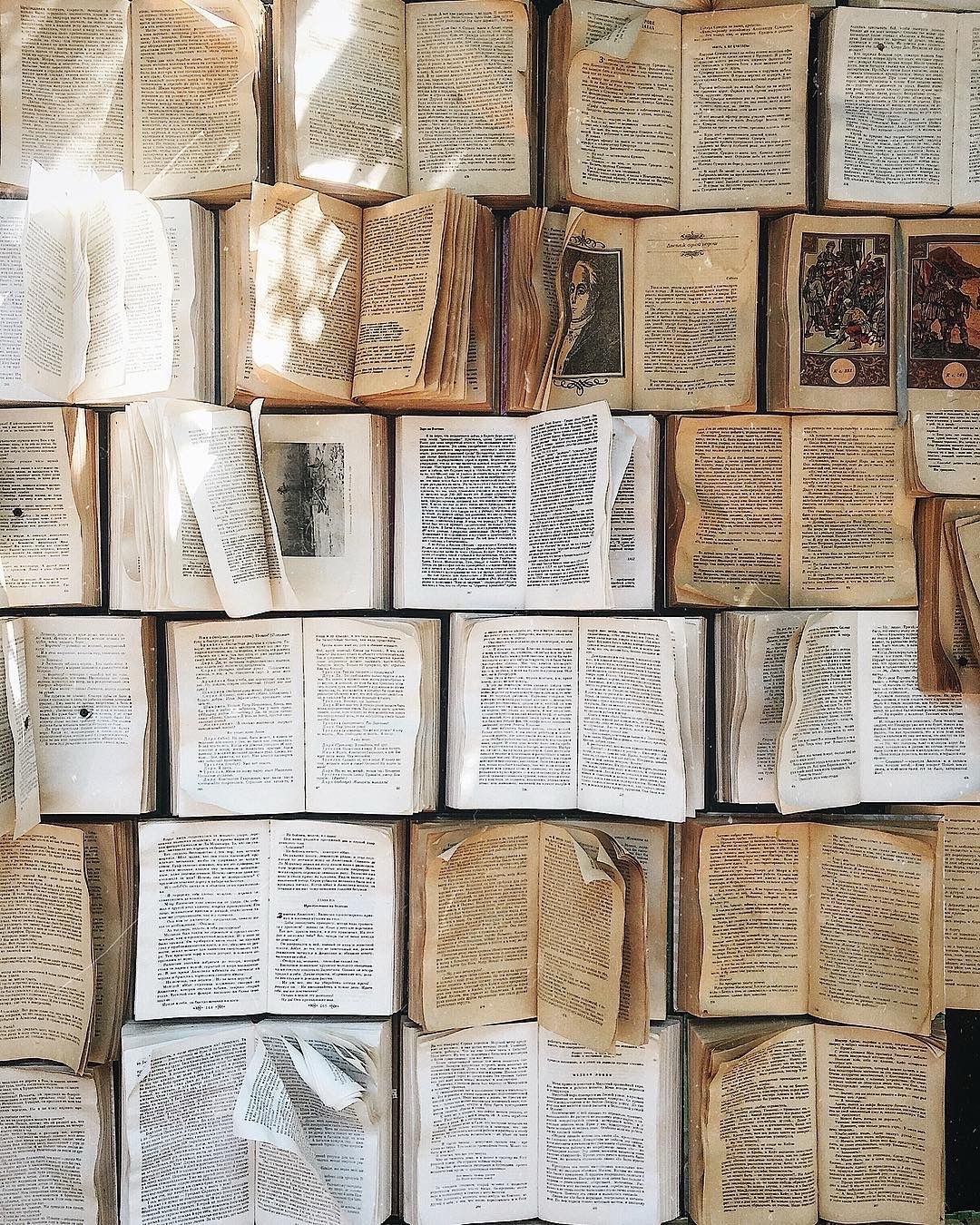
Reading is transformative. It has been said, “reading is to the mind what exercise is to the body,” and I couldn’t agree more. There’s something magical about seeing someone engrossed in a book or having a conversation with someone who loves to read.
Books have shaped me in countless ways, and I often wonder who I would be without them. I’m endlessly grateful for the courage of writers who share their stories, perspectives, journeys, imaginations, and philosophies with the world. Through their words, we gain insight into the beauty and complexity of being human.
What strikes me most about reading is how it bridges our differences. While we all have unique experiences, books reveal how deeply connected we are. They remind us that, at our core, we share the same struggles, joys, and desires. Reading doesn’t just expand our knowledge—it strengthens our empathy and helps us see ourselves in one another.
So, pick up a book. Let it challenge you, inspire you, or simply comfort you. Reading is more than a pastime; it’s a gateway to understanding and connection.
I feel too often I unfortunately second guess myself. And then I learn the hard way or whatever it is just takes longer than what it possibly could have been.
But then again, I trust myself the next time I feel that feeling.
I feel like our instincts are becoming harder to understand and recognize because of all the stimulations and distractions.
It’s becoming more noisy and chaotic—this world we live. We’re loosing touch of these gifts.
Our instincts aren’t quick enough for us.
We begin to rely on other resources, than the actual gift of instincts that each of us humans possess.
You notice with age we seem to always be in a rush. And for what? Why are us grown-ups always rushing? It’s like we think something catastrophic will happen if we’re “not on time.” We’re so consumed with getting to the next thing that we barely savor where we are.
For a while, I kept catching myself saying, “real fast.”
“Let me do the dishes real fast.”
“I gotta go to the bathroom real fast.”
“Let me make this call real fast.”
“Let me eat this real fast.”
Why? Why am I rushing everything “real fast” all the time? It’s like I was stuck in a loop—accomplish one task, move to the next, repeat. We have so much to do, but are we really living while we do it?
The truth is, we lack patience. How do you truly embrace and enjoy the ending of a book, a movie, or a show if you just skipped through the whole thing? Life is the same way. It’s an experience meant to be lived fully, not hurried through. The so-called “boring parts” or long highways of life are what make the destination that much sweeter.
So take your time. Let the journey unfold naturally. It’s not about how quickly you get there; it’s about how much of the road you let yourself feel along the way.
What’s the first impression you want to give people?
Hmm….how do I say this without sounding vain.
I want people that meet me to feel a type of magnetic pull. A positive one of course.
Like, have you ever met someone where you are just drawn to them instantly. It’s their energy. It undoubtedly is magnetic!
It’s uplifting, warm, fun, contagious. Like, you want to be their friend because they make you feel something! Or maybe they say something…….they make you ponder. I love people like that.
This is the kind of impression I would love to leave with people.
Truthfully I don’t know that I’m that energy, but this is a type of first impression I would want.
If you could live anywhere in the world, where would it be?
If I decided to move just for scenic views I feel eventually I’d become very lonely.
I’ve moved around numerous times, and most of my moves were not my choice.
When I was younger my mother was married to a man in the military. I went to 4 schools in the 4th grade. I even had to move my senior year of high school!
I craved a home. I craved stability.
Where I live now I’ve been here for almost 20 years! That’s so wild to me.
Not in the same exact home but same area you could say.
I especially love where I live now. On some land, in the suburbs with my beautiful family.
But what’s most important is the not scenery. It’s family, friends, and community. One hundred percent.
Would it be amazing to live near the ocean or on the river or by a lake…. YES! Absolutely!
But what’s good with that scenario if you don’t have anyone close to share it with.
If you’ve got family near you, great friendships, and an amazing community then I believe where you live may be someplace you actually want to be.
And if none of that is near you, then go back to that. Go back.
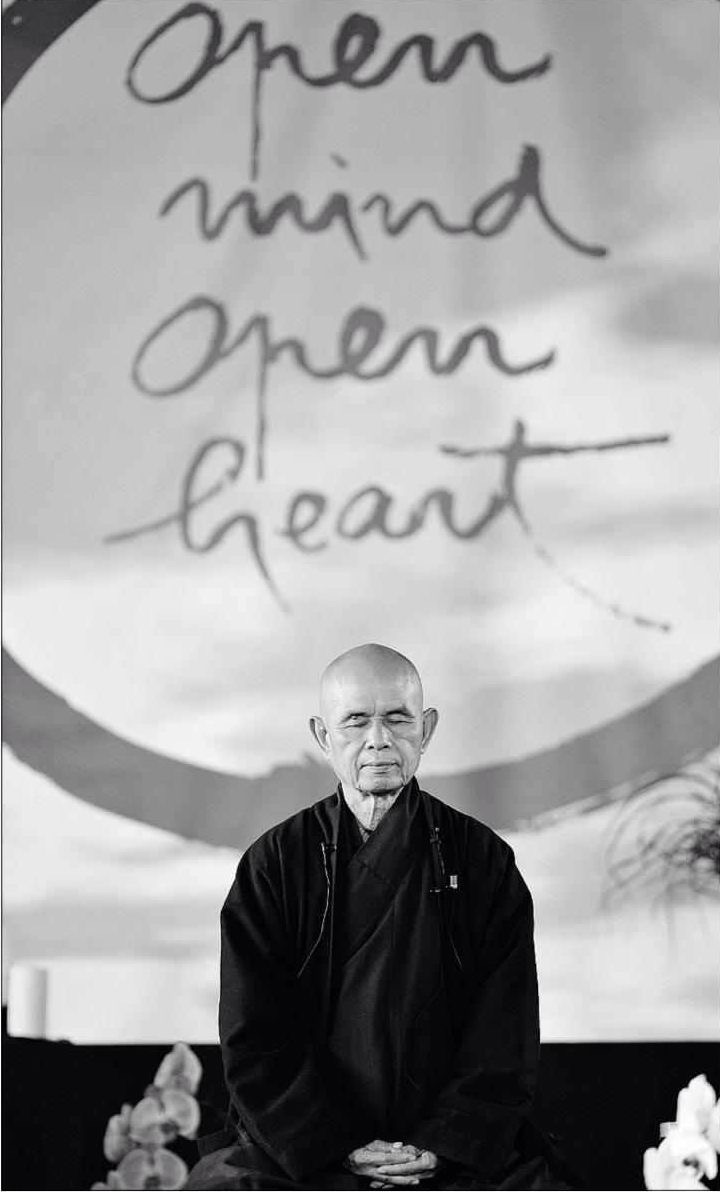
“The Buddha offered this wonderful image. If you take a handful of salt and pour it into a small bowl of water, the water in the bowl will be too salty to drink. But if you pour the same amount of salt into a large river, people will still be able to drink the river’s water…….because of its immensity, the river has the capacity to receive and transform. The river doesn’t suffer at all because of a handful of salt. If your heart is small, one unjust word or act will make you suffer. But if your heart is large, if you have understanding and compassion, that word or deed will not have the power to make you suffer.” – The Heart of the Buddha’s Teaching by @thichnhathanhsangha
This teaching reminds us that expanding our hearts, like widening a river, can help us navigate life with greater resilience. When our hearts are small, we feel every slight, and even small challenges can overwhelm us. But as we grow in compassion and understanding, we become capable of holding much more—our hearts become like that vast river. Life will always add “salt” in the form of difficulties or unkind words, but with a heart that’s expansive and compassionate, we can absorb these moments without letting them take away our peace. So let’s strive to cultivate a heart as open and vast as a river, one that can receive, transform, and keep flowing, no matter what comes its way.