Less Stuff, More Meaning

Baby steps. One simple way to alleviate stress in your life while also increasing peace of mind is by letting go of stuff. We hold onto things for many reasons without realizing how heavy that “stuff” can be—not just in our homes, but in our hearts. Becoming more mindful of what you buy and why you keep what you already have is the first step to moving forward.

It’s not always easy. But if you work toward building the habit of asking, “Is this a need or a want?” every time you’re tempted to purchase something, you’ll become more conscious of your spending habits. Go a step further and ask, “What’s the meaning behind this purchase?” When you start connecting purchases to purpose, you shift from acquiring more to surrounding yourself with what matters most.

While decluttering, ask yourself a similar question: “Why is this so hard for me to let go of?” Often, it’s because the item holds sentimental value. I’ll admit—I had a baby walker that I had a very difficult time parting with. If I saw it at a thrift store, I wouldn’t think twice about leaving it behind. But this one taught all my girls how to walk. It’s not just an object—it’s a memory.

Take your time. If letting go of something feels like too much, move on to the next item. Decluttering doesn’t need to happen all at once, and you’ll find that the process becomes lighter and more natural as you go. When the time does come to release something, remember this: when you give it away, you’re sharing its meaning and purpose with someone new.

The magic of decluttering is that it gives more space for the things that truly matter to shine. When you remove the excess, what’s left stands out. Surround yourself with stories, not just “good deals.”

Imagine walking into a home where everything you see holds meaning, tells a story, or serves a purpose. How much lighter would your heart feel? How much freer would your mind be? Letting go isn’t just about what you remove—it’s about what you make room for.

and it just feels good when you get rid of things…….would you agree?

The Memory Of A Strangers Care

Have you ever wondered who remembers you—and why? I often think about the strangers who remain vivid in my mind, sometimes for the smallest, most random moments. You never know how a single encounter might linger in someone’s life—or how you might have touched theirs.

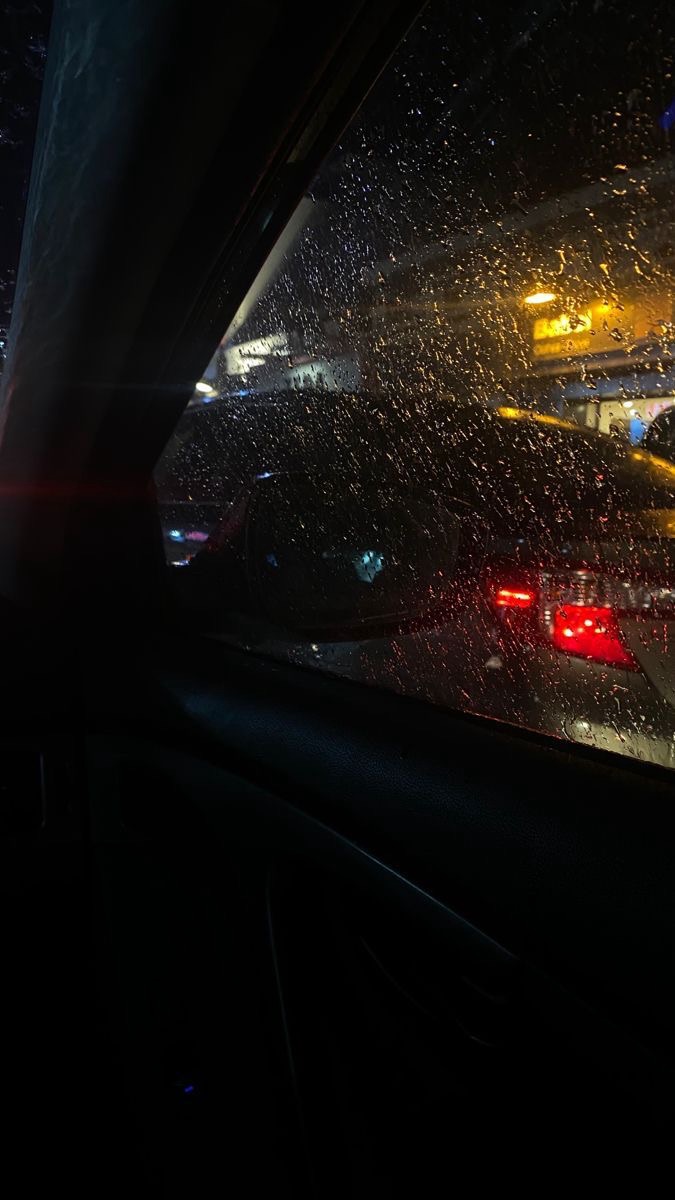
There’s one memory I carry with me that I still wonder about, even now, nearly twenty years later. It was nighttime, and I was crying in my car—not bawling, but tears were quietly streaming down my face. I pulled up to a red light and glanced out the window. In the car next to me, a stranger looked back. His face was filled with genuine concern as he mouthed, “Are you okay?”

I nodded, assuring him I was fine, even though I wasn’t. The light turned green, and just like that, the moment ended.

What I noticed after I drove away was that I had been seen. This stranger didn’t just glance over; he noticed me. He waited for me to meet his eyes before silently asking if I was okay. Even now, as I write this, I’m thinking about him. I can’t remember what he looked like, but I’ll never forget the care in his expression.

It makes me realize how much people care—sometimes even without knowing us. When we see someone hurting, we feel it too. Empathy can be immediate and unspoken.

I’ve always believed that if I had shaken my head, if I had signaled that I wasn’t okay, this person would have followed me or stopped to help. That’s the depth of concern I felt in that fleeting moment.

For the record, I remember why I was crying that night—I had just had a fight with my boyfriend. But what stayed with me wasn’t the fight or the tears. It was the stranger’s compassion, so simple yet profound.

Sometimes, I wonder if he remembers me—the girl crying in the car at a red light. Maybe he doesn’t. But the fact that he cared enough to check on me is something I’ll always carry.

Some memories stay with us because they make us feel something. And those feelings—those moments of connection—can’t be erased.

Even Pricks Can Bloom

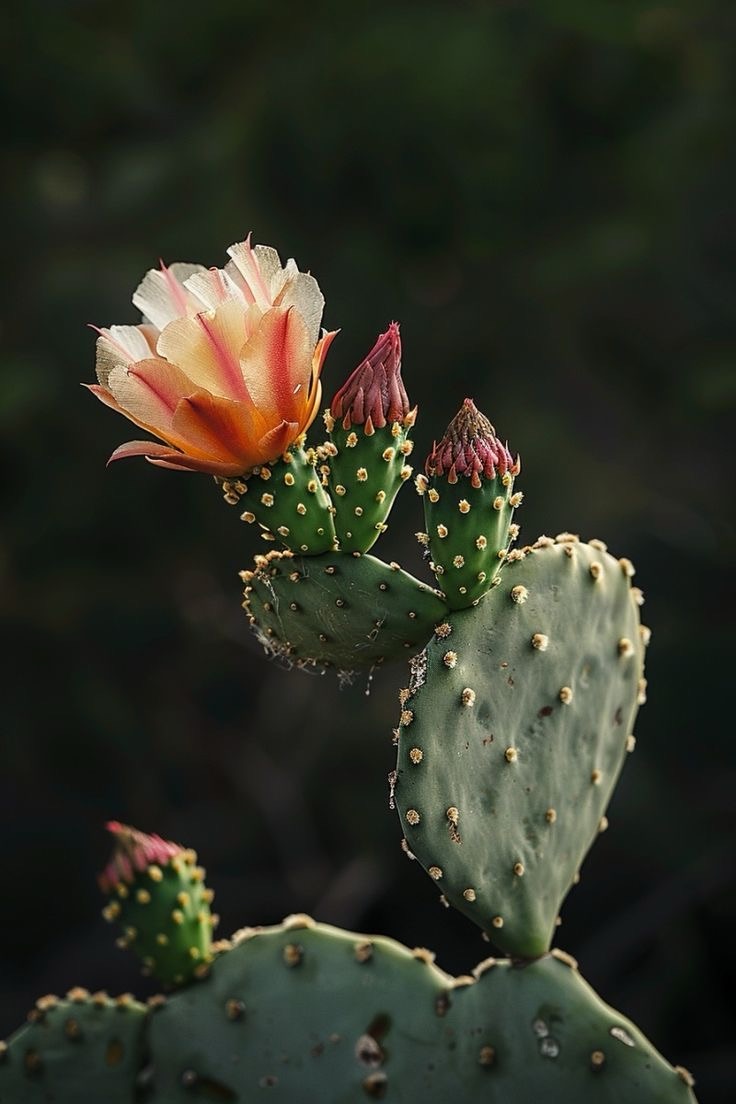
Living in Arizona, it’s impossible to ignore the cacti. Covered in spines, they seem like nature’s way of saying, “Keep your distance.” One wrong step or touch, and you’re left with a sharp reminder of their defenses.

But then spring arrives, and something remarkable happens. These same prickly plants burst into bloom, producing flowers so vibrant and delicate they draw hummingbirds and bees. The transformation is stunning, but fleeting—many blooms last only a short time. Their beauty, though brief, reminds us to savor life’s unexpected moments.

As I admired these cactus flowers one day, a humorous thought popped into my mind: “Even a prick can bloom.”

It’s funny, but also deeply true. Some people, like cacti, can be harsh and sharp. They may come across as difficult or unkind, seemingly existing only to push others away. But just like the cactus in winter, these people might be in a season where their beauty and potential aren’t visible yet.

In life, we often encounter “pricks.” They might frustrate or hurt us, but if we look closer—or simply wait—we might see a different side to them. People, like cacti, have their seasons. Winter is a time of dormancy, where growth happens beneath the surface. Spring, however, is when that growth bursts forth, revealing something beautiful.

The lesson? Try not to judge someone solely by the season you meet them in. The person who seems harsh today might surprise you with their ability to bloom when the time is right.

A cactus doesn’t bloom all year, and neither do we. But when the right season comes, even the most prickly among us can grow into something beautiful. So the next time you encounter someone sharp or difficult, remind yourself of this:

Even pricks can bloom.

Riding the Wind, Swimming the Current

There’s a series I once watched called The Story of God with Morgan Freeman, and there was a quote that stayed with me:

“Birds don’t fly; they ride the wind. Fish don’t swim; they are carried by the water.”

This view is as much about perspective as it is about surrender. It’s poetic, beautiful, and invites reflection.

Have you ever been in a river? The current flows in one direction, and if you try to fight it—swimming upstream—you’ll exhaust yourself and get nowhere. There are moments in life that feel just like this, aren’t there? Times when we push against the current, believing we can change its course, only to find that some things are immovable forces.

The truth is, life has many rivers. Some are worth navigating and working with, while others require us to simply let go. Surrendering isn’t giving up; it’s recognizing when resistance is only causing unnecessary suffering. But how do we know the difference? How do we identify what is a “river” in our lives—the things we cannot control? That’s the hard part.

It takes time, self-awareness, and a willingness to step back from our struggles to see the bigger picture. Sometimes we need to ask ourselves: Am I exhausting myself trying to fight something that just is? And if so, what could happen if I surrendered, trusting the current to carry me?

When I think about the quote, I wonder: do birds actually fly? Do fish truly swim? Or have they simply surrendered to what they are—to their nature—and found harmony within it?

What if we did the same? What if we embraced our own nature, allowing life’s wind and water to guide us instead of resisting them? What if we trusted the flow?

By shifting our perspective, we begin to see the beauty of surrender—not as a defeat, but as an act of profound wisdom. We let go of the need to control and, in doing so, free ourselves to move more fluidly with life.

After all, some of life’s greatest joys aren’t found by fighting the current but by letting it take us somewhere new.

Everyone Has A Story

Sometimes we believe we know a person by the way they act or live their life. We make assumptions. We examine their choices and decisions. We jump to conclusions, and we can become quick to judge.

It’s easy to see someone and decide there’s no connection to be made. But life has a way of humbling us, doesn’t it? Suddenly, we’re faced with their truth, their story, and we realize how wrong we were to think we understood them without ever really knowing them.

What connects us are our stories and experiences. But to truly connect, we must have ears of compassion. We must be willing to listen. We must want to understand.

How often do you long to be understood and seen? Everyone does.

I know that feeling deeply. Growing up as an adoptee, I never felt truly seen. I felt alone and isolated, and nobody knew it—partly because I never shared it. I had no biological family. I carried so many questions that nobody could answer, and none of this was ever discussed. For years, I bore that weight in silence.

We just never know what others hold inside.

It wasn’t until I became a mother in my mid-twenties that I began to heal and acknowledge the wounds I had carried for so long. Being a mother gave me a connection I had never felt before, and it helped me begin to see and understand myself in ways I couldn’t before.

The truth is, we’re all reflections of one another. And those reflections, if we look deeper, aren’t like staring into a mirror. They’re like reaching into the ocean. The surface may shimmer, but there is depth—depth filled with stories, struggles, and experiences waiting to be understood.

We all have a story. Take the time to listen, and you’ll be amazed at what you find.

Behind Courage Is Fear

Everyone has fears. They act as roadblocks, and you can either let them stop you or find another way forward. Fear is natural—it’s a part of being human—but it doesn’t have to control you. Instead, embrace it as an open door leading to new journeys and opportunities. Bravery is born through fear. Be brave.

The power lies in your perspective.

There’s a poem by Erin Hanson:

There is freedom waiting for you,

On the breezes of the sky,

And you ask, ‘What if I fall?’

Oh but my darling,

What if you fly?”

At first glance, it’s a simple poem you might have heard before, but sometimes the meaning doesn’t fully sink in until the right moment. These words remind us that fear often speaks louder than possibility, yet it’s possibility that holds the key to our growth.

Let’s say you want to try something new. Before you even begin, you’re already anticipating the worst. “What if it’s a waste of time? What if I fail?” That mindset keeps you frozen in place, holding you back from something that could change your life. But what if it isn’t? What if you take the leap and find yourself soaring? You’ll never know unless you try.

Not long ago, I was talking to my mom, and I asked her, “Mom, how are you so brave?” Motherhood scared me at the time—the responsibility, the unknown, the fear of not being enough. Her response surprised me. She laughed and said, “That’s the same question I asked my mom.” It reminded me that courage doesn’t mean the absence of fear. It means moving forward despite it.

The truth is, we’re all afraid sometimes, but we each have the power to strengthen our courage muscle. And we can’t give up on it because bravery isn’t just about us—it’s about the light we create for others. I believe that when we choose courage, everything around us begins to glow in a way. We become a light in someone else’s darkness, and that light can make all the difference.

So the next time fear whispers, “What if I fall?”—ask yourself instead, “What if I fly?” Take the leap. Be the light. And watch how the world around you begins to glow.

Comparison Is The Thief Of Joy

Albert Einstein once said, “If you judge a fish by its ability to climb a tree, it will live its whole life believing that it is stupid.” How often do we judge ourselves—or others—by the wrong standards?

How often do we believe we should climb a tree when we’re meant to swim?

See yourself for who you truly are. Explore the journey of self-discovery. How else do we grow?

The truth is, each of us is our own. You can’t compare your growth to someone else’s. You are not meant to be them, and they are not meant to be you. Some people thrive in the spotlight, sharing their lives boldly for all to see, while others find their strength in private moments, nurturing their growth quietly. Neither is wrong. Both are necessary.

It’s easy to get caught up in the comparison game, measuring ourselves against someone else’s timeline, achievements, or personality. But just as every flower blooms in its own time and place, so do we. The garden of life is vibrant because of its variety, not its uniformity.

If we think about flowers for a moment: some stretch tall toward the sun, like sunflowers basking boldly in the light. Others bloom quietly in the shade, like lilies of the valley, hidden yet exquisite in their own way. And then there are flowers like the rare corpse flower, which might take years—sometimes decades—before it reveals its unique bloom.

Instead of judging or comparing yourself, embrace who you are and the unique way you are growing. Your purpose isn’t to mimic another person’s path but to walk your own with authenticity. Trust that you are exactly where you need to be, and that your growth is unfolding as it should.

And remember: the same applies to others. Just as you wouldn’t expect a fish to climb a tree, don’t hold others to impossible or unfair expectations.

The world doesn’t need you to be like anyone else. It just needs you to be fully, beautifully, and unapologetically you.

The Freedom Of Forgiveness

Whatever is holding you back—whatever skeleton hides in your closet, guilty moment haunts you, or mistake chains you down—it’s time to let it go and forgive yourself. Whether it’s from 20 years ago, 5 years ago, or even just last week, release it. You are evolving every single day.

A butterfly doesn’t regret its mistakes as a caterpillar. It doesn’t dwell on what it could have done differently. Instead, it embraces its transformation and spreads its wings. The past no longer matters—it’s the now that counts. You’re not the same person you were then, so forgive yourself. Stop beating yourself up and move forward. Imperfection is part of being human, and mistakes are often our greatest teachers. Be thankful for those lessons, because they shape who you are today.

One of the biggest reasons you suffer is because you haven’t yet forgiven. You’re anchored to your past, and it’s time to cut the rope. The past cannot change, but you can. Take the pain you’ve carried for so long and turn it into something meaningful. Learn from it. Use it to grow. When you let go, you’re not just setting others free—you’re setting yourself free.

Forgiving yourself also opens the door to rekindling relationships, both with yourself and others. Nobody is perfect. What even is perfection? We can’t expect forgiveness from others if we’re not willing to forgive ourselves. Embrace where you are now. You’ve come so far, and you’re still growing.

Try this: Write down what you need to forgive yourself for. Acknowledge the lessons it taught you, then let it go. Write a letter of forgiveness to yourself or someone else, even if you never send it. Let those burdens leave your heart and make room for love and gratitude.

You are a miracle in progress. The past doesn’t define you; your actions now do. So step into the person you’re becoming—a person who forgives, grows, and shines brighter each day.

The Map and the Compass: A Journey of the Heart

When was the last time you admired a map—a tangible one? People don’t really use them anymore. We all rely on GPS. But if you have a physical map in your hands right now, you might feel a little overwhelmed.

Maps are wonderful tools, especially if you know where you’re going or what you want to find. But if you’re holding a map without a destination in mind, it can feel confusing, overwhelming, even useless. You might think, What’s the point of even having this map?

When you’re feeling lost, though, you pull out the compass. The compass doesn’t overwhelm you with details—it simply points you in the right direction. It guides you toward where you need to go.

To me, spiritual practices, traditions, and teachings are like maps. They can be rich with guidance and knowledge, and when you know where you’re going, they’re incredibly helpful. But if you’re unsure of your destination or disconnected from your inner truth, even these maps can leave you feeling lost, frustrated, or stuck.

The compass, though—that’s your heart. Just as a compass directs you toward your path, your heart provides the internal guidance you need. When you follow your heart, it always leads you to where you’re meant to be. Once you begin using the compass within, the maps of spiritual teachings—no matter their origin—start to make more sense. They show you landmarks to notice, lessons to embrace, and beauty to recognize along your journey.

Without your inner compass, you risk wandering aimlessly, hoping the map alone will solve everything. But when you tune into your heart, every map you encounter becomes a tool for growth. You start to see that all maps, in their own way, can teach you something valuable.

Maps no longer feel useless or overwhelming. They become companions on your journey, and you find gratitude for the paths they reveal.

Because the truth is, the compass and the map aren’t in competition—they’re partners. The compass gives you direction, and the map provides context. The heart points you toward your truth, and the wisdom from spiritual practices offers insights along the way. Together, they create a journey that’s both meaningful and uniquely yours.

So, next time you feel lost, remember to check in with your compass—your heart. It will guide you, and the maps you follow will become clearer and more meaningful.

Reading Is Power

“Powerful writings are burned like a brand into the collective consciousness of a culture, even if very few people take the time to read those writings.” – Burke Hedges

Reading is transformative. It has been said, “reading is to the mind what exercise is to the body,” and I couldn’t agree more. There’s something magical about seeing someone engrossed in a book or having a conversation with someone who loves to read.

Books have shaped me in countless ways, and I often wonder who I would be without them. I’m endlessly grateful for the courage of writers who share their stories, perspectives, journeys, imaginations, and philosophies with the world. Through their words, we gain insight into the beauty and complexity of being human.

What strikes me most about reading is how it bridges our differences. While we all have unique experiences, books reveal how deeply connected we are. They remind us that, at our core, we share the same struggles, joys, and desires. Reading doesn’t just expand our knowledge—it strengthens our empathy and helps us see ourselves in one another.

So, pick up a book. Let it challenge you, inspire you, or simply comfort you. Reading is more than a pastime; it’s a gateway to understanding and connection.